Sign up with Google
 Sign in with Zoho

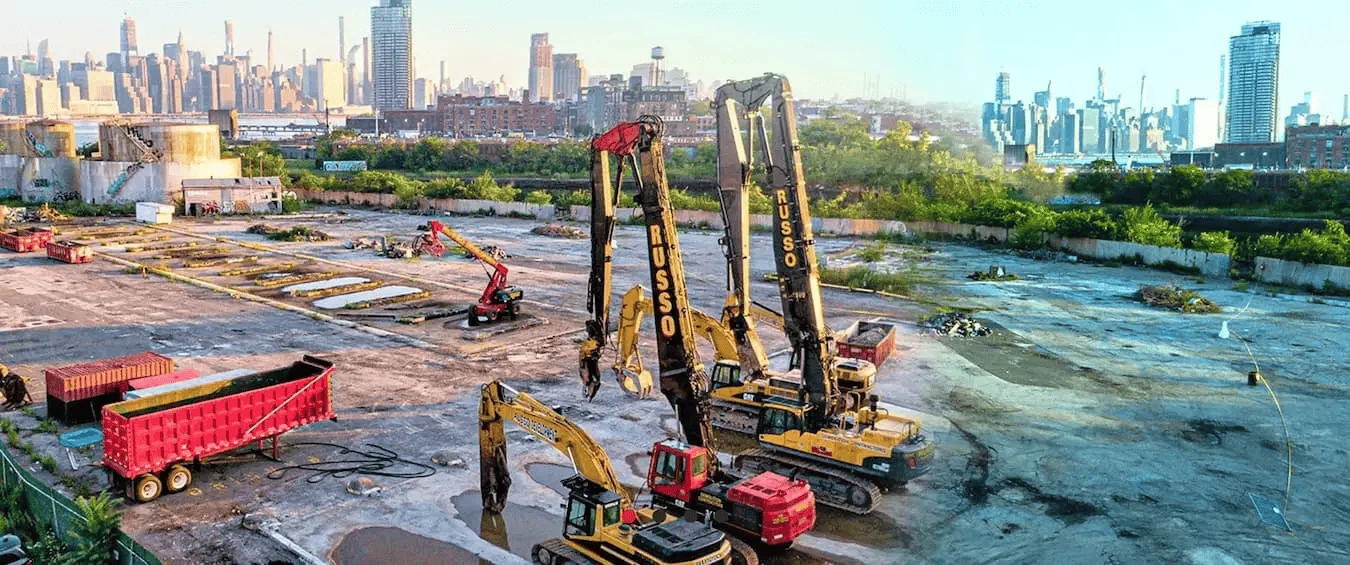
There's a particular kind of stress that hits when a construction or renovation project is winding down and you're staring at a pile of broken drywall, splintered wood, concrete chunks, and packaging waste with no clear plan for where any of it is going. The work is done — or almost done — but the site looks like a demolition zone, and suddenly the cleanup feels like its own separate project entirely.
If you're dealing with Construction Debris Removal Long Island, you already know that this region has its own set of rules, logistics, and local nuances that make the process more involved than simply calling a truck and loading everything up. This guide is meant to cut through the noise and give you a practical, no-fluff breakdown of how debris removal actually works — and how to make sure it doesn't become the most frustrating part of an otherwise successful project.
The Debris Problem Is Bigger Than It Looks
One of the most consistent surprises for homeowners and even some contractors is just how much waste a construction or renovation project generates. A standard kitchen remodel can produce anywhere from one to three tons of material — old cabinets, countertops, flooring, plumbing fixtures, drywall scraps, tile, and packaging from all the new materials going in. A roofing job on an average-sized house typically produces one to two tons of shingles alone.
When you scale up to commercial construction or a full gut renovation, the numbers get significantly larger. The point is that debris volume is almost always underestimated, and that underestimation leads to scrambling at the end of a project when timelines and budgets are already stretched thin.
Planning for debris removal from the beginning — not as an afterthought — is one of the simplest ways to avoid that scramble. Knowing what you'll have, how heavy it's likely to be, and how it needs to be handled changes the entire experience.
Why Material Type Matters More Than Volume
Not all construction debris is treated the same, and this is where a lot of people run into unexpected complications. The weight and composition of your waste determines not just the cost of removal but also where it can legally go.
Heavy materials like concrete, brick, asphalt, and tile are what's called "clean fill" in the industry — they're dense, inert, and often accepted at specific facilities at lower rates. But they're heavy. A single cubic yard of concrete can weigh close to two tons. If you're loading a container with nothing but concrete rubble, you'll hit weight limits far faster than you expect, which triggers overage fees that can significantly change your final bill.
Wood, drywall, and mixed construction waste fall into a different category. Some facilities accept mixed loads, others require separation. Certain types of drywall — particularly older material that may contain additives — can have specific disposal requirements depending on the county.
Hazardous materials are in a category entirely their own. Asbestos-containing materials, lead paint debris, certain adhesives, and some insulation types cannot go into a standard roll-off and cannot go to a general transfer station. They require licensed removal and specific disposal pathways. This isn't optional — it's a legal and safety requirement, and skipping it creates serious liability.
Navigating the Regional Landscape
Here's where location makes a real practical difference. If you're coordinating Construction Debris Removal NYC, you're working within one of the most regulated and logistically complex environments in the country. The five boroughs each have their own character in terms of how debris removal plays out on the ground.
In Manhattan, space is the defining challenge. Street permits for container placement are required through the Department of Transportation, and they come with restrictions on duration, placement zone, and sometimes time of day for delivery and pickup. Getting this wrong doesn't just inconvenience you — it can result in fines or forced removal of the container at your expense.
Brooklyn and Queens have more residential neighborhoods where container placement in driveways is more common, but street permits are still frequently needed. The Bronx and Staten Island tend to have slightly more flexibility in terms of space, but the permitting process still applies.
Across the boroughs, the types of debris generated in urban construction — older building materials, mixed commercial waste, renovation debris from pre-war buildings — often require more careful sorting and disposal planning than newer suburban construction.
The key takeaway for any NYC project is to work with a debris removal provider who knows the borough-level requirements and has established relationships with local disposal facilities. A provider without that knowledge will cost you more in time and complications than they save you on price.
The Cost Breakdown: What You're Actually Paying For
Debris removal pricing can feel opaque if you haven't done it before. Here's what typically goes into the number you're quoted:
Delivery and pickup fees cover the logistics of getting the container to your site and returning it to the facility. In dense urban areas, these costs are higher due to fuel, traffic, and the time involved in navigating city streets with a large truck.
Disposal fees are based on weight. Most providers charge by the ton once you exceed the included tonnage in your base rate. This is where knowing your material type in advance really pays off — you can sometimes separate heavy materials to take advantage of lower disposal rates at clean fill facilities.
Rental duration affects your total cost if your project runs longer than the standard period, typically seven to ten days. Day-rate overages are common and easy to overlook when you're focused on the project itself.
Permit fees, where applicable, may or may not be included in what a provider quotes you. Always ask explicitly, because a missing permit isn't just a cost issue — it's a project stoppage issue.
Practical Tips That Actually Help
A few things that make a consistent difference for anyone managing construction cleanup:
Keep debris separated when possible. Even a rough separation of heavy materials from light mixed waste can reduce your disposal costs meaningfully.
Don't wait until the project is done to book removal. Same-week availability gets tight during busy seasons, and some providers book out further than you'd expect. Schedule removal to overlap with your final project days so there's no gap between project completion and site clearance.
Take photos of the container when it's delivered and when it's loaded. This protects you if there's a dispute about condition, contents, or weight.
Ask about recycling. A growing number of regional facilities accept construction materials for recycling — wood, metal, clean concrete — which can reduce your disposal costs and is better for the environment. Not every provider offers this, but it's worth asking.
Be honest about what you're putting in the container. If you tell a provider it's general renovation waste and then load it with roofing shingles, you'll likely face weight overage charges. Accurate information upfront leads to accurate quotes.
Debris removal isn't the most exciting part of any construction project, but it's one of the parts that most directly affects how the job finishes. A clean site, cleared on schedule, without surprise fees or permit violations, is the difference between a project that ends well and one that drags on past its welcome.
Getting the removal piece right is simpler than it sounds — it just requires a little planning and the right partner who knows this region.