Sign up with Google
 Sign in with Zoho

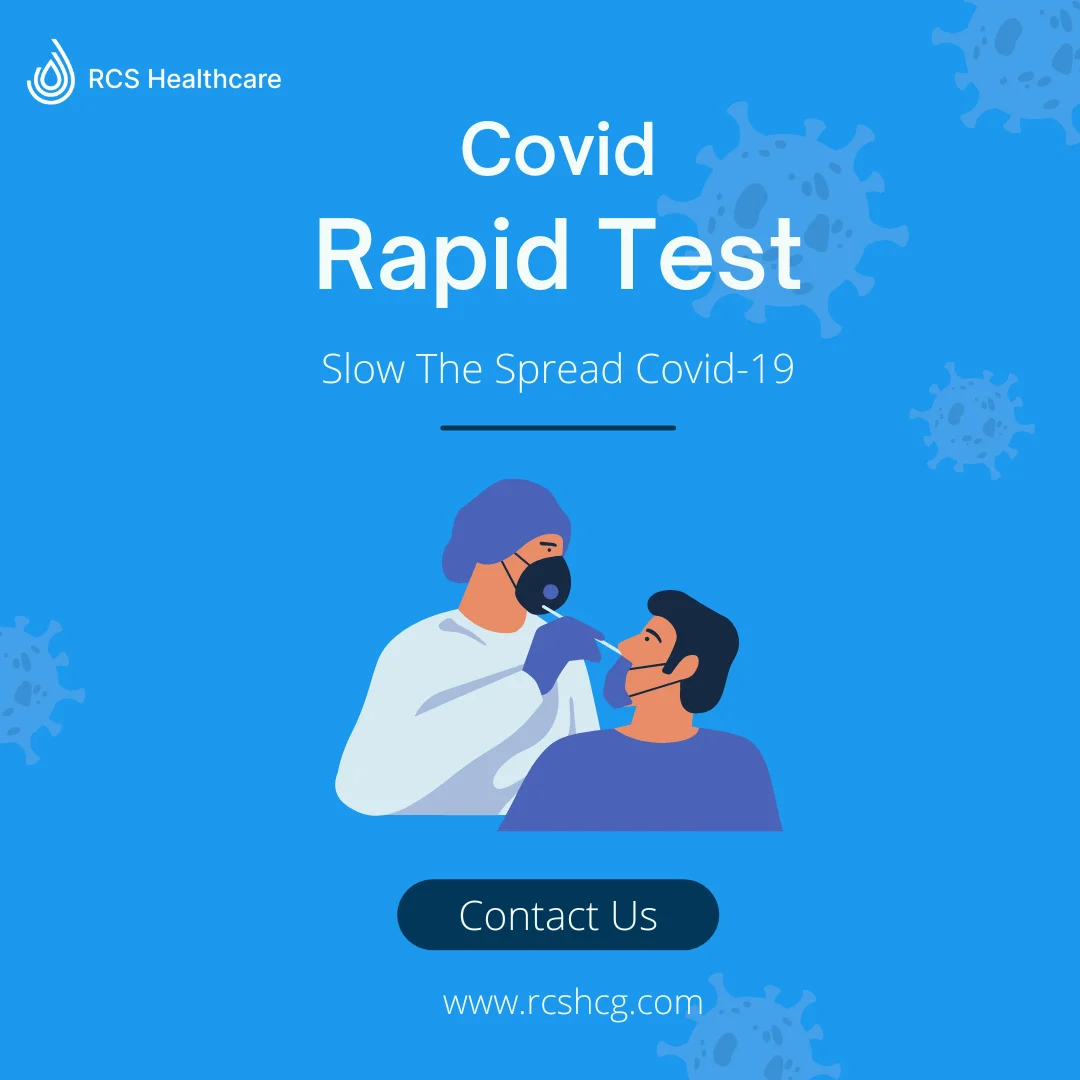
Have you ever wondered if rapid COVID tests are still accurate? With so many people using at-home test kits, it’s a common question. Rapid COVID tests have become one of the easiest ways to check for COVID-19 infection without visiting a clinic or laboratory. They are quick, convenient, and widely available. But how accurate are they, and how should you use them correctly? Let’s explore everything you need to know in simple language.
What Is a Rapid COVID Test?
A rapid COVID test, also known as an antigen test, is a quick diagnostic tool used to detect proteins from the SARS-CoV-2 virus. Unlike laboratory PCR tests, rapid tests can provide results within 15 to 30 minutes.
These tests are intended for home use and are simple to do. The majority of kits include a nasal swab, testing solution, test equipment, and instructions. They are particularly useful when you need quick findings before travelling, attending events, visiting family, or assessing symptoms.
Are Rapid COVID Tests Accurate?
The short answer is yes—rapid COVID tests can be accurate when used correctly.
However, their accuracy depends on several factors:
- Whether you have symptoms
- How much virus is present in your body
- When you take the test
- Whether you follow the instructions properly
Rapid tests tend to work best when a person has symptoms and a higher viral load. In these situations, they can effectively identify active infections.
The test may fail to identify the infection if a person tests too soon after exposure or has very little virus. For this reason, if symptoms persist or exposure is suspected, medical professionals frequently advise repeating the test after 24 to 48 hours.
Why Do Some Results Differ?
Many people are surprised when a rapid test result differs from a PCR test result. This happens because PCR tests are more sensitive and can detect smaller amounts of the virus.
A fast test identifies active illnesses with high viral levels. While PCR tests are still very sensitive, rapid testing are useful because they provide fast answers and allow people to make prompt decisions about isolation and medical care.
Benefits of Rapid COVID Tests
There are many reasons why people continue to use rapid COVID tests:
Fast Results
Most rapid tests provide results in about 15 minutes.
Easy to Use
No special equipment or laboratory visit is needed.
Testing can be easily done at home, at work, or while traveling.
Widely Available
Many pharmacies, healthcare providers, and online retailers offer at-home COVID test kits.
Helps Reduce Spread
Quick testing allows people to take action sooner if they test positive.
Step-by-Step COVID Rapid Test Instructions
To get the most accurate result, it is important to follow all instructions included with your test kit. While specific instructions may vary by manufacturer, most COVID rapid tests follow similar steps.
Step 1: Wash Your Hands
Before opening the test kit, wash your hands thoroughly with soap and water.
Step 2: Prepare the Testing Area
Place all test components on a clean, flat surface.
Step 3: Open the Swab
Carefully remove the nasal swab from its packaging. Avoid touching the soft tip.
Step 4: Collect the Sample
Gently insert the swab into one nostril according to the instructions provided with the kit. Rotate the swab several times against the inside of the nostril.
Repeat the process in the other nostril if instructed.
Step 5: Prepare the Sample
Place the swab into the extraction tube containing the testing solution. Mix the sample as directed by the manufacturer.
Step 6: Add the Sample to the Test Device
Apply the recommended number of drops into the sample well on the test cassette.
Step 7: Wait for Results
Allow the test to develop for the specified time, usually between 15 and 30 minutes.
Step 8: Read the Results
Check the control line and test line according to the instructions.
- One control line usually indicates a negative result.
- A control line and test line generally indicate a positive result.
- No control line usually means the test is invalid and should be repeated.
Always refer to the instructions included with your specific test kit.
Tips for More Accurate Results
Following these simple tips can help improve testing accuracy:
- Read all instructions before starting.
- Use the test before its expiration date.
- Store the kit according to manufacturer recommendations.
- Avoid eating, drinking, or smoking immediately before testing if instructed.
- Follow the timing guidelines carefully.
- Consider repeat testing if symptoms continue after a negative result.
When Should You Take a Rapid COVID Test?
A rapid COVID test may be useful in several situations:
If You Have Symptoms
Common symptoms include:
- Fever
- Cough
- Sore throat
- Fatigue
- Runny nose
- Body aches
After Exposure
If you have been in close contact with someone who tested positive for COVID-19, testing can help determine whether you may be infected.
Before Gatherings
Many people do tests before to family gatherings, meetings, or activities to assist limit the risk of spreading illness.
Before Travel
Some travelers use rapid tests before departure for additional peace of mind.
Are At-Home COVID Test Kits Available?
Yes, at-home COVID test kits are still available in many locations.
You can often find them through:
- Pharmacies
- Healthcare providers
- Online retailers
- Medical supply companies
- Community health programs
Availability may vary depending on your location and current demand. Many manufacturers continue to produce rapid COVID test kits for personal and professional use.
What Should You Do If You Test Positive?
If the quick COVID test results are positive:
- Follow local public health guidelines.
- Limit your contact with others.
- Observe your symptoms.
- If your symptoms worsen, seek medical attention.
- If you have severe symptoms, such as trouble breathing, seek medical assistance immediately.
A positive rapid test generally indicates an active COVID-19 infection.
What If Your Test Is Negative?
A negative result does not always guarantee that you are free from infection.
If you:
- Have symptoms
- Were recently exposed
- Continue feeling unwell
You may want to repeat the test after 24 to 48 hours or speak with a healthcare professional for additional guidance.
Final Thoughts
Rapid COVID tests remain a valuable tool for detecting COVID-19 infections quickly and conveniently. While no test is perfect, rapid antigen tests can provide reliable results when used correctly and at the appropriate time. Following the instructions carefully, testing when symptoms appear, and repeating tests when necessary can help improve accuracy.
The good news is that at-home COVID test kits are still widely available, making it easier than ever to monitor your health while at home. Rapid COVID testing remain a crucial part of personal healthcare and public safety, whether used before travel, after exposure, or when symptoms appear.
Understanding how these tests work and following the right processes will allow you to be more confidence in your results and make better decisions for yourself and people around you.