Sign up with Google
 Sign in with Zoho

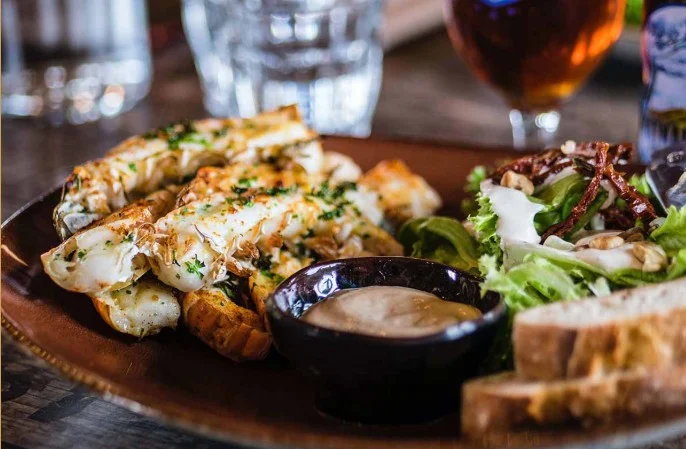
Most people have eaten tandoori food without ever thinking about the tandoor itself. It is just a word on the menu, attached to some chicken, usually red. But the oven is the whole reason those dishes taste the way they do, and understanding it changes how you order.
A tandoor is not a normal oven, and a kitchen that has one can do things a kitchen without one simply cannot. Looking for a tandoor restaurant amsterdam is worth doing deliberately, because the dishes that come out of a real clay oven are among the best things on any Indian menu, and they are impossible to replicate any other way.
What a tandoor actually is
A tandoor is a deep clay oven, usually cylindrical, that burns charcoal or wood at the bottom and reaches extremely high temperatures, far hotter than a domestic oven.
Food cooks in three ways at once inside it. Radiant heat from the hot clay walls, direct heat from the fire below, and smoke from the fat dripping onto the coals. That combination is what gives tandoori food its particular character: a charred, slightly smoky surface over meat or vegetables that stay moist inside, cooked fast before they dry out.
No frying pan, grill or conventional oven does all three of those things together. The tandoor is genuinely its own tool, and its results are genuinely distinct.
Why tandoor dishes taste different
The defining feature is the surface. That dry, charred, faintly smoky exterior is the entire point of this style of cooking, and it is a texture nothing else produces.
It is also why the marinade matters so much. Tandoori dishes are marinated before they go in, usually in yoghurt or cream with spices, which both seasons the surface and helps it char properly in the fierce heat. The marinade is doing real work, not just flavouring.
So a tandoor dish is a contrast dish by nature: crisp, charred outside, tender inside. That contrast is what makes it such a valuable thing to have on a table otherwise full of gravies.
The dishes to look for
A kitchen with a proper tandoor usually shows it off, and the section is worth reading closely.
At Rasoi the tandoor dishes run across proteins. Tandoori Lasooni Prawns at 14,95 and Tandoori Pomfret at 13,95 are both chef's signatures, and tandoor seafood is a real marker of skill because fish overcooks in seconds at those temperatures. Chicken Seekh Kebab at 13,95 is minced chicken on a skewer. Afghani Chicken Tikka at 13,50 uses a cream and cardamom marinade rather than the usual yoghurt and chilli, so it comes out pale and aromatic.
For vegetarians the tandoor is not an afterthought either. Dahi ke Kebab at 12,95 is made from hung yoghurt, fried crisp. Malai Broccoli Kebab at 13,95 gives broccoli the tandoor treatment. And Mushroom Galouti Kebab at 11,50 borrows a refined court technique from Lucknow.
Why you should eat these in, not order them out
Here is the one rule that matters with tandoor food. That charred surface, the entire reason you ordered it, does not survive a delivery journey.
The moment a tandoor dish goes into a sealed container, it starts to steam itself. The surface that was crisp and dry when it left the oven softens on the way to you, and fifteen minutes later the thing that made it special is gone. It is still edible, just no longer what it was.
So this is the section of the menu to eat in the restaurant, or to collect and eat quickly, rather than ordering for delivery across the city. If you are going to order tandoor dishes, be there for them, because they are a now food.
How to use the tandoor section when ordering
Even if the rest of your meal is gravies, order one tandoor dish. It is the single best way to improve the balance of an Indian order.
A table of three curries and rice has no textural variation. Add one charred, dry tandoor dish and suddenly there is contrast, something to break up the richness. That one dish does more for the meal than a fourth gravy ever would.
Order it to arrive with the rest of the food, not before, so the dry grilled element sits alongside the wet dishes rather than being a forgotten starter.
What a tandoor says about the kitchen
A working tandoor is a commitment. It takes space, it takes fuel, and it takes a cook who knows how to use it, because the margin between perfectly charred and burnt is small at those temperatures.
So a kitchen with a strong tandoor section, especially one confident enough to cook seafood in it, is telling you something about its standards. Tandoor seafood as a signature dish is not a claim a careless kitchen would make.
If you want to eat the best of what this style of cooking offers, find a place that takes its tandoor seriously, order from that section, and eat it where it was made. It is one of the few things on an Indian menu that genuinely cannot be done any other way, and it is worth being there for.





.webp)