Sign up with Google
 Sign in with Zoho
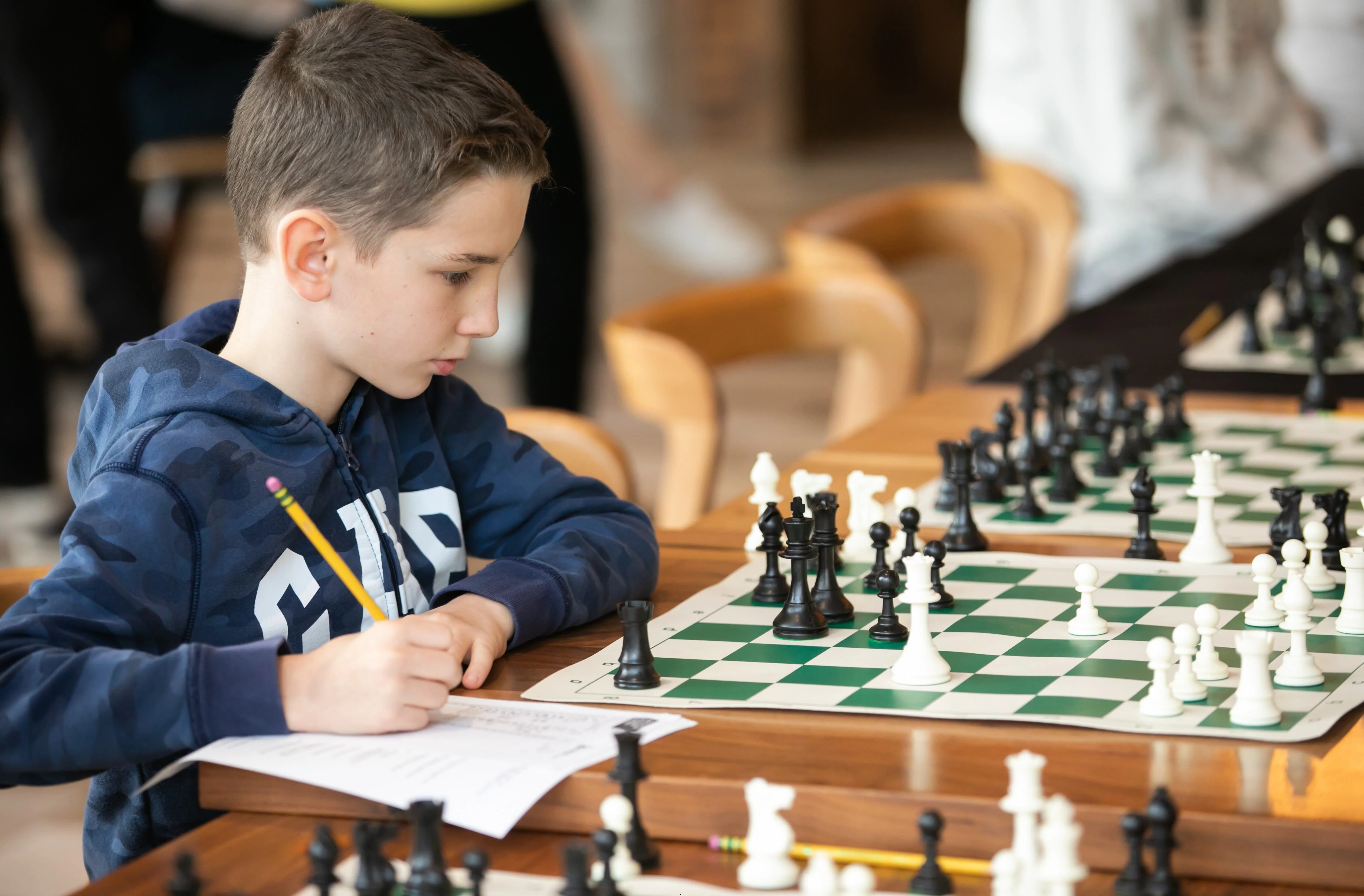
Chess lessons for kids help children build focus, patience, and problem-solving skills while learning a game they can enjoy for life. This guide explains what to look for in a chess program, why chess benefits young learners, and how to get your child started the right way.
What Are Chess Lessons for Kids
Chess lessons for kids are structured coaching sessions designed to teach children the rules, strategies, and thinking patterns of chess in a way that matches their age and skill level. Good lessons combine simple explanations, guided practice, and fun exercises so children stay engaged while they learn.
Unlike casual play at home, structured lessons follow a clear curriculum. This means your child learns concepts in the right order, from basic piece movement to opening principles and simple tactics.
Why Chess Lessons Matter for Children
Many parents wonder if chess is worth the time investment for a young child. The short answer is yes, and the reasons go beyond the game itself.
Chess teaches children to think before they act. Every move has a consequence, so kids learn to slow down and consider options rather than react impulsively. This kind of thinking transfers to schoolwork, sports, and everyday decisions.
A common mistake parents make is signing their child up for random online videos or apps instead of real coaching. Without guidance, children often develop bad habits early, such as moving pieces without a plan or ignoring basic safety for their king. Working with an actual coach helps children learn correctly the first time.
Key Benefits of Chess Lessons for Kids
- Improves concentration and attention span
- Builds critical thinking and planning skills
- Develops patience and emotional control
- Strengthens memory and pattern recognition
- Encourages sportsmanship through win and loss
- Supports better performance in math and reading
These benefits are one reason schools and after-school programs increasingly include chess as part of their offerings.
Real Examples of Chess Lessons in Action
A 7-year-old beginner might spend the first few lessons learning how each piece moves and simple checkmate patterns like king and queen versus king. Within a few weeks, that same child can usually recognize basic traps and avoid losing pieces for free.
For slightly older students, lessons often include analyzing their own games. A student who keeps losing to early queen attacks, for example, can learn a simple defensive setup that fixes the problem within one or two sessions.
Group classes also give kids the chance to play against peers of similar skill, which builds confidence before their first tournament.
Step-by-Step Guide to Starting Chess Lessons for Kids
- Assess your child's current level, even if it is zero experience.
- Choose a format that fits your child, such as private one-on-one lessons or a small group class.
- Start with the basics: piece movement, check and checkmate, and basic tactics.
- Practice consistently, ideally 20 to 30 minutes a few times a week.
- Introduce friendly games or a beginner tournament once your child understands the fundamentals.
- Review games together to reinforce lessons and build good habits early.
Consistency matters more than long sessions. A short, regular practice routine builds skill faster than occasional long sessions.
How GMChessPrep Can Help
GMChessPrep offers chess lessons for kids taught with a structured, age-appropriate curriculum designed by a Grandmaster-level coaching team. Whether your child is a complete beginner or already knows the basics, GMChessPrep provides online private lessons and group classes that match their current level.
For families who want a low-pressure way to start, GMChessPrep also offers a free trial class so parents can see how their child responds to real coaching before committing to a full program. Students who want to compete can also join GMChessPrep's scholastic and tournament programs once they are ready.
Many parents find that GMChessPrep's small class sizes and personalized feedback help children progress faster than self-taught methods.
Conclusion
Chess lessons for kids build far more than game skills. They strengthen focus, patience, and confident decision-making that carries into school and everyday life. Starting with the right structure, consistent practice, and proper guidance sets children up for steady improvement.
GMChessPrep provides coaching designed specifically for young learners, helping students build strong fundamentals from their very first lesson.
FAQs
What is the best age to start chess lessons?
Most children can begin learning chess as early as 5 or 6 years old, though even younger kids can start with simple piece movement games.
How long should a chess lesson be for a child?
Sessions of 30 to 45 minutes work well for most children, since this keeps their attention without causing fatigue.
Are group classes or private lessons better for kids?
Private lessons offer faster, personalized progress, while group classes build social skills and give kids a chance to play against peers. Many families use a mix of both.
Do kids need to play tournaments to improve?
No. Tournaments help build experience and confidence, but steady lesson-based practice is what drives most improvement.
Can a child with no chess experience join lessons?
Yes. Chess lessons for kids are designed to start from zero, teaching piece movement and basic rules before moving into strategy.
How often should a child practice chess outside of lessons?
Even 15 to 20 minutes of practice a few times a week, combined with weekly lessons, is enough to see steady progress.

.webp)