Sign up with Google
 Sign in with Zoho

Pain has a way of changing ordinary life.
A staircase that was once effortless can suddenly become difficult. Sitting at a desk for a few hours may leave the back feeling stiff. A knee that hurts during a walk can gradually make people avoid activities they once enjoyed.
For many people, these problems do not begin with a dramatic injury. They develop slowly through everyday habits, repetitive movements, sports, ageing or long hours spent sitting and working.
This is where physiotherapy can become an important part of recovery.
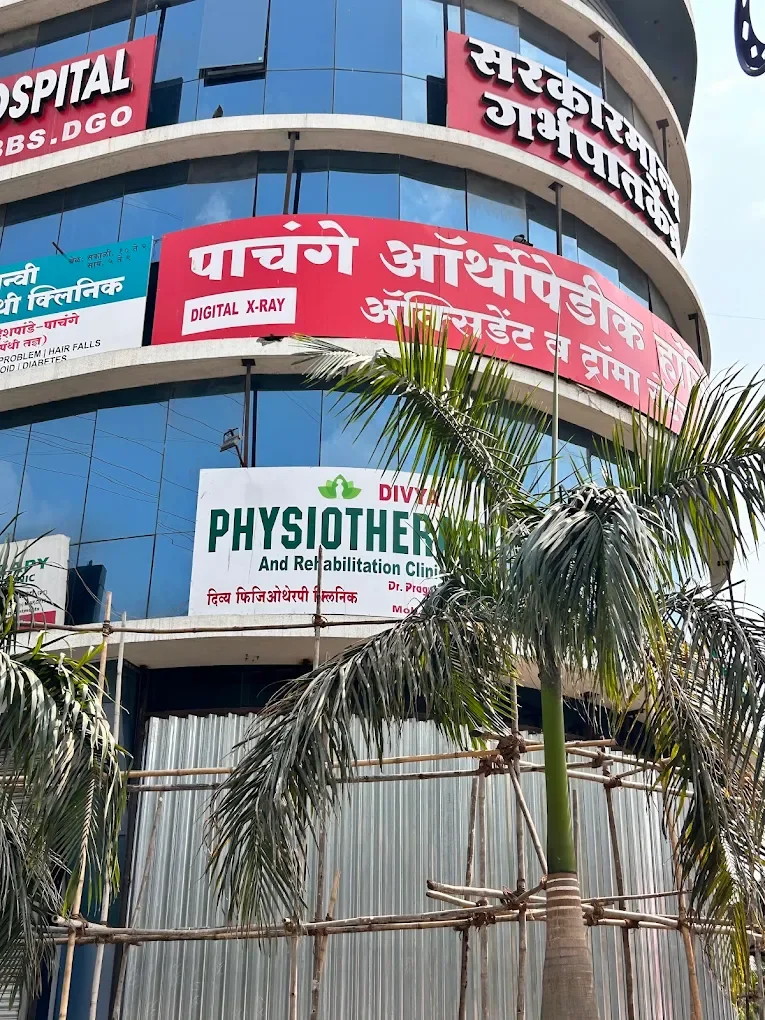
In Pune, Divya Physiotherapy Clinic focuses on physiotherapy and rehabilitation services designed around movement, recovery and functional improvement. Its range of therapies includes physiotherapy, rehabilitation, cupping therapy, kinesio taping and treatment approaches for common problems such as knee pain and back pain.
The larger idea behind physiotherapy is fairly simple: instead of only trying to make discomfort disappear temporarily, the goal is often to understand why movement has become difficult and work toward improving strength, flexibility, mobility and function.
Why Physiotherapy Matters
Physiotherapy is sometimes associated only with sports injuries or recovery after surgery.
In reality, its role is much broader.
People seek physiotherapy for a wide variety of movement-related concerns. Some are recovering from an injury. Others experience persistent back or neck discomfort because of their working habits. Some have difficulty moving after surgery, while others want help returning to normal activity following an accident.
There are also people who simply feel that their movement is not what it used to be.
The body adapts to the way it is used.
If someone spends most of the day sitting, certain muscles may become less active while others compensate. If an individual repeatedly performs the same movement, particular joints or tissues may experience additional stress. After an injury, people may unconsciously change how they walk or use a particular part of the body.
These changes can affect movement over time.
Physiotherapy aims to address these functional issues through assessment, movement-based treatment and rehabilitation.
Divya Physiotherapy Clinic and the Importance of Individual Care
One of the challenges with pain is that the same symptom can have different causes.
Two people can both complain about knee pain but have completely different underlying problems.
One may have developed discomfort after increasing physical activity. Another may have weakness around the knee or hip. Someone else may be recovering from an injury.
The same applies to back pain.
That is why physiotherapy is not simply about applying a particular treatment to a particular body part.
The person's movement, history, symptoms and day-to-day activities all matter.
At a physiotherapy clinic, the objective is generally to understand the problem before deciding how best to approach rehabilitation.
This patient-focused perspective is particularly important when dealing with recurring pain.
Knee Pain Treatment Is About More Than the Knee
Knee pain is one of the most common reasons people seek help with movement.
It can affect people across different age groups and activity levels.
For an active person, knee discomfort may interfere with running, cycling, gym workouts or sports. For an older adult, it may make walking, climbing stairs or getting up from a chair increasingly uncomfortable.
But treating knee pain does not always mean focusing exclusively on the painful area.
The knee works as part of a larger movement system.
The hips, ankles and surrounding muscles all contribute to how the knee moves and handles load. A weakness or mobility issue elsewhere can sometimes influence the way stress is distributed.
This is one reason rehabilitation can be valuable.
Instead of simply asking, "How do I stop my knee from hurting?", physiotherapy can also ask, "How can I help this person move better?"
That change in perspective can make rehabilitation more meaningful.
Back Pain Treatment in Everyday Life
Back pain is another problem that can quietly affect almost everything.
Working at a desk becomes uncomfortable. Driving becomes tiring. Sleeping may be affected. Even simple activities such as bending down or picking something up can become something a person thinks about before doing.
Long periods of sitting are common in modern working life, particularly for people with office-based jobs.
However, sitting itself is not necessarily the entire problem.
Lack of movement, poor work habits, insufficient strength, previous injuries and repetitive activities can all contribute to discomfort.
A physiotherapy approach may therefore involve more than treating the immediate pain.
It can include movement education, exercises, strengthening and strategies that help a person manage daily activities more effectively.
This is particularly useful because the ultimate goal of back pain treatment should not simply be getting through one appointment.
The goal is getting back to everyday life.
Rehabilitation: The Part That Happens Between Appointments
The word rehabilitation can sound clinical, but its purpose is practical.
Rehabilitation is about helping someone regain function.
After an injury, surgery or period of reduced movement, the body may not immediately return to its previous level of strength and coordination.
That is where a structured rehabilitation programme can help.
Exercises can gradually challenge the affected area.
Movement can be reintroduced.
Strength can be rebuilt.
Confidence can return.
The process is rarely identical for everyone.
A professional athlete returning to sport will have different goals from an office worker recovering from a back problem. An older adult rebuilding mobility after an injury may have different priorities again.
Good rehabilitation starts with those individual differences.
What Is Cupping Therapy?
Cupping therapy has become increasingly visible in sports recovery and wellness discussions.
The technique involves placing cups on the skin to create suction. Different forms of cupping are used in different settings, and the experience can vary depending on the approach being used.
People often seek cupping therapy as part of a broader approach to muscular discomfort and recovery.
It is worth remembering, however, that no single therapy should be viewed as a universal solution.
Cupping may be used alongside other physiotherapy techniques depending on the individual's condition and the practitioner's assessment.
The most useful approach is generally one that considers the whole rehabilitation plan rather than treating one therapy as a cure-all.
Understanding Kinesio Taping
The colourful strips often seen on athletes are usually associated with kinesio taping.
Kinesio tape is an elastic therapeutic tape applied to the skin in specific patterns. Physiotherapists may use taping as one component of a wider treatment plan.
The purpose can vary depending on the person's condition and treatment goals.
For some patients, taping may be used to provide support or sensory feedback during movement.
But tape alone is rarely the complete answer to a movement problem.
This is an important distinction.
Physiotherapy works best when individual techniques are used for a reason and fit into an overall rehabilitation strategy.
Who Can Benefit From Physiotherapy?
Physiotherapy is not limited to professional athletes.
A working professional with persistent back discomfort may benefit from an assessment.
A recreational runner dealing with knee discomfort may need help modifying movement and strengthening supporting muscles.
Someone recovering after an injury may need structured rehabilitation before returning to normal activities.
An older adult may want to improve strength and mobility.
Even people who have become less active because of pain can benefit from guidance that helps them gradually return to movement.
The common factor is a change in physical function.
If pain or reduced mobility is interfering with everyday activities, consulting a qualified healthcare professional can be a sensible next step.
Physiotherapy for an Active Lifestyle
Modern fitness culture encourages people to exercise more, but increasing activity without appropriate preparation can sometimes create problems.
Someone who suddenly starts running five days a week after months of inactivity may experience pain.
A person who increases gym weights too quickly can place additional stress on muscles and joints.
Even enthusiastic recreational athletes can develop repetitive strain problems.
This does not mean exercise is harmful.
Quite the opposite.
Regular physical activity is an important part of a healthy lifestyle.
The lesson is that the body needs time to adapt.
Physiotherapy can play a role in helping people understand movement, recover from injuries and return to activity progressively.
For active individuals, the goal is often not simply to stop pain.
It is to return to doing the things they enjoy with greater confidence.
The Importance of Exercise in Recovery
There is a reason exercise appears so often in physiotherapy.
The body responds to appropriate physical stress.
Muscles can become stronger.
Mobility can improve.
Coordination can be retrained.
Movement can become more efficient.
But rehabilitation exercises need to be appropriate for the individual.
An exercise that is helpful for one person may not be suitable for another.
This is why copying random exercises from social media can be problematic, particularly when someone is already experiencing pain.
Professional guidance can help determine what movements are appropriate and how they should progress.
Why Early Attention Can Matter
People often wait for pain to disappear on its own.
Sometimes it does.
Sometimes it does not.
Persistent discomfort can begin to affect how a person moves. They may avoid certain activities, change their posture or compensate with another part of the body.
That can create additional movement problems.
Seeking professional advice does not necessarily mean that a serious problem exists.
It simply provides an opportunity to understand what may be happening and determine an appropriate course of action.
The earlier someone understands a movement issue, the easier it can sometimes be to make practical changes.
Finding a Physiotherapy Clinic in Pune
Pune is home to a large and diverse healthcare ecosystem, including physiotherapy clinics serving different communities and needs.
When choosing a physiotherapy clinic, location is certainly useful, but it should not be the only consideration.
Patients may want to understand the clinic's areas of expertise, treatment approach, available therapies and whether the practitioner has experience with the type of problem they are dealing with.
Communication also matters.
A patient should feel comfortable explaining symptoms, asking questions and discussing the practical challenges that affect recovery.
Treatment works better when the patient understands what they are doing and why.
For people looking for physiotherapy in Pune, Divya Physiotherapy Clinic is one local option to consider for rehabilitation and movement-related care.
A Practical Approach to Recovery
One of the most useful things about physiotherapy is that it can connect treatment with everyday life.
The objective is rarely to keep a person dependent on appointments indefinitely.
Instead, the broader aim is often to help the individual become more capable of managing movement and returning to normal activities.
That might mean learning exercises that can be performed at home.
It could involve understanding how to modify an activity temporarily.
It might mean gradually rebuilding strength after an injury.
Or it may involve correcting movement patterns that have contributed to recurring discomfort.
Recovery is not always linear.
Some days feel better than others.
Progress may be slow.
But consistent rehabilitation can make a meaningful difference when the treatment plan is appropriate and the patient follows professional guidance.
What Makes a Good Physiotherapy Experience?
Treatment techniques matter, but the overall experience matters too.
Patients generally want to feel heard.
They want their symptoms taken seriously.
They want to understand what is happening.
And they want a realistic explanation of what recovery might involve.
A good physiotherapy experience should therefore involve communication as well as treatment.
The patient should understand the purpose of exercises or therapies being recommended.
They should also know when they need to modify an activity or seek additional medical evaluation.
Physiotherapy is part of healthcare, not a replacement for medical diagnosis when a condition requires one.
Final Thoughts
Pain can make people think about movement in ways they never did before.
A short walk becomes difficult.
A flight of stairs becomes something to avoid.
A favourite sport gets put on hold.
Even sitting at work can become uncomfortable.
Physiotherapy offers a structured way to work toward better movement and function.
Divya Physiotherapy Clinic in Pune provides physiotherapy and rehabilitation services, including approaches such as cupping therapy and kinesio taping, alongside care focused on common concerns such as knee and back pain.
For someone searching for a physiotherapy clinic in Pune, the important thing is not simply finding the closest clinic or choosing a treatment because it is currently popular.
It is finding appropriate professional guidance for the individual's situation.
Recovery is personal.
The right approach depends on the person's symptoms, history, physical condition and goals.
And ultimately, successful physiotherapy is not just about feeling better during an appointment.
It is about being able to move through everyday life with greater confidence and fewer limitations.
Frequently Asked Questions
What services does Divya Physiotherapy Clinic provide?
Divya Physiotherapy Clinic provides physiotherapy and rehabilitation services, with treatment options that include cupping therapy and kinesio taping. The clinic also focuses on common concerns such as knee pain and back pain.
What is physiotherapy used for?
Physiotherapy can help people manage movement-related problems, recover after injuries, improve strength and mobility, and return to everyday activities. The appropriate treatment depends on the individual's condition.
Can physiotherapy help with knee pain?
Physiotherapy can be useful for many types of knee problems. Treatment may focus on improving strength, mobility, movement patterns and function depending on the underlying issue.
Can physiotherapy help with back pain?
Physiotherapy is commonly used as part of management for many types of back pain. Depending on the cause, treatment may include exercises, movement education, strengthening and other techniques.
What is cupping therapy?
Cupping therapy uses suction created by cups placed on the skin. It may be incorporated into some physiotherapy or recovery programmes depending on the individual's needs and the practitioner's assessment.
What is kinesio taping?
Kinesio taping uses elastic therapeutic tape applied to the skin. Physiotherapists may use it as one part of a broader treatment programme depending on the patient's condition and goals.
Is physiotherapy only for athletes?
No. Physiotherapy can be relevant to people of many ages and activity levels, including office workers, older adults, people recovering from injuries and individuals experiencing everyday movement difficulties.
How long does physiotherapy take to work?
There is no fixed timeline. Recovery depends on the underlying condition, severity, individual health, treatment plan and consistency with rehabilitation exercises.
Should I see a physiotherapist for persistent pain?
Persistent pain or reduced movement is worth discussing with a qualified healthcare professional. A proper assessment can help determine whether physiotherapy is appropriate or whether further medical evaluation is needed.






.webp)