Sign up with Google
 Sign in with Zoho


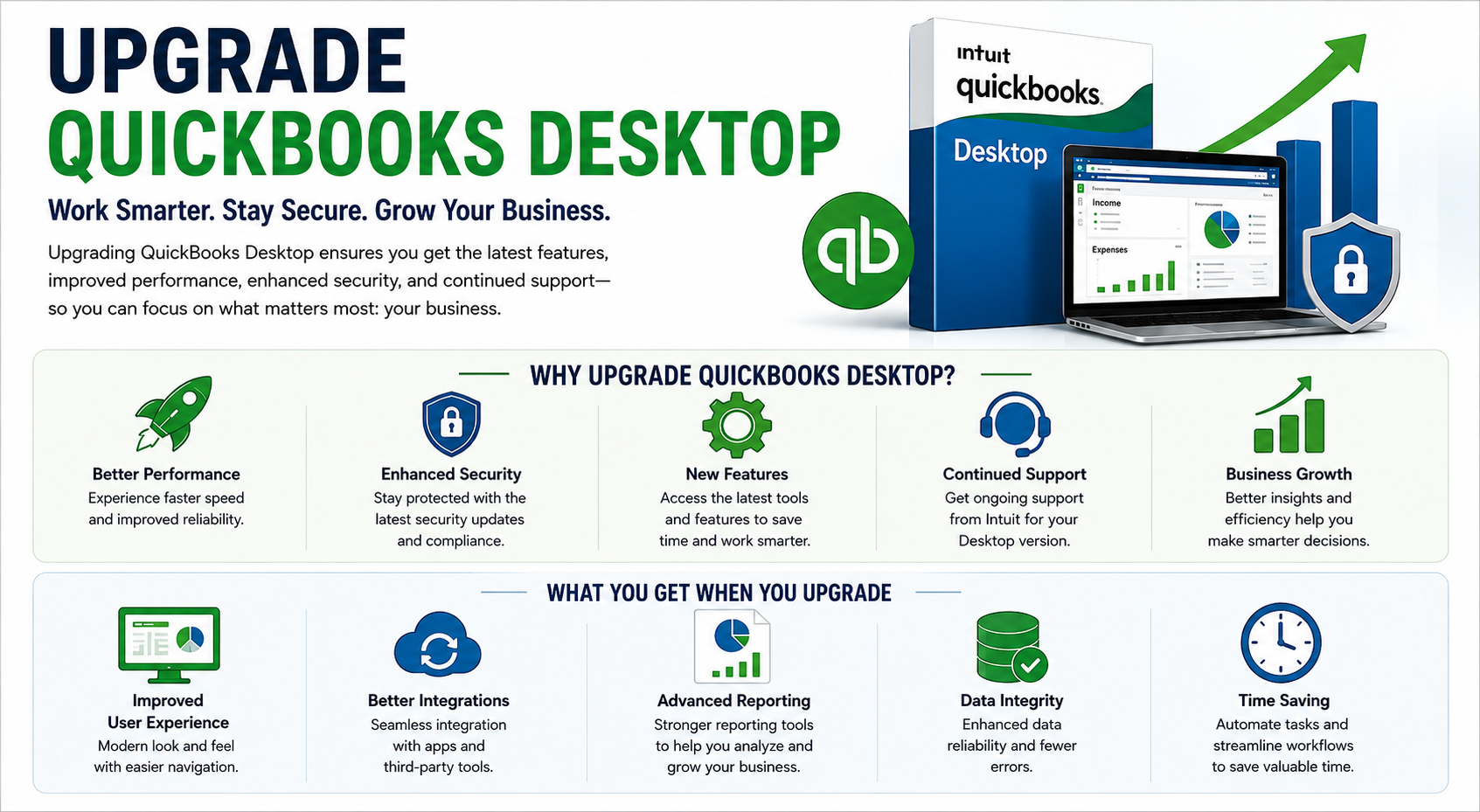
If you've been using QuickBooks Desktop for years, switching to QuickBooks Online might feel like a big step. Many business owners hesitate because they're worried about losing data, disrupting their workflow, or having to learn a completely new system.
The good news is that moving from QuickBooks Desktop to QuickBooks Online is usually a straightforward process when it's done correctly. Whether you're looking for remote access, easier collaboration with your accountant, or the convenience of cloud-based accounting, converting your company file can help modernize the way you manage your finances.
In this guide, you'll learn how to convert QuickBooks Desktop to Online, what to do before you begin, and how to avoid common migration mistakes.
Why Businesses Are Moving to QuickBooks Online
Over the past few years, cloud accounting has become the preferred choice for many small and medium-sized businesses. Unlike Desktop software, QuickBooks Online allows you to access your books from virtually anywhere.
Imagine checking invoices while traveling, reviewing reports from home, or giving your accountant instant access without emailing backup files. These are some of the reasons more businesses are making the switch.
Other advantages include:
- Automatic software updates
- Secure cloud storage and backups
- Multi-user access
- Mobile app functionality
- Easy integration with business tools and apps
- Reduced dependence on a single computer
For companies with remote teams or multiple locations, these features can save a significant amount of time.
What Information Transfers During the Conversion?
One of the most common questions people ask is whether their data will move over correctly.
In most cases, QuickBooks Online can import important company information from QuickBooks Desktop, including:
- Customer and vendor records
- Chart of Accounts
- Open invoices and bills
- Products and services
- Historical transactions
- Financial balances
- Employee information
However, some customized reports, templates, and advanced settings may not transfer exactly the same way. That's why reviewing your data after migration is essential.
Things to Do Before You Start
A little preparation can prevent major headaches later.
Back Up Your Company File
Before making any changes, create a complete backup of your QuickBooks Desktop file. Even if the conversion goes smoothly, having a backup gives you peace of mind.
Update QuickBooks Desktop
Running the latest version helps reduce compatibility issues during the migration process.
Review Your Financial Records
Take a few minutes to check for duplicate entries, unresolved transactions, or outdated records. Clean data generally leads to a smoother conversion.
Reconcile Your Accounts
Make sure your bank and credit card accounts are fully reconciled. This makes it easier to compare balances after the transfer.
Step-by-Step: Convert QuickBooks Desktop to Online
Step 1: Create Your QuickBooks Online Account
Choose the QuickBooks Online plan that best fits your business needs and complete the account setup.
Step 2: Open Your Desktop Company File
Sign in as the administrator and open the company file you want to move.
Step 3: Begin the Export Process
Within QuickBooks Desktop, locate the option to move or export your data to QuickBooks Online.
Follow the prompts and sign in to your QuickBooks Online account when requested.
Step 4: Upload Your Company Data
The system will begin transferring your financial information to the online platform. Depending on the size of your company file, this process may take some time.
Step 5: Verify the Migration
Once the transfer is complete, compare your records carefully.
Pay special attention to:
- Account balances
- Customer information
- Vendor records
- Outstanding invoices
- Inventory data
- Financial reports
Catching discrepancies early makes them much easier to fix.
Common Challenges During Migration
Although most conversions are successful, a few issues can occasionally arise.
Inventory Differences
QuickBooks Desktop and QuickBooks Online handle inventory calculations differently. Businesses with large inventories should review stock quantities and valuations after migration.
Custom Reports
If you've spent years building custom reports, some may need to be recreated manually in QuickBooks Online.
User Permissions
Employee access settings don't always transfer exactly as they existed in Desktop. You may need to assign permissions again.
Payroll Data
Payroll records often require additional review to ensure everything imported correctly.
What to Do After the Conversion
Many users make the mistake of assuming the process is finished once the upload is complete. In reality, the verification stage is just as important.
Run a few key reports in both systems and compare them:
- Balance Sheet
- Profit and Loss Statement
- Accounts Receivable
- Accounts Payable
If the numbers match, you're in great shape.
It's also a good idea to keep your QuickBooks Desktop backup for reference while you get comfortable using the online version.
Is QuickBooks Online Worth the Switch?
For many businesses, the answer is yes.
QuickBooks Online offers flexibility that traditional desktop software simply can't match. Being able to access financial information from anywhere, collaborate in real time, and eliminate manual backups can make day-to-day accounting much easier.
That said, every business is different. Companies with highly specialized workflows should evaluate their requirements before making the move.
Final Thoughts
Converting QuickBooks Desktop to Online doesn't have to be overwhelming. With proper preparation and a careful review of your data afterward, the migration process can be completed with minimal disruption to your business.
If your goal is greater flexibility, remote access, and a more modern accounting experience, QuickBooks Online can be a valuable upgrade. Take your time, back up your data, and verify your records once the transfer is complete. Doing so will help ensure a smooth transition and set your business up for long-term success.



.jpg)