Sign up with Google
 Sign in with Zoho

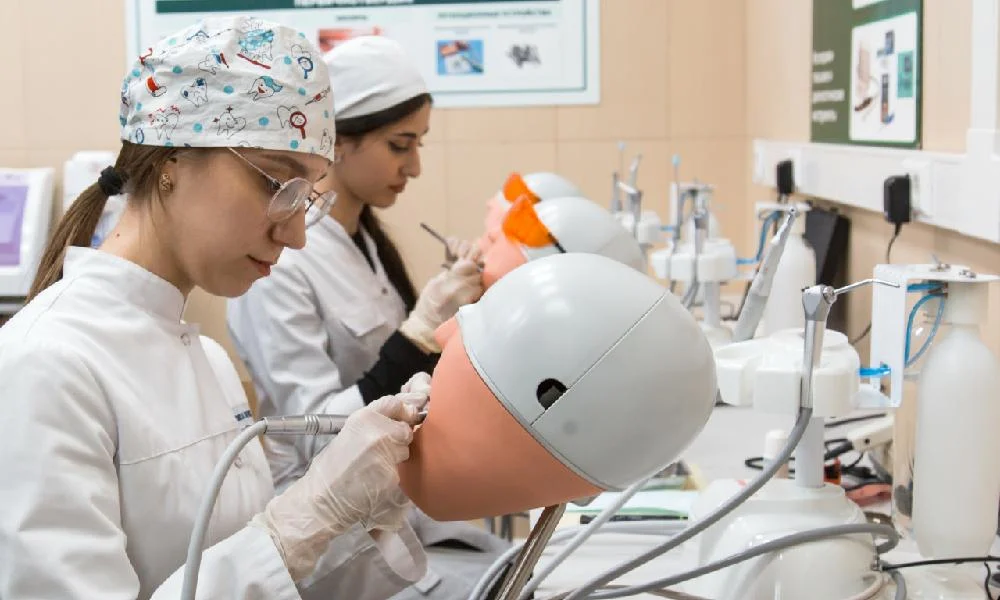
Every year, over 20,000 Indian students choose to pursue their MBBS abroad, driven by rising competition for limited seats in Indian medical colleges and the high cost of private medical education at home. With NEET qualification as the primary gateway and a growing list of NMC (National Medical Commission)-approved universities across the globe, studying medicine abroad has become a practical, affordable, and academically sound path to becoming a doctor.
If you're a NEET-qualified student exploring your options, here's what you need to know before making a decision.
Why Indian Students Are Choosing MBBS Abroad
India produces over 2 million NEET aspirants annually, but government medical colleges offer fewer than 100,000 seats combined. Private medical colleges in India often charge anywhere from ₹50 lakh to over ₹1 crore for a complete MBBS course. In contrast, many international universities offer NMC-recognized MBBS programs for a fraction of that cost, with English-medium instruction, modern infrastructure, and globally accepted degrees.
Top Countries for MBBS Abroad in 2026
Russia remains one of the most popular destinations due to its long-standing medical education system, WHO-recognized universities, and affordable tuition fees starting from as low as ₹25–35 lakh for the entire course.
Georgia has emerged as a strong contender thanks to its European-standard medical curriculum, safe environment, and universities that are both NMC and WHO approved.
Kazakhstan and Kyrgyzstan offer some of the most budget-friendly options, with total course costs often under ₹30 lakh, making them attractive for students seeking quality education without heavy financial strain.
Uzbekistan has gained traction recently for its improving infrastructure, clinical exposure, and competitive fee structures.
China continues to attract students seeking top-ranked medical universities with strong research facilities and globally recognized degrees.
What to Check Before Choosing a University
Not every foreign medical university is a safe bet. Before shortlisting, students and parents should verify:
- NMC and WHO approval status — non-negotiable for practicing in India after graduation
- FMGE/NExT pass rate of the university's alumni
- Recognition by the local country's medical council
- Availability of English-medium teaching without a mandatory local-language year
- Hostel, safety, and clinical training infrastructure
Skipping this due diligence is one of the most common — and costly — mistakes students make.
The Admission Process, Simplified
Admission to most NMC-approved universities abroad follows a similar pattern: a valid NEET score, submission of academic documents, a university-issued offer letter, and visa processing. Unlike Indian private colleges, there's typically no capitation fee or donation involved, which significantly reduces the overall cost burden on families.
Working with an experienced overseas education consultant can help streamline this process — from shortlisting the right university based on budget and preferences to handling visa documentation and pre-departure guidance.
Final Thoughts
MBBS abroad isn't a backup plan anymore — for thousands of Indian students, it's become the smarter, more affordable route to a genuine medical career. The key is choosing the right country and university with verified NMC approval, rather than being swayed by aggressive marketing or unrealistically low fees.
For students and parents looking for detailed, university-wise guidance on MBBS admissions abroad, resources like MBBS From Abroad offer country comparisons, fee structures, and counseling support to help make an informed choice.