Sign up with Google
 Sign in with Zoho

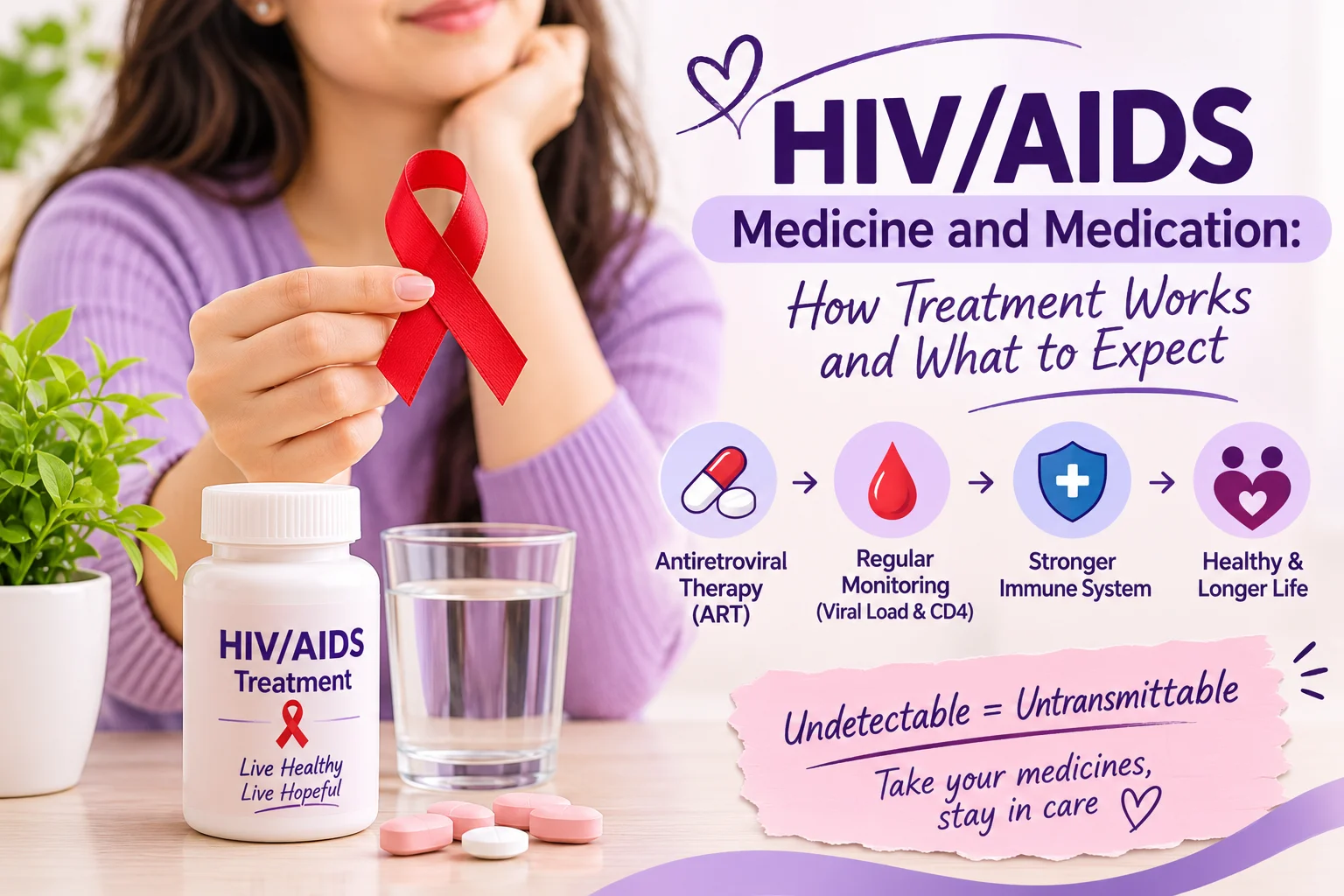
An HIV diagnosis often brings immediate questions about treatment, particularly whether medicines will be needed for life and how they might affect everyday activities. Although HIV cannot currently be cured, treatment has made it possible to control the infection and prevent much of the damage it can cause to the immune system.
Key Takeaways
Understanding How HIV Treatment Works
HIV affects CD4 cells, which play an important role in protecting the body against infections. As the virus multiplies, the number of these cells can fall, leaving the immune system less able to fight illness.
Antiretroviral therapy (ART) uses medicines that target different stages of HIV multiplication. Depending on the medicine, treatment can prevent the virus from entering cells, copying its genetic material or producing new virus particles.
Even when treatment brings HIV levels down so that blood tests cannot detect the virus, it does not mean the infection is gone. HIV can remain in the body, which is why people need to continue taking their medicines even when their test results are good
The Medicines Used in HIV Treatment
HIV treatment is called antiretroviral therapy, or ART. It usually involves two or three active medicines from different drug classes, although the exact combination varies from person to person.
Some commonly used HIV/Aids medicine classes include:
- Integrase strand transfer inhibitors (INSTIs): These block an HIV enzyme called integrase, which the virus needs to insert its genetic material into a person's cells.
- Nucleoside or nucleotide reverse transcriptase inhibitors (NRTIs): These interfere with reverse transcriptase, an enzyme HIV uses to make DNA from its RNA.
- Non-nucleoside reverse transcriptase inhibitors (NNRTIs): These also target reverse transcriptase but work differently.
- Protease inhibitors: These block protease, an enzyme HIV needs to produce mature infectious virus.
Dolutegravir-based regimens are currently preferred by WHO for initial and subsequent HIV treatment in many settings. Other medicines and combinations may be appropriate depending on an individual's circumstances.
Choosing the Right Treatment
The choice of HIV/AIDS medication depends on several factors, including your general health, other medicines you take, possible drug interactions, and whether you have other infections, such as hepatitis B. Previous HIV treatment and drug-resistance test results may also influence the decision.
Most HIV medicines are taken daily as tablets. Long-acting injectable treatment is also an option in certain situations, including for some people who struggle with daily medication.
Monitoring Your Response to Treatment
You may not notice any immediate changes after starting treatment. Your progress is mainly assessed through regular blood tests.
Viral load testing measures the amount of HIV in your blood. With effective treatment, viral load usually decreases substantially and may become undetectable within 8 to 12 weeks, though this varies by individual.
Your doctor may also check your CD4 count and kidney and liver function during follow-up. The frequency of these tests depends on your treatment and general health.
What Happens If You Miss HIV Medication?
Missing doses can affect how well HIV treatment works. If the virus is not kept under control, it can multiply and develop resistance to some medicines, making them less effective.
If you miss a dose, do not make repeated changes to your treatment schedule without medical advice. If missed doses are becoming common, tell your healthcare team. They may be able to identify what is making treatment difficult, whether it is side effects, a complicated schedule, cost or simply difficulty fitting medicines into daily life.
Understanding an Undetectable Viral Load
One of the most important goals of HIV treatment is achieving and maintaining an undetectable viral load.
"Undetectable" means the amount of HIV in the blood is below the level that the viral load test can detect. When a person maintains an undetectable viral load through effective treatment, HIV is not sexually transmitted to their partner. This is commonly described as Undetectable = Untransmittable, or U=U.
Living With HIV
HIV treatment has made a significant difference to people's lives. Many people with HIV can now manage the infection with daily medication and continue working, raising families and going about their lives. Regular treatment and medical follow-up remain important.
Living with HIV still involves regular healthcare. You may need ongoing monitoring, treatment for other infections or health conditions and adjustments to your medicines over time. The practical side of treatment matters too. Taking medicines at the same time each day, keeping appointments and telling your healthcare team about side effects or other medicines can make long-term treatment easier to manage.
An HIV diagnosis does not mean that your health will always be defined by the infection. Effective treatment can keep the virus under control while allowing you to continue with work, relationships, family life and everyday activities.
Conclusion
Before starting treatment, discuss how to take your medicines, possible side effects and interactions with other medicines you may be using. Ask your healthcare team what to do if you miss a dose and how often you will need follow-up tests.
Do not stop taking your medicines just because you feel better or no longer have symptoms. HIV can continue multiplying without treatment, even when you feel well.
Disclaimer: The information in this article is for educational purposes and should not replace professional medical advice. Consult your healthcare provider for guidance on HIV treatment and do not change your prescribed medicines without discussing it with them.