Sign up with Google
 Sign in with Zoho

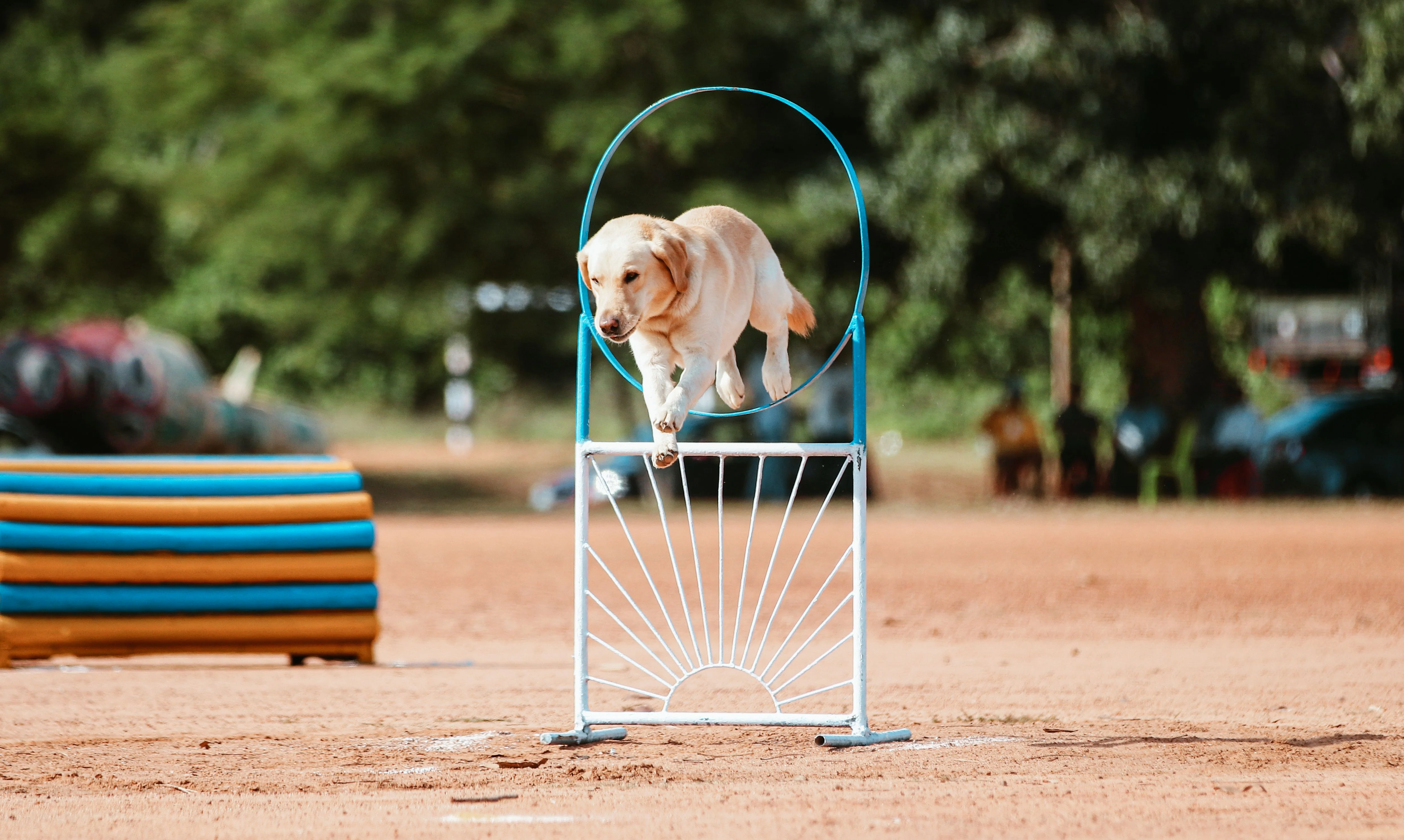
You've seen the videos — a Border Collie weaving through poles at lightning speed, launching over jumps, shooting through tunnels with a look of pure joy. It looks thrilling. It looks like a lot of fun. And somewhere in the back of your mind, you wonder: Could my dog do that?
The answer, more often than you'd think, is yes.
Dog agility is one of the fastest-growing dog sports in the country, and it's no longer just for elite athletes or working breeds. Whether you have a Labrador, a rescue mutt, or a senior hound who moves at his own pace, agility might be exactly what you — and your dog — have been missing.
Here's everything you need to know to figure out if it's the right fit.
What Is Dog Agility, Exactly?
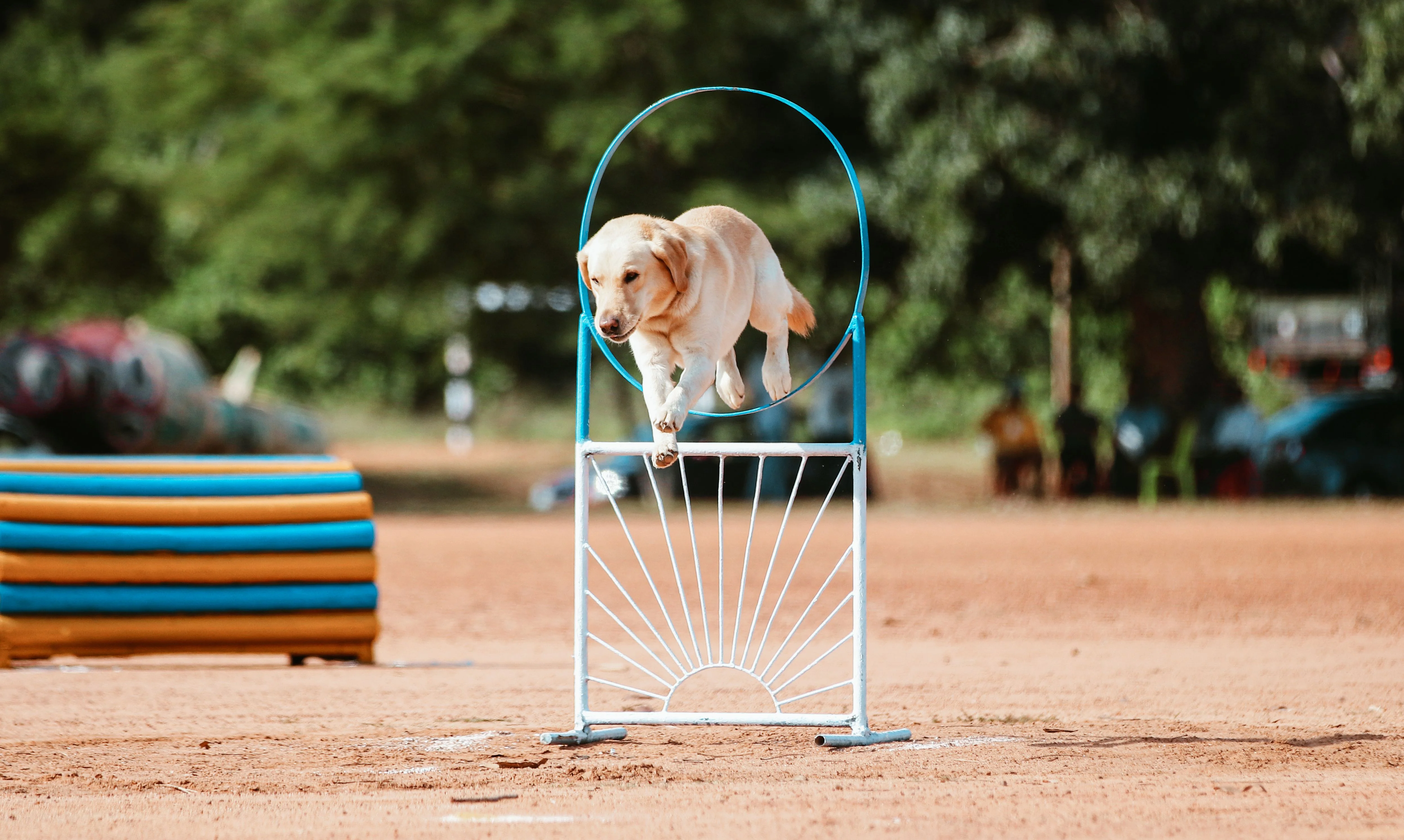
At its core, agility is an obstacle course sport. Dogs navigate a timed course that includes jumps, tunnels, weave poles, A-frames, seesaws (teeters), and pause tables — all directed by their handler running alongside them. There are no leashes. No food in hand. Just communication, trust, and a whole lot of teamwork.
It's part athletic competition, part puzzle, and part relationship-builder. The dog learns to read their handler's body language and cues; the handler learns to think fast, move clearly, and trust their dog. When it clicks, it's genuinely one of the most rewarding things you can do together.
Who Is Agility For?
Here's the myth worth busting right away: agility is not just for Border Collies.
All breeds — including mixed breeds — can participate in agility, from the smallest to the largest of dogs. The American Kennel Club's agility program is open to every dog regardless of breed or registration status, and their beginner resources walk you through exactly what you and your dog need to get started, including how to assess whether your dog's temperament is a good fit for the sport.
The most important factor isn't pedigree, size, or speed. It's motivation. Does your dog enjoy playing with you? Do they like earning rewards? Are they reasonably comfortable in new environments? If yes, you likely have a great agility candidate.
What Does Your Dog Need Before Starting?
You don't need a dog who knows advanced tricks. But a few foundational skills will make the transition into agility much smoother:
Basic obedience. Sit, stay, come, and loose-leash walking give you a common language with your dog. Agility builds on that vocabulary.
Engagement with you. Agility is fundamentally a team sport. A dog who finds their handler interesting and rewarding to work with will learn much faster than one who's always scanning for something more exciting.
Physical health and the right age. Dogs younger than a year old may be at risk of damaging their growth plates, so for puppies it's best to focus on foundational obedience and control exercises before the dog fully matures. On the other end of the spectrum, senior dogs aren't automatically excluded — the USDAA (United States Dog Agility Association) offers Veterans classes with lower jump heights for older dogs, and their Intro Program is specifically designed to help new competitors and dogs measure accomplishments in the early stages of training. If you have any health concerns, always talk with your veterinarian first.
Comfort with novelty. Agility equipment can look strange and feel unstable underfoot. A dog who's curious rather than terrified about new objects will adapt much more quickly.
What About Reactive or Anxious Dogs?
Many dog owners assume their reactive or nervous dog couldn't handle agility. In reality, agility is often used as a therapeutic tool for exactly these dogs.
Working through an obstacle course with a trusted handler builds confidence, focus, and impulse control. It gives anxious dogs a structured, predictable activity that channels their arousal productively. Many trainers incorporate agility elements into programs for reactive dogs precisely because of these benefits.
That said, a reactive dog shouldn't walk straight into a group agility class. They need a solid behavior foundation first. If your dog struggles with reactivity, addressing that underlying anxiety is always the right first step — and once they've made progress, agility can become a powerful tool in their continued growth.
How Do You Get Started?
Step 1: Try it before you commit. Local pet fairs and expos often have "try it rings" with agility equipment where a trainer can help bring your dog through an easy obstacle course. This low-pressure exposure tells you a lot about whether your dog is curious and engaged — or overwhelmed and uninterested.
Step 2: Find a beginner class. Look for instructors who use positive reinforcement methods — food, toys, and praise rather than pressure or punishment. Beginner courses introduce you and your dog to obstacles at a comfortable pace, with most classes meeting once a week for about an hour.
Step 3: Practice at home. Practicing at home is just as important as class time. Start small — teaching your dog to go through a hula hoop, jump over a broomstick, or walk across a wobble board builds the body awareness and confidence that translates directly to real agility equipment.
Step 4: Work with a specialist. For NYC dog owners, Dog Training's agility program offers science-based, force-free sessions led by a CPDT-KA certified trainer with a PhD in Behavioral Neuroscience — training city dogs in real urban environments across Manhattan, Brooklyn, and Queens. It's agility built around how your dog actually lives, not a one-size-fits-all curriculum.
What If My Dog Isn't "Sporty"?
Here's the thing: you don't have to compete. Ever.
Many people take agility classes simply because their dog loves it — and because the bond it builds is unlike anything else. A dog who learns to trust you enough to navigate an unfamiliar seesaw or weave through a line of poles while ignoring every distraction is a dog who is deeply connected to their handler.
Agility doesn't have to mean trophies and trials. It can simply mean a better relationship, a more confident dog, and a really good reason to get outside together a few times a week.
Is It Right for Your Dog?
Ask yourself:
- Does my dog like playing with me?
- Do they respond to food or toy rewards?
- Are they physically healthy and cleared for activity?
- Do they show curiosity rather than panic in new environments?
If you answered yes to most of those, there's a good chance agility could be one of the best things you do for your dog — and for yourself.
The jumps don't have to be high. The weave poles don't have to be fast. The only requirement is that you and your dog are having fun doing it together. And that part? That part is easier than you think.