Sign up with Google
 Sign in with Zoho

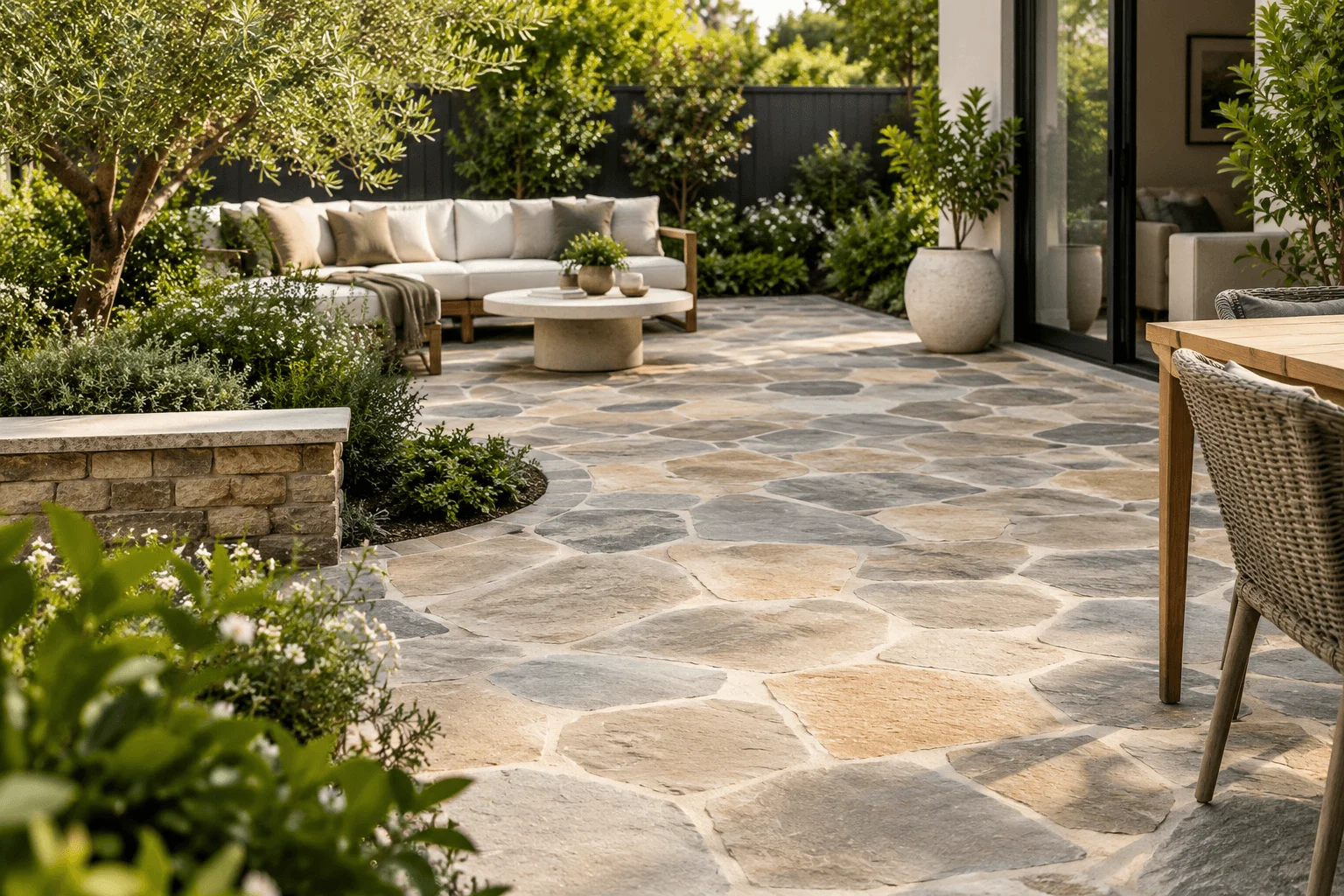
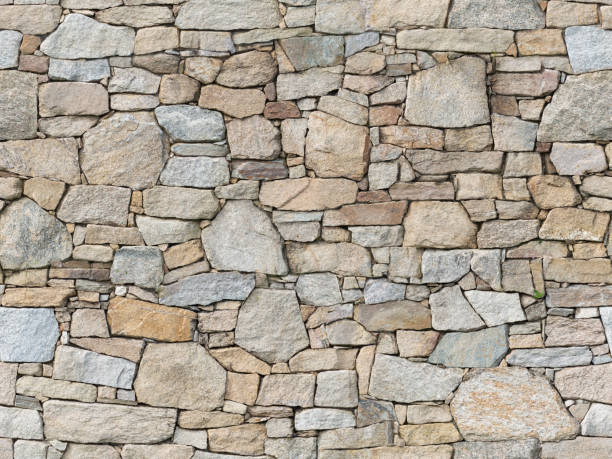
Unlike square tiles, crazy pavers do not follow straight lines. Their shapes, colours and sizes bring variety to the surface. But too much variation in one place can make the design feel crowded. A few simple decisions can help keep that natural look without losing the sense of order.
Choose the Right Stone and Colour Palette
Stone colour can affect how the paving fits into the rest of the garden. A shade that looks attractive on its own may not work as well beside a dark wall or brightly coloured bed with garden stones.
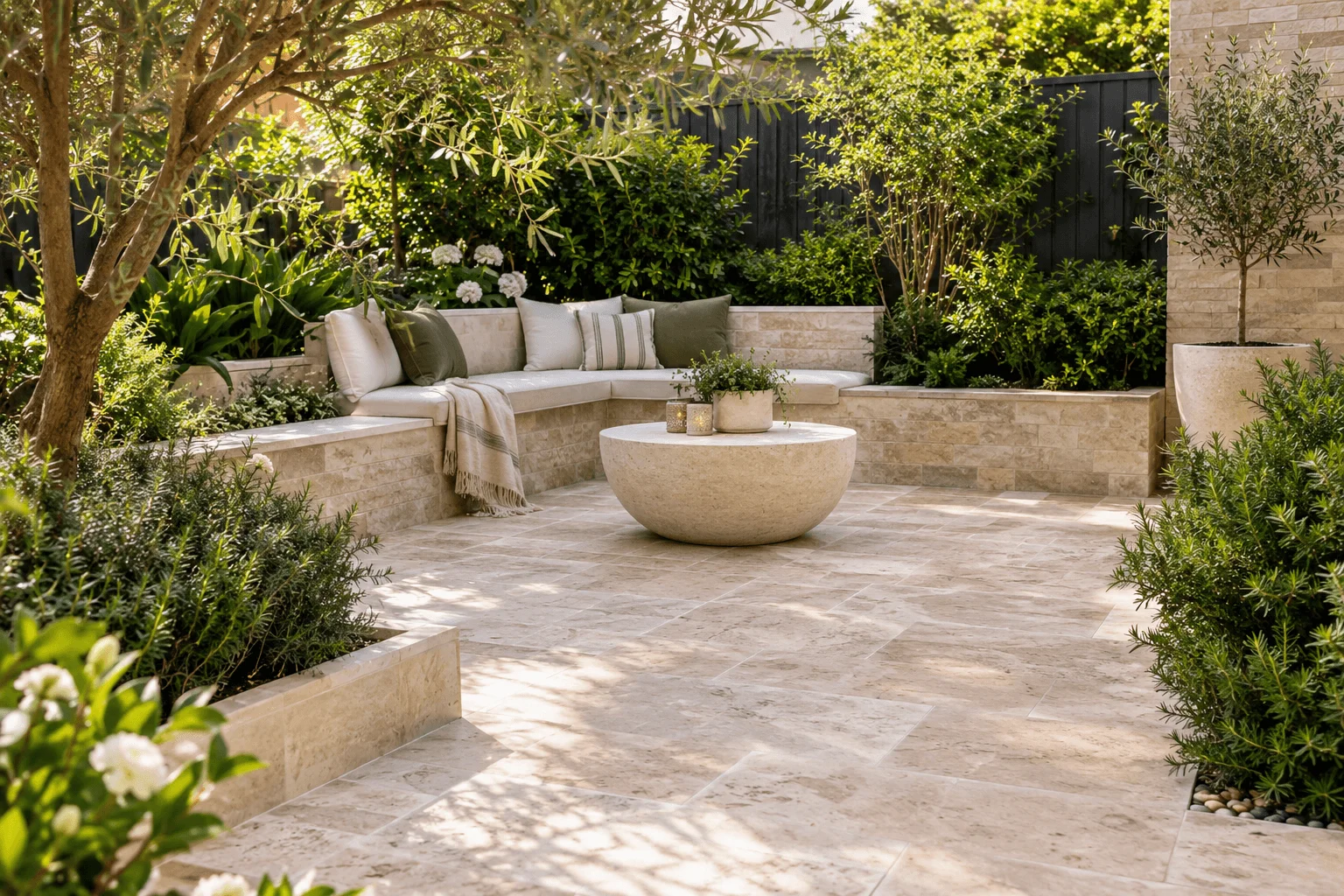
Sandstone has warm tones that suit timber and green plants. Bluestone offers grey and blue-grey shades for a more modern setting. Limestone is a useful option for softer, neutral designs, while travertine has natural changes in colour and texture.
Rather than choosing a stone only from a product photo, it helps to consider the other materials around it. Try these:
- For warm settings: Sandstone can sit well beside timber, brick and earthy colours
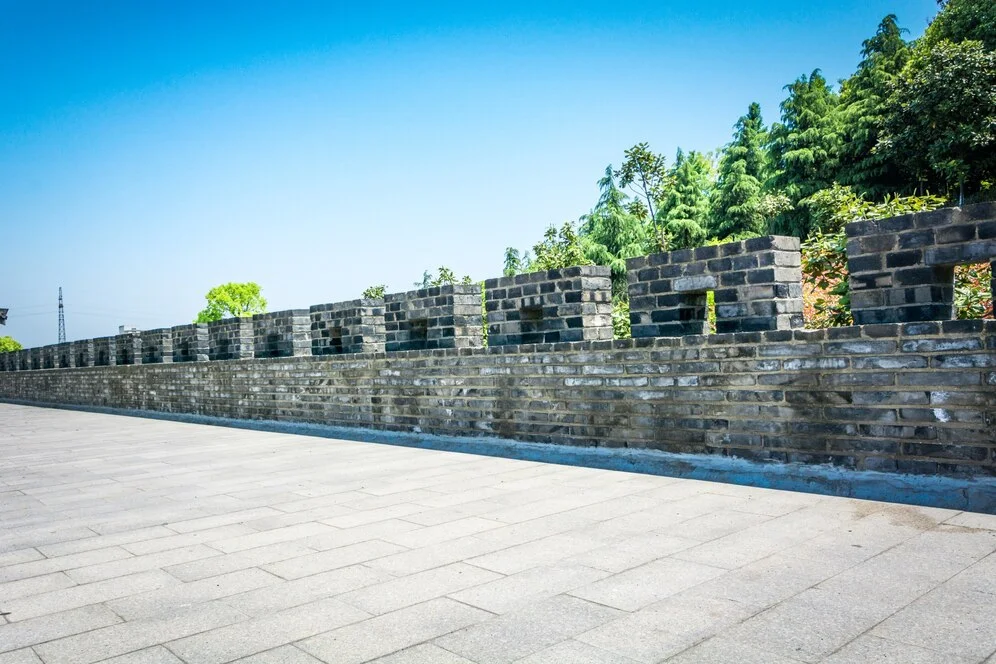
- For modern spaces: Grey or blue-grey stone can complement simple walls and dark outdoor furniture
- For a softer look: Lighter limestone or travertine may work well with pale walls and green planting
The aim is not to make everything match. A few colours that work well together can give paving a clear direction.
Get the Piece Sizes Right
Crazy paving looks different depending on how many small and large pieces appear across the surface. This is easy to miss when looking at individual stones.
Large stones can suit a straight garden path, but they may be harder to fit around bends. On a wider patio, mixing large and small pieces can make it easier to fill the space and work around awkward corners.
A balanced layout often includes:
- Larger pieces that give the eye a place to rest
- Smaller stones that fit around uneven edges
- A spread of different sizes across the whole area rather than in separate groups
The shape of the space matters, too. A long path and a square patio may need different arrangements, even when they use the same stone.
Pick a Grout Colour That Complements the Stone
The space between each piece is part of the design. Grout that blends with the stone can make the surface feel more connected. A contrasting colour draws attention to the outline of every piece.
For example, dark grout around pale sandstone creates a stronger pattern. A closer shade may give the same paving a quieter appearance.
Before settling on a colour, it may help to think about the effect you prefer:
- Low contrast: The stone remains the focus
- High contrast: The shapes and joints become more noticeable
- A middle ground: Slight differences in colour add definition without making every joint stand out
The jointing material should also suit the stone, installation method and outdoor conditions. Colour is only one part of that decision.
Laying Patterns That Look Thoughtful, Not Random
There is no single pattern that works for every crazy paving project. The key is to avoid leaving the entire layout to chance.
Before laying the stones, it helps to try a few arrangements on the ground. Some pieces may fit together well straight away, while others might leave awkward gaps. Moving them around a little can make a difference.
- Stone placement: Step back and look at the whole patio. A layout that looks fine up close may look different from a distance
- Colour: Try not to keep all the dark stones in one corner. Mixing them with lighter pieces can help the colours sit better together
- Edges: Check where the stones meet the lawn or garden beds. These spots may need a little extra care to get a neat finish
The stones do not need to follow a set pattern. A bit of variation is what gives crazy paving its character.
Where Can Crazy Paving Work Outdoors?
Crazy paving can suit different parts of a garden, although each area has its own needs.
- Patios: A mix of stone shapes can give a seating area character without relying on extra decoration.
- Garden pathways: A clear route and suitable surface help the path work as well as it looks.
- Courtyards: Natural variation can add interest to a small space where there is little room for other features.
- Pool surrounds: Stone selection needs extra care. Slip resistance, drainage and suitability for wet areas should be checked before installation.
When comparing Pavers for Outdoors, it is worth looking at the intended use first. The right product for a decorative garden corner may not suit a busy walkway or a wet pool area.
Common Mistakes to Avoid
Some layouts become too busy because several design choices compete at once. These are a few things worth checking before the stones are laid.
- Using too many colours without a clear connection between them
- Placing most small pieces in one section
- Choosing grout that makes every joint stand out
- Leaving awkward gaps along walls or garden edges
- Picking stone based on appearance without checking its suitability for the area
Make Every Piece Work Together
Crazy paving is meant to have variation. The trick is deciding where that variation adds interest and where it starts to feel distracting. Stone colour, piece sizes, grout and edges all play a part. With a little planning, the finished area can keep the natural character of irregular stone while still feeling connected to the rest of the garden. Comparing samples and exploring suitable crazy pavers can help you find a style that works for your space.
Disclaimer: The information provided in this blog is to the best of our knowledge and intended as a general guide. We recommend confirming all details based on your specific project requirements before execution.