Sign up with Google
 Sign in with Zoho

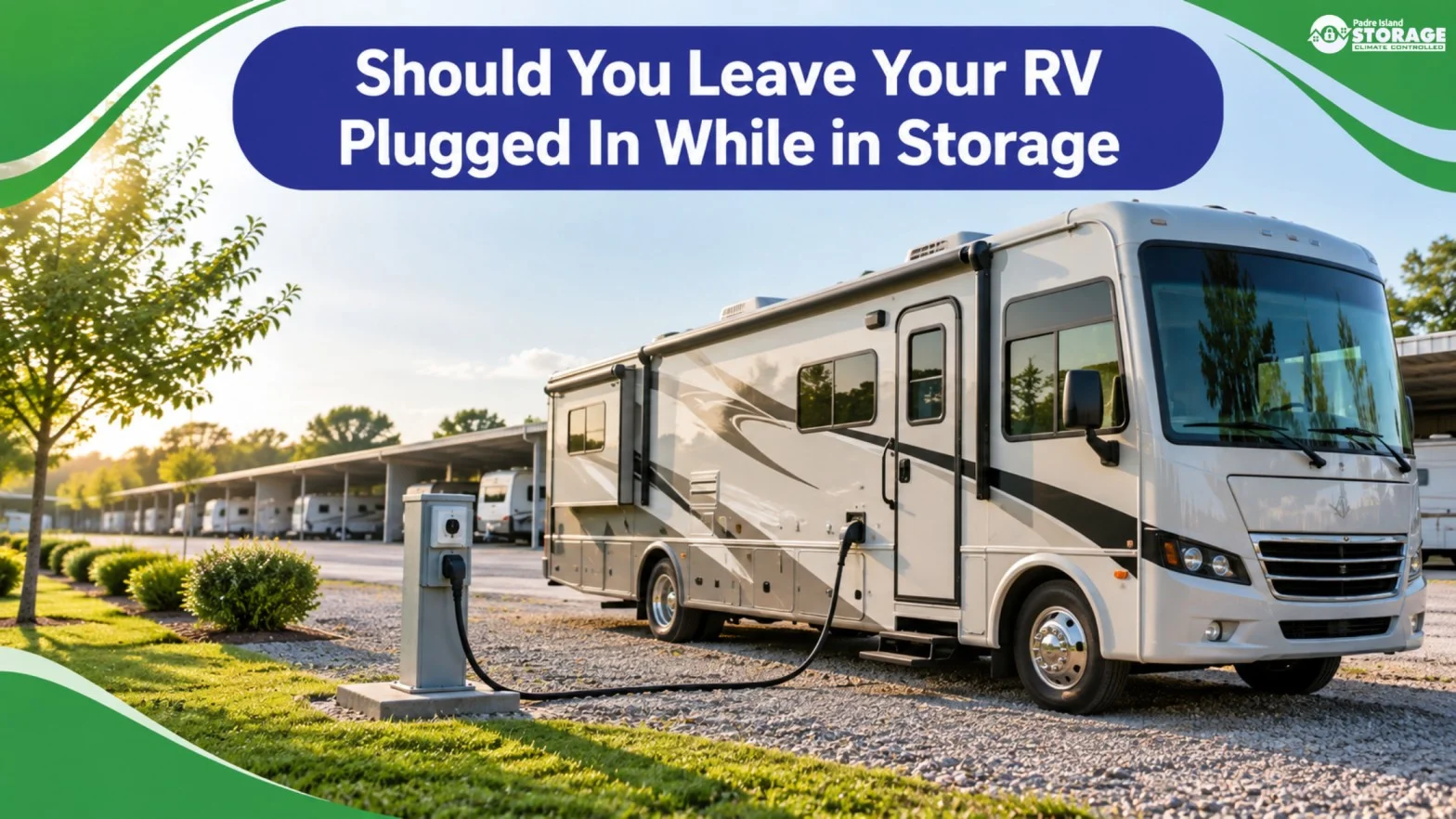
Whether you should leave an RV plugged into shore power during storage depends mainly on the type of battery and charger installed in the RV. Weeks later, you may wonder whether leaving it connected to shore power was actually the right decision.
Older converters may overcharge batteries, so check the RV manufacturer's guidance before leaving it plugged in for an extended period. When preparing for RV boat storage, it is better to disconnect the power completely.
It is a common concern because the wrong electrical setup during storage can reduce battery life, increase maintenance costs, and even create avoidable safety risks.
After understanding your charger, battery type, and storage period, you can keep your RV ready for your next trip. This blog examines the results of leaving your RV plugged in while in storage.
Why Do RV Batteries Need Special Attention?
Your recreational vehicle's battery powers several systems depending on its electrical design when it is not operating. The battery powers the RV's interior lighting, clocks, safety systems, entertainment systems, and other small appliances.
When batteries are discharged for too long, their lifespan decreases. Replacing RV batteries can get pricey because an RV may use several deep-cycle batteries. The best way to avoid these problems and prevent discovering a dead battery when you're preparing to leave before your next trip is proper battery maintenance.
Is It Safe To Leave Your RV Plugged In?
The answer depends largely on the charging system installed in the RV. Most newer RVs come with smart converters or multi-stage chargers that automatically monitor battery voltage. Once the battery reaches its full capacity, these chargers reduce the charging level to help prevent overcharging while maintaining battery health.
Many simple converters in older RVs may not reduce the charge rate after reaching a set level. Charging a battery for several months without interruption can damage it. This can cause water loss and overheating, but the damage can be permanent. In this situation, overcharging is the most likely cause.
Before leaving your RV plugged in during storage, check your owner's manual and confirm your RV's charging system type.
Benefits of Keeping Your RV Connected To Shore Power
If your RV has a charger designed for continuous shore-power connection and its charging profile matches your battery type, leaving it connected may be appropriate for storage. Check the RV and battery manufacturer's recommendations before doing so.
Make Travel Preparation Easier
Few things are more frustrating than discovering dead batteries before a trip. Keeping your RV connected to RV shore power means you are more likely to experience a smoother departure with surprising issues.
Protects Electronic Systems
Many owners want to keep monitoring systems, clocks, security devices, and other electronics running smoothly while the batteries stay properly maintained.
Keeps Batteries Fully Charged
Smart chargers keep batteries fully charged by reducing the risk of overcharging, extending battery life, and ensuring your RV is ready for your next trip.
When Leaving Your RV Plugged In Is Not Recommended
Some situations call for disconnecting your RV from power.
Older Charging Equipment
If your RV uses an older converter without automatic charging controls, continuous charging can damage the batteries over time.
Long Periods Without Inspection
If your RV will stay in storage for several months without anyone checking on it, occasional inspections are still recommended. Even modern charging systems should be monitored periodically to confirm they are operating correctly.
Poor Electrical Connections
Exposed extension cords, damaged outlets, or other damaged electrical connections increase fire risk. If you spot anything unsafe regarding your RV's electrical system, do not connect it to any power supply.
Other Options Instead Of Continuous Charging
If you also own a boat, you may want to consider whether your outdoor boat storage facility can accommodate both vehicles. There are also various options to keep the batteries in good condition.
Disconnect The Batteries
Some RV owners disconnect the battery cables to stop the small electrical draws from onboard equipment. Although this step helps reduce battery drain, the batteries still need regular RV battery charging during storage to prevent deep discharge.
Use An RV Battery Maintainer
An RV battery maintainer delivers a small amount of power only when the battery needs it. Unlike a standard charger, it helps prevent the battery from slowly losing its charge while reducing the risk of overcharging. For many RV owners, it is one of the most reliable and widely used options for seasonal storage.
Remove The Batteries
In various areas with extreme cold winters, some owners remove their batteries and store them indoors where temperatures are more stable. Even when stored inside, the batteries should still be charged regularly throughout storage.
How Weather Impacts Battery Storage
Weather heavily affects battery performance and lifespan. Cold winters will slow RV battery performance. A partially charged battery is much more likely to freeze than a fully charged one. Batteries age faster because temperature affects battery performance, charging, self-discharge, and chemistry.
This process shortens a battery's service life. Irrespective of the season, maintaining the proper charge remains one of the best ways to protect your RV batteries.
Tips For Long-Term RV Storage
Whether you store your RV for a month or several months, these steps can help keep it in excellent condition.
Preparing The RV For Storage
Start by washing the RV to remove salt, dirt, and bugs. Don't forget to clean the inside, because pests are attracted to dirty RVs.
Turn Off Unnecessary Electronics
Turn off all unnecessary appliances and take out all cords and devices.
Check And Clean Battery Connections
Corrosion on battery terminal contacts reduces charging efficiency. Before storing the RV, clean and check the battery contacts.
Cover Roof Vents When Necessary
Cover roof vents when required to minimize moisture and frosty weather from entering the RV. Proper ventilation is important for controlling condensation. The storage environment and manufacturer’s recommendation should determine what is appropriate.
Check Tire Pressure
Move your RV occasionally or use the tire manufacturer's recommendations, considering weight, and maintain proper inflation and support procedures appropriate to the RV to prevent flat spots.
Selecting The Right Storage Facility
Even the best battery care cannot replace quality RV storage. A good storage facility provides secure access, ample parking space, and a clean environment.
Many storage facilities even provide shore power hookups for RVs during maintenance. Many modern RV batteries require minimal maintenance and system design, though flooded lead-acid batteries still need periodic inspection and water-level checks. If you own both an RV and a boat, a facility that stores both is a real convenience. Also, lithium batteries have different charging and low-temperature considerations from lead-acid batteries.
Most facilities that provide RV and boat storage become a perfect place for RV owners because they allow you to store all recreational equipment in one secure location.
They should also consider facility rules for plugged-in vehicles, security controls, surveillance, space dimensions, drainage, and climate control. Self-storage facilities provide storage solutions that help protect valuable recreational vehicles year-round.
Secure And Protect Your RV With RV Boat Storage To Travel With Confidence
Perfect battery care is a necessary part of protecting your RV during storage.
Following good RV battery maintenance habits, staying on top of RV battery charging, and choosing a secure location for RV boat storage can help you prevent expensive repairs and ensure your RV is ready for your upcoming adventure.
If you choose a self-storage facility that offers secure access and optional electrical hookups, managing your RV during long-term storage becomes much easier.
Choosing a trusted self-storage facility provides peace of mind by keeping your RV accessible and ready to hit the road whenever you are ready to travel. If you are searching for climate-controlled storage Corpus Christi, choosing a well-maintained, secure facility can protect your RV year-round.