Sign up with Google
 Sign in with Zoho
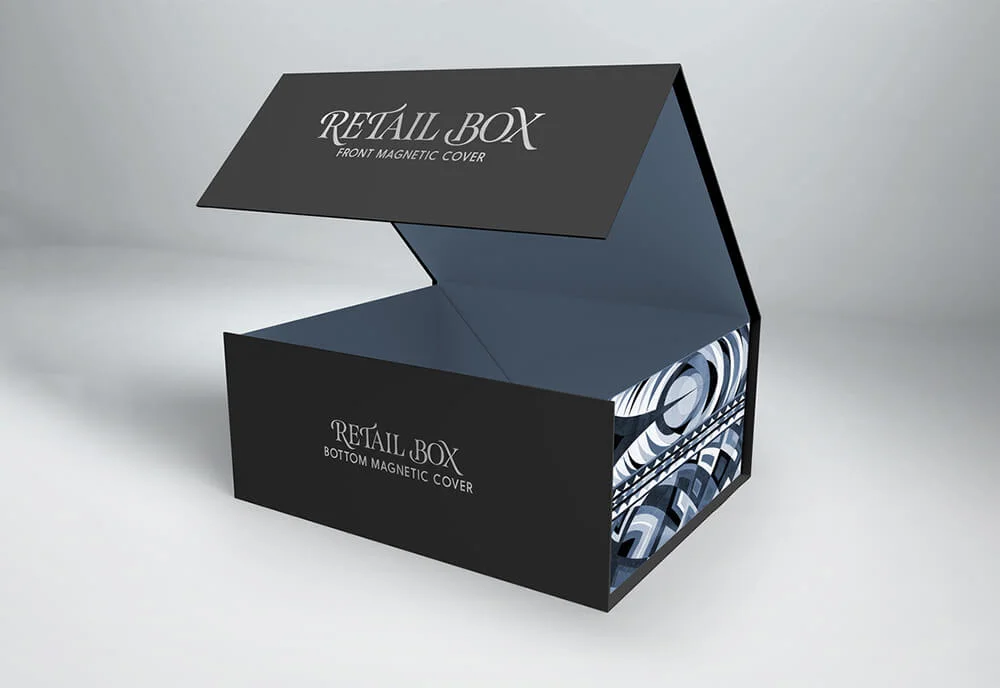
Here’s a small test. Next time you’re in a shop, watch what people do with products. They pick one up, turn it over, put it back, pick up another. What decides which one goes in the basket? More often than not, it’s the box. Good retail boxes don’t just hold a product. They give people a reason to trust it, and that happens in the first few seconds.
If you’re planning packaging for a new product or refreshing an old one, here’s what I’d focus on.
A Box Has Three Jobs
First, it protects the product. Items get packed, shipped, stacked, and handled by plenty of people before they reach a customer. Second, it introduces your brand. Colors, fonts, and finishes all say something about the kind of company you are. Third, it helps people decide. Clear information on the box, like what’s inside, what it does, and how to use it, answers questions before they’re asked.
When a box handles all three, it earns its cost. When it only manages one, you’re leaving sales on the table.
Get the Fit Right Before Anything Else
Before you think about colors, get the dimensions right. Measure your product at its widest, tallest, and deepest points, then decide how much cushioning it needs. A box that’s even a few millimeters off can look sloppy or let the product move around in transit.
It’s also worth thinking about where your boxes will live. Shelf display, hanging hooks, online orders, and gift sets all call for slightly different structures. A tuck-end box is a classic for a reason, but a sleeve, a two-piece box, or a box with a window might suit your product better.
Materials: Match Them to Your Brand
Paperboard is the most common choice, and for good reason. It’s light, prints well, and keeps costs sensible. If your product is heavier, corrugated board gives you more strength. Kraft has a warm, natural feel that works nicely for organic, handmade, and eco-conscious brands. And if you’re selling something premium, rigid board gives you that solid, expensive feel the moment someone lifts the lid.
Many customers now care about what packaging is made from. Recyclable or responsibly sourced materials can be a small detail that makes a big difference in how your brand is seen.
Design: Less Clutter, More Impact
A cluttered box makes people work too hard. Choose a clear focal point, usually your logo or product name, and let everything else support it. Two or three colors are often plenty.
Finishes can add something special without much extra effort. Matte coating feels smooth and modern. Gloss makes colors pop. Foil stamping and embossing add a touch of luxury, and a window cut-out lets people see what they’re buying. Pick the ones that match your brand’s personality rather than using every option available.
Also leave room for the necessary stuff: barcode, ingredients or materials, instructions, and any legal wording. It’s much easier to plan for these at the start than to fit them in later.
Small Mistakes That Get Expensive
A few errors come up constantly. Approving artwork without checking a physical sample is a big one, since colors on a screen rarely match colors on paper. Using low-resolution logos is another, and it leads to blurry, unprofessional printing. Some brands also order the wrong quantity, either so few that each box costs too much, or so many that stock sits around for months.
A sample and a printed proof take a little extra time, but they can save you from reprinting an entire run.
Working With a Packaging Supplier You Can Trust
The right partner makes everything easier. Look for clear communication, flexible sizing, honest timelines, and upfront pricing. If they’re willing to guide you on structure and materials rather than just taking an order, even better. A company like Eagle Packaging can help you work through the options and avoid the usual pitfalls, which is especially handy for first-time orders.
The Bottom Line
You don’t need the flashiest box on the shelf. You need one that fits the product, reflects your brand honestly, and makes the customer feel good about picking it up. Start with the basics, test a sample, and build from there. The brands that do this well are usually the ones people remember.