Sign up with Google
 Sign in with Zoho

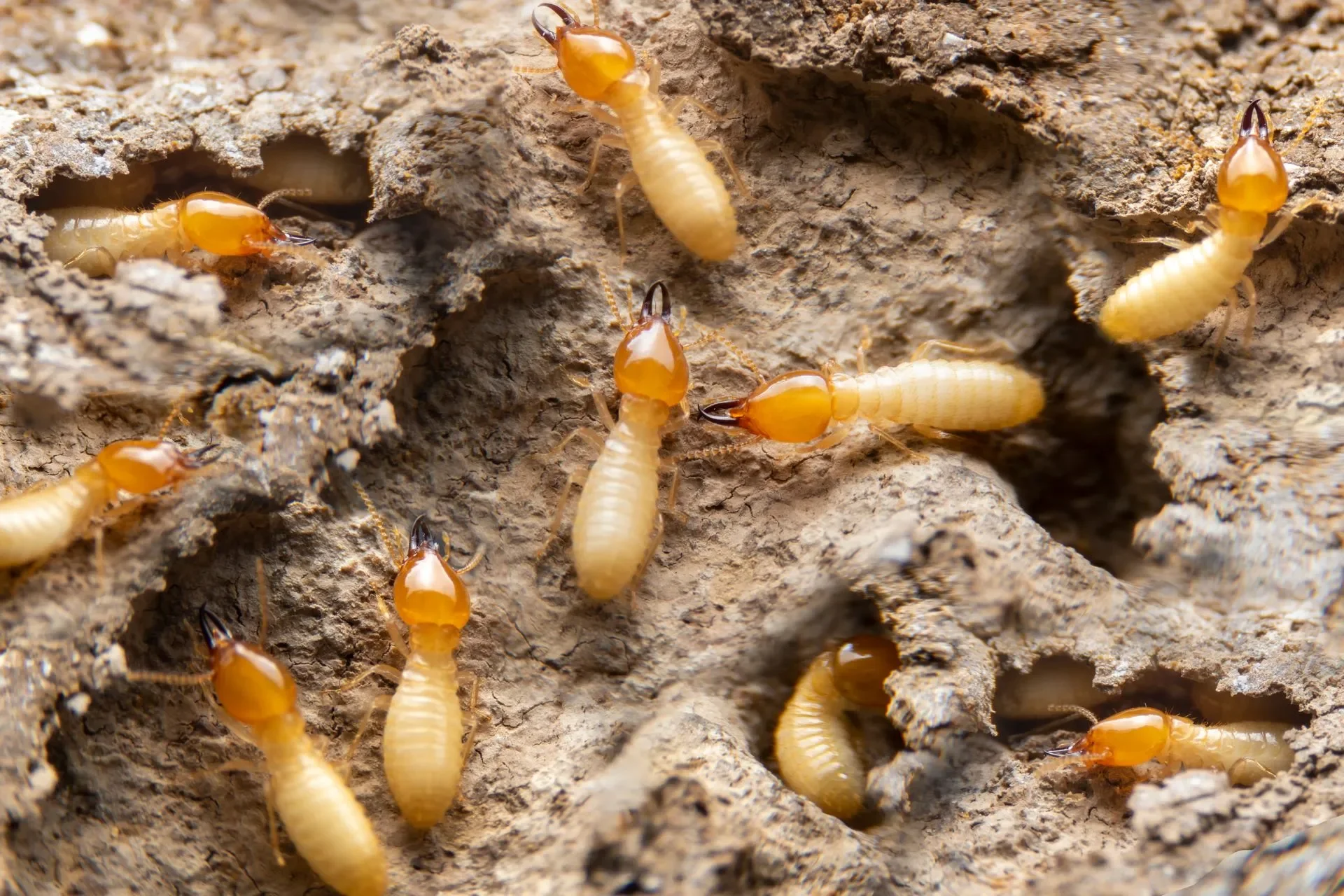
Most people find out they have termites the hard way. A door’s been sticking for months, someone finally forces it open, and there it is: wood gone soft and papery where it should be solid. Termite Control in Fort Worth doesn’t really get a winter, so termites here barely slow down, and a colony can chew through a house for the better part of a year before anything looks wrong from the outside.
Why This Happens So Often Around Here
A lot of it comes down to what’s touching the foundation. Mulch piled against the brick, a tree root running close to the slab, firewood stacked right up against the siding. These are all the bridges termites use to get from soil to wood without crossing open air. Tarrant County clay doesn’t drain fast, either, so after a hard rain the ground near a foundation can stay damp for days, and termites go straight for that.
Older neighborhoods have their own thing going on. Foundations poured decades ago tend to have more small gaps than anything built to current code. New construction isn’t really off the hook, though. Crews sometimes bury offcuts and scrap lumber near the foundation, and that wood just sits there waiting for a colony to find it before the sod’s even down.
Pier-and-beam homes are worth a separate mention. The crawl space underneath gives termites a straight shot at the floor joists. Honestly, these homes need more frequent eyes on them than one sitting on a slab.
What to Actually Look For
Mud tubes running up the foundation, roughly pencil-width. Wood that sounds hollow when you knock on it, or crumbles at the edges if you press. Piles of shed wings near a windowsill after a swarm. Pinholes in drywall with a dusting of what looks like fine sawdust. A door or window that suddenly won’t sit right in its frame anymore.
Any one of those is worth a phone call. Termites don’t announce themselves, and the six months between “I should probably check on that” and actually checking is exactly when the damage piles up.
Two Different Problems
Subterranean termites are the ones building those mud tubes, working up from the soil, and they’re what most Fort Worth homeowners actually deal with. Drywood termites show up less often here but they’re trickier. They live entirely inside the wood and never touch the ground. You usually don’t know they’re around until a swarm shows up in a window one afternoon.
Treatment isn’t the same for both. Subterranean colonies usually respond to a liquid barrier around the foundation, or bait stations set up nearby. Drywood infestations sometimes need the affected wood treated directly, and in worse cases the whole structure gets tented for fumigation.
Getting a Professional Set of Eyes on It
A decent inspection covers the crawl space, attic framing, under the deck, anywhere wood meets soil. A moisture meter catches damp spots before they’re visibly rotten. The whole thing usually takes under an hour for a normal-sized house, not a huge ask, all things considered.
Once a year is a reasonable rhythm even if nothing looks off, since colonies can be active for a year before you’d notice anything from inside. If you’re getting ready to sell, do this sooner. A lot of buyers ask for a termite report before closing, and that’s a much easier conversation to have on your own timeline than during someone else’s inspection.
Fort Worth homeowners who want this handled can reach out to One Stop Pest & Termite Control. Their technicians work this soil and this climate every day. They know what to check, where to check it, and they’ll build a treatment plan around whichever termite type is actually causing trouble. A short visit now beats a much longer conversation about repair costs down the line.
One Stop Pest & Termite Control, Inc. is a family-owned pest control company serving Fort Worth, Arlington, Dallas, and the surrounding area for more than a decade. Learn more at onestoppest.com.
Source: https://xuzpost.com/termite-control-in-fort-worth-warning-signs-every-homeowner-should-know/