Sign up with Google
 Sign in with Zoho

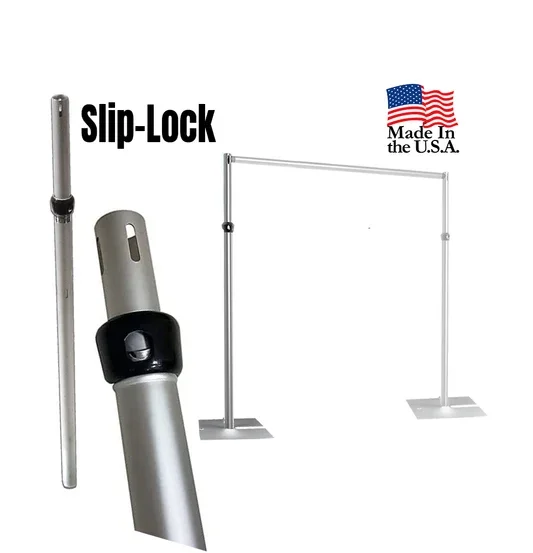
Walk into an empty banquet hall or a bare warehouse space, and it's hard to picture it as anything special. Concrete floors, exposed walls, maybe some awkward support columns in the middle of the room. Yet somehow, event professionals regularly transform spaces like this into elegant, cohesive venues, and a big part of that transformation comes down to pipe and drape poles, a surprisingly simple system that reshapes how a space looks and functions.
Let's look at how this system actually works, and why it's become such a reliable tool for changing the feel of a venue.
What Pipe and Drape Actually Is
At its core, the system is straightforward. Adjustable metal poles form a freestanding frame, and fabric panels hang from that frame to create walls, backdrops, or dividers wherever they're needed. Since nothing is permanently attached to the venue itself, the entire setup can be configured differently for each event, then broken down and stored until the next booking.
That flexibility is really the whole appeal. A single set of poles and drapes can serve a wedding one weekend, a corporate conference the next, and a trade show after that, simply by adjusting height, spacing, and fabric color to match the occasion.
Dividing Large Spaces Into Something Usable
One of the most practical uses for this system is breaking up an oversized room into sections that actually feel proportional to the event happening inside. A cavernous convention hall can feel cold and impersonal for a smaller gathering, but adding drape sections to narrow the effective space creates a much more intimate, comfortable atmosphere without the expense of a smaller venue.
A Few Common Ways Spaces Get Divided
● Separating a ceremony area from a reception space within the same room
● Creating backstage or staging zones hidden from guest view at conferences and performances
● Sectioning off registration or check in areas at larger trade shows
● Dividing a single venue into multiple simultaneous event spaces
Hiding What Guests Don't Need to See
Every venue has areas that work perfectly fine functionally but don't exactly add to the atmosphere, storage corners, exposed wiring, catering staging areas, or unused equipment sitting along a wall. Drape panels offer a quick, clean way to conceal these areas without needing permanent construction or renovation.
This matters more than it might initially seem for the overall guest experience. A polished, cohesive looking space feels more intentional and higher end, even when the underlying room has some rough edges that simply got covered up rather than fixed.
Creating a Backdrop That Sets the Tone
Beyond dividing space, drape systems are frequently used purely for visual effect, creating a backdrop behind a head table, a stage, or a photo area. Fabric color and texture play a big role here, with different combinations creating entirely different moods for the same underlying room.
A deep navy or black backdrop tends to feel formal and elegant, well suited to corporate galas or upscale weddings. Lighter, softer tones create a more relaxed, romantic feel, often favored for daytime weddings or bridal showers. This flexibility means a single system can be styled dramatically differently depending on what the event actually calls for.
Why Adjustability Matters So Much
Not every venue has the same ceiling height, and not every event calls for the same coverage. Adjustable poles solve this practically, telescoping to fit different room dimensions rather than requiring a completely different set of equipment for every venue an event professional might work in.
This adaptability is a big part of why the system has remained popular across so many different event types over the years. A single, well maintained set of poles can realistically serve dozens of different venues and configurations over its working life.
A Practical Scenario Worth Considering
Picture a hotel ballroom being used for a corporate awards dinner. The room itself is large, somewhat generic looking, with visible doors leading to a kitchen and storage area along one wall. Draping that entire wall creates an immediate visual upgrade, hiding the utilitarian doors while adding a clean, formal backdrop behind the head table. The same room, without that draping, would feel noticeably less polished, even with identical catering and decor everywhere else.
What to Consider When Setting Up a System
Getting the most out of a pipe and drape setup comes down to a bit of planning before the event itself.
● Measure ceiling height and room dimensions accurately before choosing pole lengths and fabric quantities
● Choose fabric weight appropriately, since heavier fabric drapes more elegantly but adds weight and setup time
● Plan spacing between poles to avoid visible gaps or sagging fabric across longer sections
● Consider how the drape color interacts with venue lighting, since certain fabrics shift tone dramatically under colored or dim lighting
Durability Matters for Repeated Use
For anyone using this system regularly, whether running a rental business or managing a venue that hosts frequent events, durability becomes a genuinely important factor. Poles need to hold up to repeated assembly and disassembly without bending or loosening at the joints, and fabric needs to withstand regular handling, folding, and occasional exposure to spills or stains without looking worn after just a handful of uses.
Investing in sturdier, higher quality components upfront tends to pay off considerably for anyone using the system on a recurring basis, rather than needing frequent replacements that add up over time.
A Simple System With an Outsized Impact
It's a bit remarkable how much a relatively simple system of poles and fabric can change the entire character of a room. Whether it's dividing a space, hiding unwanted elements, or creating an elegant backdrop, this kind of flexible, reusable equipment offers a genuinely practical way to transform almost any venue into something that fits the specific event happening inside it.
For anyone planning an event in a less than ideal space, or running a business that regularly transforms venues for different clients, understanding how to use this system effectively is well worth the time. A thoughtfully draped room can look like an entirely different venue from the one that started out bare and generic.