Sign up with Google
 Sign in with Zoho
.webp)
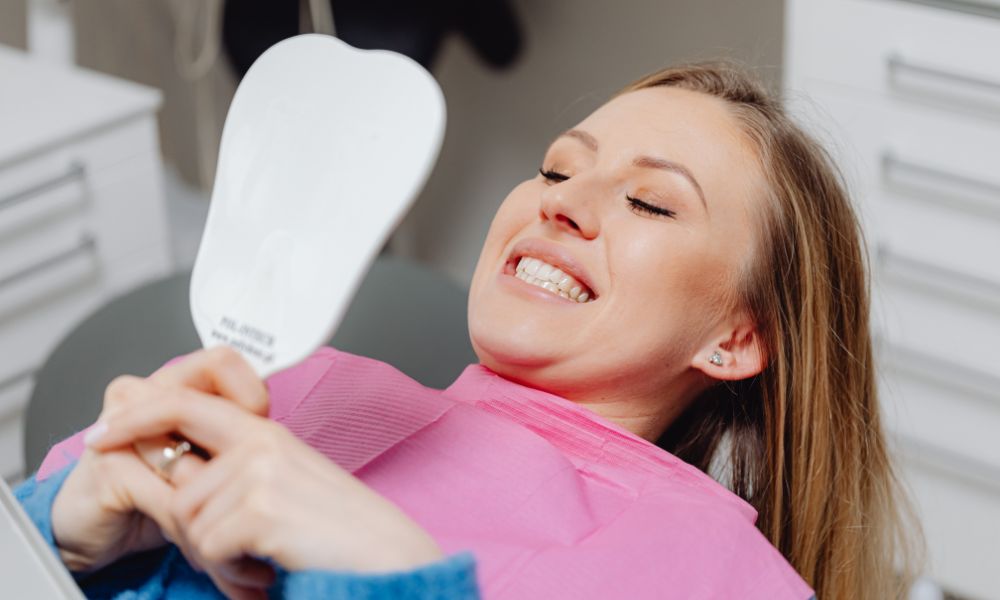
A bright smile can make you feel more confident in everyday life. It often helps create a positive first impression, whether you are meeting new people or simply smiling in photos. Over time, though, many people notice their teeth becoming dull or yellow, even when they brush regularly. This change usually happens slowly, so it may take a while before it becomes noticeable.
Many people want to improve the color of their teeth but are unsure how the process actually works. Knowing what causes stains and how whitening methods fix them can help you choose the right option with confidence. This article explains the process in a clear and simple way, without using complicated terms.
Why Teeth Lose Their Brightness
Teeth are not naturally bright white. Each tooth has layers, and the color you see depends on those layers and what happens to them over time.
Tooth Structure Made Simple
A tooth has three main parts:
- Enamel – the hard outer layer that protects the tooth
- Dentin – the layer under the enamel that has a yellow shade
- Pulp – the soft inner part that holds nerves and blood vessels
Enamel is slightly see-through. As it gets thinner or stained, the yellow color of dentin becomes more visible.
Everyday Causes of Stains
Many common habits can change the color of teeth, such as:
- Drinking coffee, tea, or cola
- Eating foods with strong color, like berries or sauces
- Smoking or chewing tobacco
- Not brushing and flossing properly
- Natural aging, which slowly wears down enamel
Some stains stay on the surface, while others sink deeper into the tooth.
Understanding Different Types of Stains
Not all stains are the same, and this affects how well whitening methods work.
Surface Stains
These stains sit on the outside of the enamel. They often come from food, drinks, and smoking. Surface stains are usually easier to remove and respond well to most whitening methods.
Deep Stains
Deep stains form inside the tooth. They can be caused by aging, certain medicines taken during childhood, or injury to a tooth. These stains are harder to treat and may need stronger or professional care.
How Whitening Changes Tooth Color
Whitening does not scrape or peel the teeth. Instead, it works through a gentle chemical process.
What Happens During the Process
Most whitening products use special ingredients that release oxygen. These oxygen particles move into the enamel and dentin layers. Once inside, they break down dark stain particles into smaller ones that are less noticeable.
This process makes teeth look lighter and brighter without changing their shape or structure.
Why Teeth Look Brighter Afterward
After stains are broken down, light reflects off the teeth more evenly. This makes the smile appear cleaner and whiter, even though the natural tooth remains the same.
Common Whitening Options Explained
There are different ways to whiten teeth. All of them work in a similar way, but they vary in strength and speed.
Professional In-Clinic Treatments
These treatments are done under dental supervision. They use stronger whitening gels and protect the gums during the process. Many people choose this option because results can be seen quickly, sometimes after just one visit.
Dentist-Provided Home Kits
Some people prefer to whiten at home using custom trays made by a dentist. These trays fit better than store-bought ones and help spread the gel evenly. Results usually appear over one to two weeks with daily use.
Store-Bought Products
Whitening strips, pens, gels, and toothpaste are easy to find. They use lower-strength ingredients and may take longer to show results. They work best for mild stains and regular upkeep.
What Whitening Can Fix and What It Cannot
It’s important to know what whitening can realistically do.
What It Can Improve
- Yellowing caused by food and drinks
- Dull color from aging
- Uneven shade across natural teeth
What It Cannot Change
- Color of crowns, veneers, or fillings
- Very dark internal stains
- Tooth shape, size, or alignment
Knowing this helps avoid disappointment and helps set clear expectations.
Is Whitening Safe for Teeth?
When done correctly, whitening is safe for most people.
Possible Short-Term Effects
Some people may notice:
- Mild tooth sensitivity
- Slight gum discomfort
These effects usually fade within a few days after treatment ends.
When to Be Careful
People with cavities, gum problems, or very sensitive teeth should speak with a dental professional first. Treating these issues before whitening helps avoid discomfort.
How Long Results Usually Last
Whitening results are not permanent, but they can last a long time with good habits.
Things That Affect How Long It Lasts
- Smoking or tobacco use
- Frequent intake of dark drinks
- Daily brushing and flossing habits
With proper care, results can last many months or even longer.
Simple Ways to Keep Teeth Bright
- Brush twice a day with proper technique
- Floss daily to remove hidden buildup
- Rinse your mouth after dark drinks
- Get regular professional cleanings
Good daily care helps maintain the effects of Teeth Whitening for as long as possible.
Common Myths About Whitening
There are many misunderstandings about whitening.
“Whitening Ruins Enamel”
When used correctly, whitening does not harm enamel. Problems usually happen only when products are overused or used incorrectly.
“Home Remedies Are Better”
Some home methods, like using lemon or baking soda, can damage enamel because they are acidic or rough. These methods may do more harm than good over time.
Final Thoughts
Whitening works by breaking down stains inside the tooth, not by removing or damaging enamel. It is a simple process that focuses on improving tooth color safely when done the right way.
By understanding how stains form, how whitening works, and how to care for your teeth afterward, you can make smart choices for a brighter, healthier-looking smile.