Sign up with Google
 Sign in with Zoho

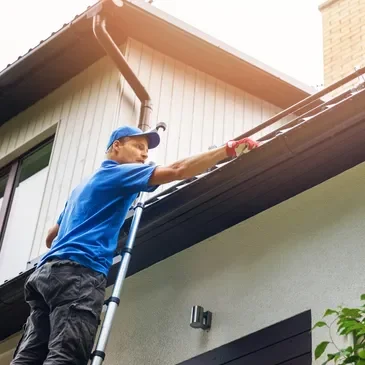
A leaking gutter doesn't seem like a big deal at first glance. But ignore it long enough, and it turns into a much bigger problem than it needed to be. Gutters exist for one job — catching rainwater off the roof and steering it safely away from your foundation. The moment water starts sneaking through cracks, spilling over at the joints, or running down behind the gutter instead of inside it, you're looking at potential damage to siding, landscaping, fascia boards, even the foundation itself.
The tricky part is that most gutter leaks build up slowly. You might not even notice until there's staining on the wall or water pooling somewhere it shouldn't be. That's exactly why regular checks matter — and checking right after a heavy rain is especially useful, since that's when you can actually see where the water's escaping or backing up.
Professional gutter repair steps in when leaks, loose sections, cracks, or damaged joints start throwing off the drainage. Smaller issues you can often handle yourself with basic tools. Bigger, recurring problems usually call for someone with more experience. Either way, understanding what's actually causing the leak is where you need to start.
Why Do Gutters Start Leaking?
Gutters take a beating year-round — rain, wind, temperature swings, leaves, branches, all of it. Eventually, something gives.
Clogged debris is probably the most common culprit. Leaves, pine needles, dirt, small branches — all of it piles up and blocks water from reaching the downspout. With nowhere else to go, water spills over the sides or forces its way through weak seams.
Loose fasteners cause their own set of problems. Gutters hang off the fascia using hangers, screws, brackets — and when those connections work loose, the whole gutter starts pulling away from the roofline. That gap is exactly where water sneaks in behind the gutter instead of staying inside it.
Then there's plain wear and tear — corrosion, impact damage, cracks and holes that show up over time. A small hole might not seem like much during light rain, but throw a real storm at it, and you'd be surprised how much water gets through.
How to Find the Source of a Gutter Leak
Don't start repairing anything until you actually know where the water's coming from. And that's not always obvious — water tends to travel along the gutter before it finally drips down somewhere visible.
Clear out the leaves and debris first so you can actually see the channel. Then check the bottom, the sides, the joints, the end caps, and every downspout connection.
A garden hose works well for testing this. Run water into one section at a time and watch closely — drips, overflow, water sneaking out behind the gutter, all of it.
Pay close attention to a few specific spots: the seams where sections connect, corners and end caps, the areas around downspout outlets, any visible cracks or holes, loose brackets, and sections that look like they're sagging.
Pinning down the exact source saves you from fixing the wrong thing — and it makes picking the right repair material a lot easier too.
How to Repair a Small Gutter Leak
Small cracks and holes tend to be the simplest fix. Start by cleaning and drying the damaged spot thoroughly — sealant bonds far better to a surface that's free of dirt, rust, and moisture.
Apply an exterior-grade gutter sealant over the damage, following whatever the product instructions say. Make sure it fully covers the crack and extends a bit past the edges.
For bigger holes, a small metal patch usually does the trick. Set it over the damage and seal the edges carefully so water can't sneak underneath.
Let everything cure fully before you test it with water.
Repairing Leaking Gutter Seams
Sectional gutters have joints where separate pieces connect, and those seams are notorious leak spots — old sealant dries out, cracks, or just separates as time goes on.
Fixing a leaking seam starts with clearing out whatever loose or damaged sealant is left. Clean the area, let it dry completely, then run fresh sealant along the inside of the seam, making sure you haven't left any gaps.
If the connection itself feels loose, secure the sections properly before you even think about applying new sealant.
This is honestly one of the big reasons seamless gutter systems have gotten so popular — fewer joints along the main run means fewer places for leaks to start in the first place.
Fix Loose or Sagging Gutters
A gutter needs a gentle slope toward the downspout, otherwise water just sits there instead of draining like it's supposed to. And sagging sections make this worse — standing water adds weight, which pulls the sag even further down over time.
Check the hangers and brackets around any sagging area. Tighten what you can. Anything bent or damaged should probably just get replaced outright.
Don't skip checking the slope itself, either. A gutter can look perfectly secure and still hold water if the pitch isn't quite right.
Get the slope corrected, and you'll notice better drainage and less pressure on the seams and fasteners overall.
Check the Downspouts
Sometimes the gutter's not actually the problem — it's the downspout. A blockage there can send water backing up and spilling over the gutter itself.
Check the top opening first and clear out any visible debris. If drainage is still slow after that, the clog's probably sitting deeper inside.
Running a hose through the downspout can knock out minor clogs. For stubborn ones, you might need to disconnect the downspout entirely to clean it out properly.
And don't forget the bottom end — water needs to be directed away from the foundation, not just left to pool right next to the house.
Replace Severely Damaged Gutter Sections
Not every leak is worth patching. If a section's dealing with heavy rust, multiple holes, deep cracks, or serious bending, replacing it is often the smarter long-term move.
Sealing an old, worn-out section over and over gets old fast — and honestly, it usually only buys you temporary relief anyway.
Swapping out the damaged section restores proper flow and cuts down the odds of another leak showing up soon. It's also a good chance to check the fascia board behind the gutter for water damage or rot while you're at it.
Signs You May Need Professional Gutter Repair
Plenty of gutter maintenance is doable on your own. But some situations really do call for a professional.
Worth reaching out to a specialist if you're seeing multiple leaks scattered across the system, gutters visibly pulling away from the roof, large patches of rust or corrosion, damaged fascia boards, water actually getting into the house, overflow that keeps happening even after cleaning, an incorrect slope, or sections that clearly need full replacement.
There's also the ladder-and-roof-height factor. If reaching the gutters is genuinely difficult, or you're just not comfortable working up that high, calling in a professional is the safer call — every time.
Companies that specialize in gutter work, like NSL Seamless Gutters, can walk the entire drainage system and catch problems that just aren't visible from ground level.
How to Prevent Future Gutter Leaks
Prevention is almost always cheaper and easier than dealing with real water damage later.
Clean your gutters regularly, especially during the seasons when leaves and debris pile up fast. If your home's surrounded by trees, you'll probably need to clean more often than most.
Check the system after any strong storm — high winds and falling branches can knock brackets loose or damage sections without you even realizing it right away.
Pay attention to how the gutters behave during rain too. Water should move smoothly toward the downspouts, no overflow, no pooling in low spots.
Trimming back nearby tree branches cuts down on how much debris ends up in the system in the first place.
Gutter guards can help with larger debris, though even guarded gutters still need the occasional inspection and cleanup.
Why Timely Gutter Repairs Matter
A gutter system that's actually working plays a bigger role in protecting your home than people usually realize. Uncontrolled water finds its way into places you don't want it.
Overflowing or leaking gutters can erode the soil around your foundation. Water stains siding, chips away at exterior paint, rots wooden fascia boards, and leaves damp patches around the property that just don't go away on their own.
In colder climates, there's another layer to this — standing water inside the gutters can freeze, adding extra weight that loosens fasteners or damages sections that were already weak to begin with.
Catching the small stuff early is really what keeps the whole system running smoothly — and what keeps a simple maintenance task from snowballing into an expensive repair.
Final Thoughts
Fixing a leaking gutter really starts with tracking down the actual source. Clogged debris, worn seams, loose fasteners, cracks, bad slope, blocked downspouts — these cover most of what causes leaks in the first place.
Small leaks often just need a good cleaning, some sealant, or a tightened connection. Bigger damage might mean replacing whole sections or adjusting the system to get drainage back on track.
Whatever you do, don't ignore the warning signs. Dripping water, overflow, sagging sections, moisture building up near the foundation — any of that is worth checking out right away, not weeks from now.
Regular cleaning paired with timely repairs stretches the life of your gutters and protects your roofline, siding, landscaping, and foundation along with it. And if you're dealing with leaks that keep coming back, or damage that's gotten out of hand, bringing in an experienced gutter professional is usually the more reliable route in the long run.



.webp)