Sign up with Google
 Sign in with Zoho
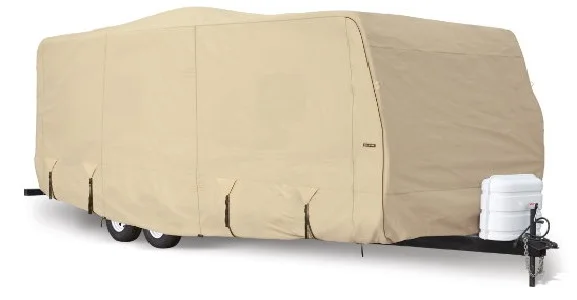
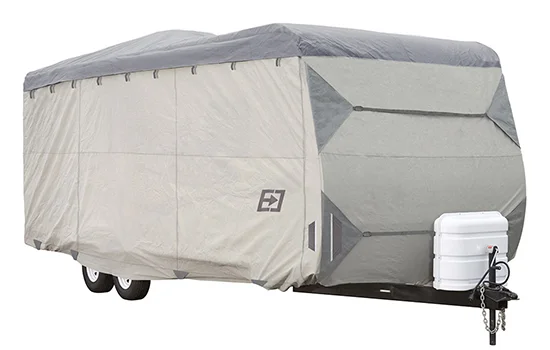
Travel trailer campers are the perfect way to see the great wonders and beautiful splendor. You just need to pack the bags, fill the gas tank, and then start the road journey towards your destination.
But when your camper RV van is not in use, covering it properly with the right camper cover is necessary. Before hitting the road, here are the seven things to look for while buying the perfect cover. So, let's get into the blog and explore them!
- Material and Climate Compatibility
When purchasing the cover, material quality matters a lot. Choose the cover by keeping the local weather in mind. The best-suited material for warm and dry climates is polyester.
Polyethylene and polypropylene are perfect for rainy and humid environments. And if your camper is exposed to UV, then find a cover that withstands UV rays.
2. Exact Size and Shape
After the right material, a perfect fit and shape also play a key role in keeping your camper in good condition. Because campers come in various shapes and sizes, finding the right cover is essential for proper protection. To wrap it properly is necessary. Your cover should be compatible with the shape of your vehicle.
If you don't get the perfect fit and shape, then your vehicle is prone to various elements that can damage it. So, before buying online, make sure to get the proper measurements of length, width, and height correctly.
3. Breathability and Ventilation
To prevent mold, mildew, and condensation damage while your camper is covered, look for breathability and ventilation. The fabric lets trapped humidity escape while blocking outside rain.
You should look for built-in air vents that let air flow and stop the cover from ballooning like a parachute in heavy wind. However, never use a cheap, non-breathable plastic tarp. Additionally, constant wetness breaks down rubber seals, decals, and exterior paint over time.
4. Water Resistance vs. Waterproofing
Waterproof camper covers block rainwater completely, and water-resistant covers breathe better. These prevent trapped moisture from forming mold. Here's what waterproof covers and water-resistant covers offer.
- Access Panels and Zippers
Access panels and zippers help you get to your RV without taking off the entire RV cover. It is best to choose RV covers that have zipped panels, which give access to the doors, storage areas, and other crucial sections. Rust-resistant zippers are equally significant since they are durable and can be used over and over again, even during bad weather.
- Tie-Down and Tension Systems
A good tie-down and tension system keeps your camper cover securely in place during strong winds and harsh weather. Look for adjustable straps, buckles, and elasticized hems that provide a snug fit around your camper. These features prevent the cover from shifting, flapping, or becoming damaged by wind. A secure tension system also helps protect the cover and your camper from unnecessary wear and scratches.
- Warranty & Durability
When buying the cover for your camper, make sure to check its durability and warranty. This ensures your investment actually protects your vehicle from harsh weather, UV rays, and moisture over time. For better durability, look for multi-layer fabrics, and the top layer should be thick to block UV rays and prevent rainwater. For warranty assurance, look for a manufacturer that offers a warranty of at least 2–5 years.
Tips for Maintaining Your Camper Cover
Maintaining your camper cover extends its lifespan and ensures your vehicle stays protected from weather and debris. Here's how you can protect it!
Cleaning Your Camper Cover
- For easier washing, leave the cover on your camper.
- Use a soft broom or brush to brush off loose dirt and leaves.
- Rinse the surface using a regular garden hose.
- Mix mild, natural soap with lukewarm water for spot cleaning.
- Scrub gently with a soft cloth or sponge; avoid harsh chemicals and heavy scrubbing.
- Rinse all soap residue away completely.
- Let the cover air-dry completely before folding or storing it. Never use a machine dryer.
Inspecting and Repairing Damage
- Check the material regularly for small tears, holes, or weak seams.
- Check that straps, tie-downs, and buckles are fully functional and not frayed.
- Patch up minor rips immediately with a specialized repair kit or heavy-duty outdoor tape to prevent larger splits.
Proper Storage
- Fold or roll the dry cover neatly according to the manufacturer's steps.
- Put the cover inside a breathable storage bag or a sealed plastic bin.
- Keep it in a cool, dry room away from direct sunlight, pests, and damp floors.
Conclusion
Before investing in camper covers, make sure to check a few things mentioned above. These will help you in selecting the ideal cover so it serves you in the long run. However, you should know that owning a camper or its cover is not enough; maintenance is also necessary. So next time whenever you buy a cover for your vehicle, think about its maintenance.
To keep it in the best or like-new condition, you need to follow a few things, like regular cleaning, regularly checking for any repairs and damage, and storing it in a proper space. By following all these things, you're good to buy and use your cover without worrying about anything.