Sign up with Google
 Sign in with Zoho

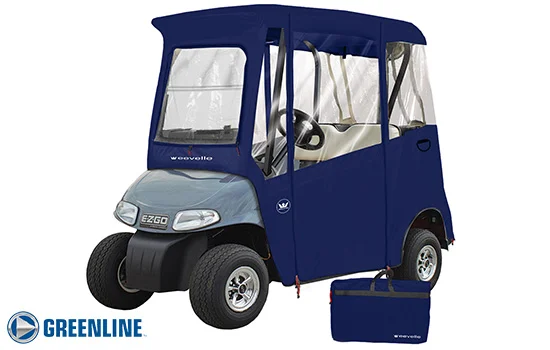
Golf carts are often used outdoors; they are exposed to changing weather conditions throughout the year. Rain, intense sunlight, wind, dust, and seasonal moisture can gradually affect a cart’s appearance and condition.
The simplest way to provide consistent protection is to use a quality golf cart waterproof cover. The right one can help shield the cart from moisture and outdoor debris while making storage more convenient.
This blog provides insights into choosing the right materials, fit, and features for dependable year-round protection.
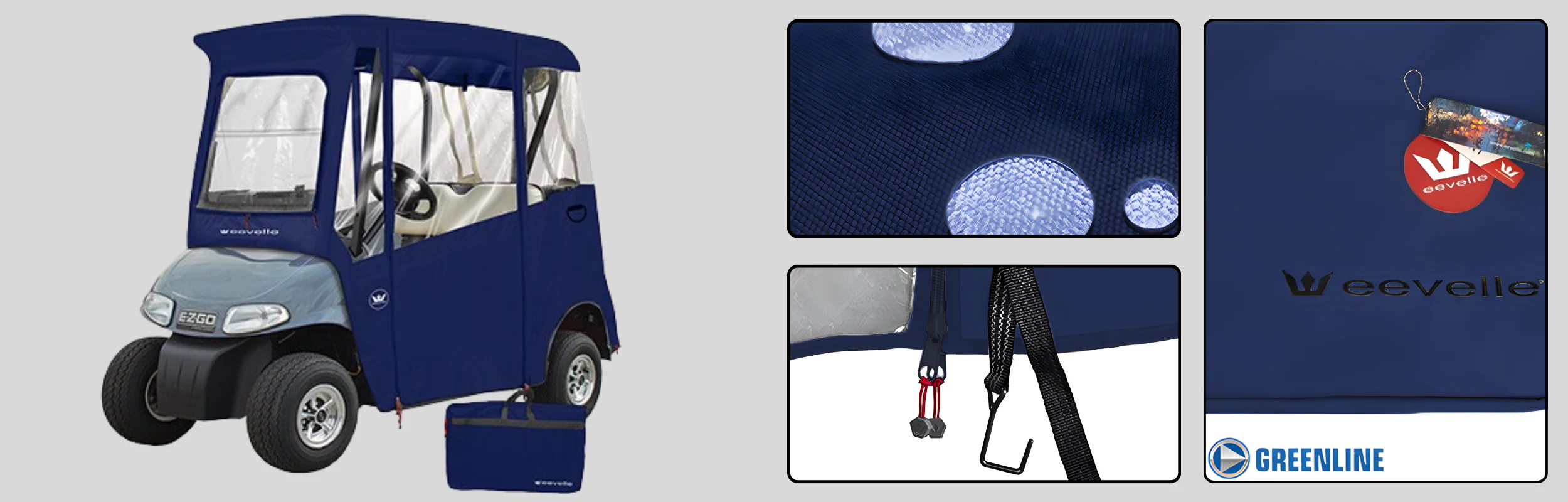
Why Year-Round Weather Protection Matters for Golf Carts
Here are some reasons why your golf cart requires year-round weather protection:
- Rain and humidity can cause moisture buildup and material deterioration.
- UV exposure can fade colors and damage upholstery and exterior surfaces.
- Wind can blow dust, leaves, dirt, and debris onto the cart.
- Snow, frost, and freezing temperatures can affect the cart during winter.
What to Look for in a Golf Cart Waterproof Cover
You can’t choose a waterproof golf cart cover based solely on its appearance and price. Before buying, consider various important features.
- Waterproof or highly water-resistant material
For your golf cart, rain protection should be one of the first considerations. A water-resistant material or waterproof cover can help prevent rainwater from reaching the surfaces underneath.
In this, you should look for materials specifically designed for outdoor conditions. Moreover, consider whether the cover has a waterproof coating or reinforced construction. Also, think about seams, as water can potentially enter through poorly constructed or unprotected stitching.
The cover should ensure that there is complete coverage without exposing any sections. This becomes even more important in case the cart is to be kept outside during prolonged rain.
- Durable construction
If you want a cover that provides year-round protection, then it has to withstand outdoor weather conditions. Poorly constructed materials will surely wear out easily when exposed to wind, sunlight, and frequent handling.
Look for durable materials, strong seams, and good construction. If you intend to use the cover frequently by putting it on and taking it off, durability will play an even greater role.
A well-constructed cover is also easier to deal with since it does not tend to rip or get damaged easily from wear and tear.
- UV protection
Strong UV rays can harm your golf cart when parked outside. Materials that are resistant to UV rays are perfect for minimizing the negative impact of excessive sun exposure. A cover with UV resistance protects the seats, finishes, and other exposed areas from Sun exposure. If a golf cart is stored outside most of the year, then you need to use a cover that withstands both moisture and UV exposure rather than one only against rain.
- Proper fit and coverage
Even though a cover is made of high-quality material, it could fail to adequately protect the golf cart if it does not fit the vehicle.
It is important to get the right measurements of the golf cart before purchasing a cover. Some models may differ in height, width, length, and even configuration. Various additions like windshields or back seats may affect the measurements.
The right cover will have enough space but not be too loose. An excessively loose cover may flap in strong winds, while a poorly fitted cover may leave parts of the golf cart exposed.
- Secure fastening system
Wind can quickly turn an improperly secured cover into a nuisance. Using strong straps, buckles, or even elastic edging to secure the cover can work well in adverse weather conditions.
While choosing the cover, consider the fastening mechanism and whether it offers enough protection in the area in which the cart will be kept. If you live in a windy area, secure attachment may be as essential as waterproofing. A flying cover does not provide any protection for your cart.
- Ventilation and breathability
Waterproofing does not mean the cover should trap moisture underneath it. Good ventilation can help reduce the buildup of condensation when the golf cart is covered for extended periods. Look for covers that incorporate vents or breathable sections where appropriate.
Proper airflow can help maintain a more suitable environment beneath the cover while still providing protection from outside weather. This feature becomes especially useful in areas with high humidity or significant temperature changes between day and night.
Choosing the Right Golf Cart Cover for Rain
Here’s how to choose the right golf cart cover for rain:
- Forget about waterproof labels: Think about the quality of the fabric used, its seams, coverage, fit, and its closing mechanism. All these factors influence the effectiveness of the protection from rain that the cover can offer you.
- Use outdoor-quality material: Make sure you get the cover that is best for outdoor use.
- Check coverage and fit: It is necessary for the rain cover to cover all critical areas of the cart and fit tightly.
- Wind protection: Choose something that will securely fasten and hold the cover on when there is a strong, rainy wind.
- Climate: You may not need as much protection if you get light showers from time to time rather than heavy rain.
- Think about how you store the cart: If it is partially sheltered, you won’t need as much coverage compared to when it is stored outside.
- Multiple layers of protection: If the cart will be kept outdoors for a long time, ensure that you find a cover that is water-resistant, durable, UV-resistant, and secure.
- Dry any wet areas if feasible: Try to let the cart dry off prior to putting on the cover if possible in order to avoid any moisture collection.
- Ensure that the cover stays clean: Cleaning the cover and the cart itself will help keep the covering material lasting longer.
Conclusion
In conclusion, choosing the right cover is an important part of protecting a golf cart from changing outdoor conditions. Rain, sunlight, wind, dust, and seasonal weather can all contribute to wear when a cart is regularly left uncovered.
A quality golf cart waterproof cover should combine water resistance with durable construction, UV protection, proper fit, secure fastening, and adequate ventilation. Paying attention to these features can help you choose a cover suited to your cart and local climate.
Whether your biggest concern is heavy rain or year-round outdoor exposure, selecting a cover designed for the conditions your golf cart faces can make storage easier and provide an additional layer of protection whenever the cart is parked.