Sign up with Google
 Sign in with Zoho

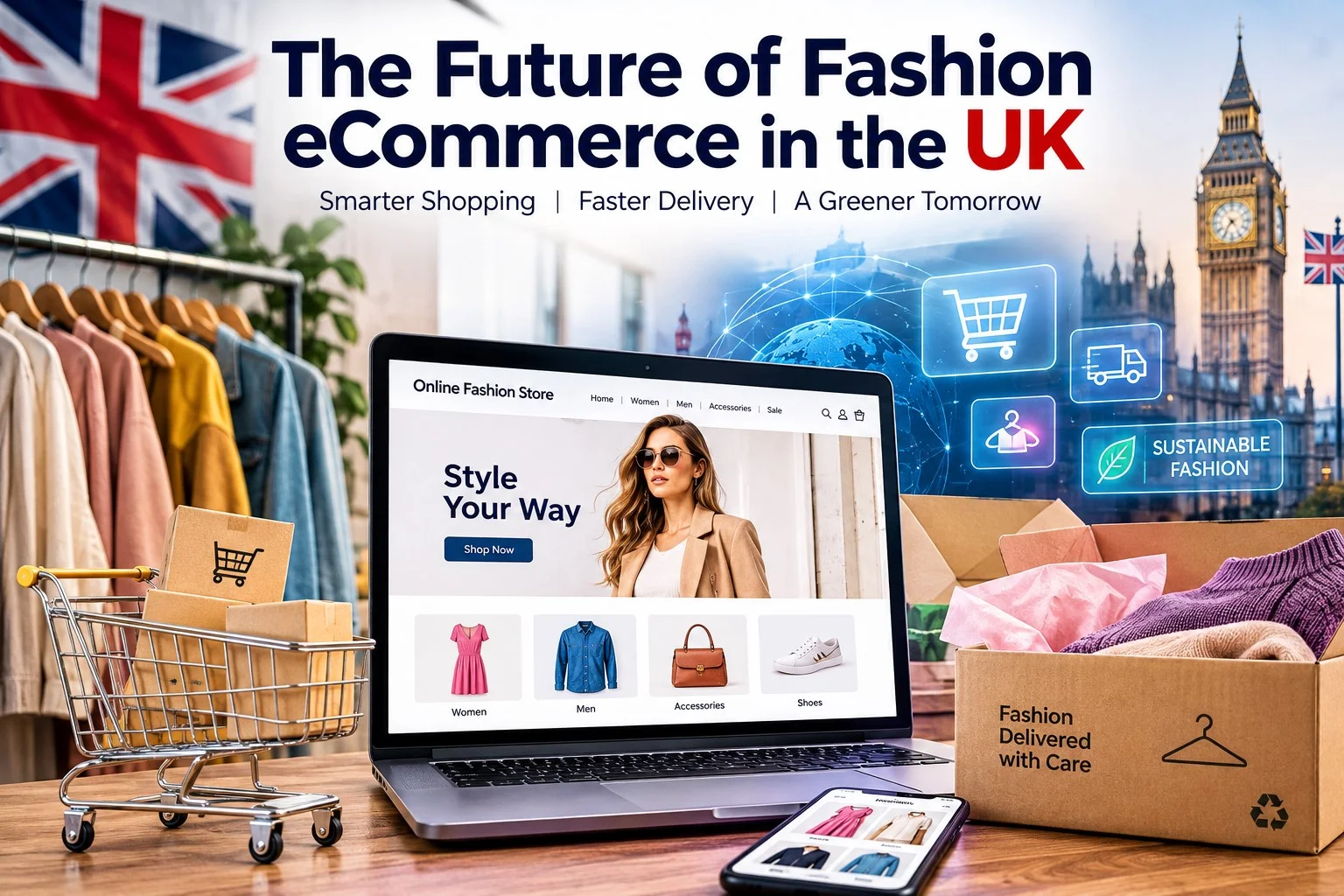
Fashion shopping in the UK is changing fast. In the past, many people visited high street shops to see clothes, try them on, and buy them. Today, shoppers can buy almost anything online with just a few clicks. This change has created new chances for fashion brands, but it has also made the market more competitive.
The future of fashion eCommerce in the UK will be shaped by both traditional ideas and modern technology. Brands that understand what customers want can build strong businesses and keep their customers coming back.
Traditional Fashion Shopping in the UK
Traditional fashion shopping has always focused on the experience inside a physical shop. Customers could touch fabrics, check sizes, speak to staff, and try clothes before buying them. Shop windows also helped brands show their latest styles.
High street shopping still has value. Some customers enjoy visiting shops because it feels more personal. They can see the real colour and quality of a product before spending money.
Traditional fashion businesses also built trust through personal service. A friendly shop assistant could help a customer choose the right size, colour, or style. This human connection is still important today.
However, traditional shops can have higher costs. Rent, staff, electricity, and storage can make running a physical shop expensive. Customers also have to travel to the shop, which is not always convenient.
The Rise of Modern Fashion eCommerce
Modern fashion eCommerce has made shopping much easier. Customers can browse products from home, compare prices, read reviews, and order clothes at any time.
A small fashion business can now reach customers across the UK without opening shops in every city. This gives new brands a chance to compete with larger companies.
Social media has also changed how people discover fashion. Platforms such as Instagram, TikTok, Pinterest, and YouTube allow brands to show new products through photos, videos, and creators.
Mobile shopping is another major part of modern fashion eCommerce. Many customers use their phones to search for clothing, check reviews, and complete purchases. This means fashion websites need to work well on mobile devices.
Personalisation Will Shape the Future
One of the biggest changes in online fashion is personalisation. Modern technology allows brands to understand what customers may like based on their browsing and buying habits.
For example, an online shop may show products similar to items a customer viewed before. It can also suggest matching products, such as a jacket with a shirt or accessories with a dress.
Artificial intelligence can help brands make these suggestions faster. However, businesses should use customer data carefully and clearly explain how personal information is handled.
Personalisation should make shopping easier, not confusing. Customers should still feel that they are in control.
Packaging Is Becoming More Important
Fashion packaging is also changing with eCommerce. When a customer orders clothes online, the package is often the first physical experience they have with a brand.
Good packaging can make an ordinary delivery feel special. Strong and attractive Shirt Boxes can protect shirts during storage and delivery while also giving the brand a professional look.
Businesses can choose custom sizes, printed logos, colours, inserts, and different finishes. Good packaging can also help reduce damage during shipping.
Sustainable packaging is becoming important too. Many UK shoppers are more aware of waste and want brands to make better choices. Recyclable and responsibly sourced packaging can help fashion businesses meet these expectations.
Luxury Fashion Needs a Strong Experience
Luxury fashion brands have an even bigger reason to focus on packaging and presentation. Customers buying premium clothing often expect every part of the experience to feel special.
Luxury Apparel Boxes can help create this feeling. High-quality materials, clean printing, special finishes, and smart box structures can make a product feel more valuable before the customer even opens it.
This does not mean every business needs expensive packaging. The main goal is to make the packaging match the brand and product. A simple design can look premium when it is well planned.
Traditional Ideas Still Matter
Modern technology is important, but traditional fashion values should not disappear. Quality, good customer service, trust, and strong product knowledge are still important.
Customers want accurate product information, clear size guides, good images, and honest descriptions. They also want easy returns when a product does not fit.
This is where traditional customer care can work well with modern eCommerce. A brand can use technology to make shopping easy while still offering helpful and friendly support.
Social Commerce Will Continue to Grow
Social media is likely to play an even bigger role in fashion shopping. Customers do not always search for a product directly. They may discover a new clothing brand through a video, creator, or social media post.
Short videos can show how clothes look when worn. Customer reviews can provide real experiences. Influencers and content creators can also help brands reach new audiences.
Fashion businesses should focus on useful and honest content instead of simply posting sales messages. Customers are more likely to trust brands that show real products and explain them clearly.
Sustainability Will Be a Key Trend
Sustainability will continue to influence fashion eCommerce in the UK. Customers are becoming more interested in where products come from, how they are made, and what happens to packaging after delivery.
Fashion brands can respond by choosing better materials, reducing unnecessary packaging, and making products that last longer.
Packaging should also be considered carefully. Using the right box size can reduce wasted space and may make storage and delivery more efficient.
Being sustainable should not only be a marketing message. Brands need to make real improvements and communicate them honestly.
The Role of Technology
Technology will continue to improve online fashion shopping. Virtual fitting tools, AI product recommendations, better search systems, and faster delivery services can make the customer journey easier.
Some businesses may also use virtual reality or augmented reality to help customers understand how products could look before buying them.
However, technology cannot solve every problem. Fashion businesses still need good products, clear communication, reliable delivery, and strong customer service.
What UK Fashion Brands Should Do
Fashion businesses that want to succeed in the future should focus on a few simple areas:
- Build an easy-to-use online shop.
- Make websites fast and mobile-friendly.
- Use clear product photos and descriptions.
- Provide accurate size information.
- Offer simple and clear returns.
- Use social media to build trust.
- Choose packaging that protects products.
- Reduce unnecessary packaging waste.
- Give customers helpful support.
- Use technology without losing the human touch.
Conclusion
The future of fashion eCommerce in the UK will not be purely traditional or purely modern. The strongest brands will combine the best parts of both.
Traditional shopping gives us personal service, trust, and human connection. Modern eCommerce gives customers speed, choice, convenience, and access to brands from almost anywhere.
The future will belong to fashion businesses that offer a complete experience. From the website and product page to delivery and packaging, every part of the customer journey matters.
UK fashion brands that focus on quality, customer needs, technology, sustainability, and strong presentation will be better prepared for the changing eCommerce market. The goal is simple: make shopping easy, make customers feel valued, and give them a reason to come back.