Sign up with Google
 Sign in with Zoho

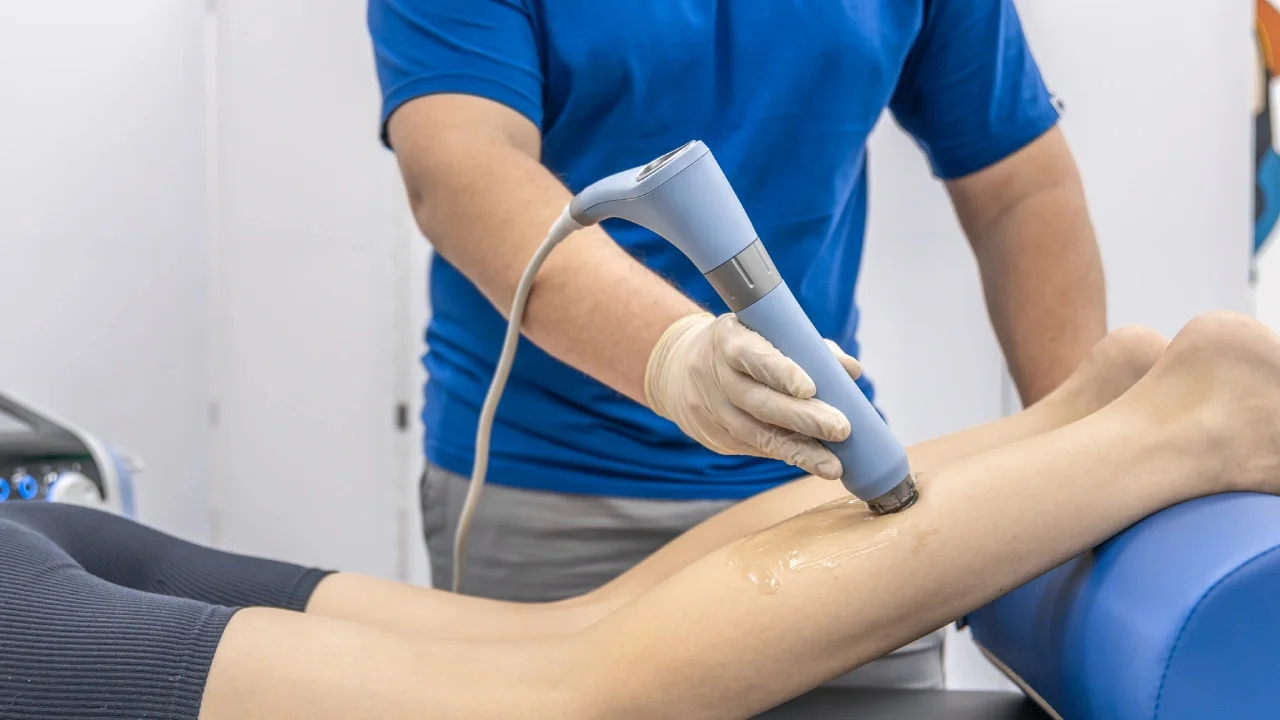
Chronic musculoskeletal pain can affect how a person moves, sleeps and manages daily tasks. Even sitting for long periods or walking short distances may become uncomfortable. The causes can include arthritis, previous injuries, muscle problems and spinal conditions. Finding the cause is an important first step towards choosing suitable treatment.
This article explains why musculoskeletal pain may persist and what treatments can help manage it.
What Is Chronic Musculoskeletal Pain?
Chronic musculoskeletal pain lasts for several months or keeps coming back. Unlike short-term pain, it may not settle as expected after an injury and can continue to affect everyday activities.
The pain may affect the back, neck, shoulders, hips or knees. It can involve muscles, joints, tendons, ligaments and nearby tissues. When symptoms continue, everyday activities can become difficult, and poor sleep may make the situation worse.
Common Causes of Persistent Pain
Ongoing musculoskeletal pain can develop for several reasons. Arthritis and changes in the joints over time may cause stiffness, soreness and difficulty moving comfortably. Past injuries, muscle strains and repeated movements can also lead to pain that does not settle.
Sometimes, a problem in the spine can affect nearby nerves, causing pain to travel into other parts of the body. Sitting for long periods, at a desk, may add to the strain. Physically demanding work can have a similar effect. In some cases, inflammation may also be responsible for persistent discomfort.
Identifying the Source of Back and Joint Pain
Pain is not always caused by the structure closest to where it is felt. For example, pelvic discomfort may be related to the lower back or the sacroiliac joint, which connects the spine to the pelvis. Understanding what causes sacroiliac joint pain requires an assessment of the joint and other possible sources.
A clinician may review the person's symptoms, medical history and movement. Imaging or other investigations may be recommended when appropriate. This helps guide treatment towards the likely cause rather than the symptoms alone.
Conservative Treatments to Consider
Physiotherapy and Exercise
Physiotherapy can help improve strength, flexibility and movement. A physiotherapist can recommend exercises based on the person's condition and current abilities. Progress is gradual, with activities increased as movement becomes more comfortable.
Lifestyle Changes and Medication
Staying active can help keep the body moving and reduce stiffness. Simple changes, such as improving posture, adjusting repetitive tasks and getting enough sleep, may also help manage pain. When symptoms get worse, it is worth slowing down and allowing time to rest before returning to normal activities.
Pain-relief medicines and anti-inflammatory drugs may help some people. The right option depends on the condition, medical history and possible side effects. A healthcare professional can advise on their safe use.
Interventional Treatments for Ongoing Pain
If other treatments have not provided enough relief, a clinician may consider image-guided injections or selected nerve-targeted procedures. These may reduce pain in certain conditions and help a person take part in rehabilitation.
Not everyone will benefit from these treatments. The decision depends on the suspected cause, potential risks and expected results. Procedures are considered as part of a wider management plan.
Can Regenerative Medicine Help?
Regenerative medicine is being studied for its potential role in tissue repair. Stem cell therapy is one area of interest, for certain joint and musculoskeletal conditions. The available evidence and treatment outcomes vary.
It is not a guaranteed or established solution for every type of chronic pain. Patients should discuss the evidence, safety, costs and regulatory considerations with a qualified healthcare professional. More information is available in this guide to stem cell therapy.
When to Consult a Pain Specialist
Consider seeking specialist advice when pain continues despite initial treatment, keeps returning or affects sleep, work and movement. A chronic pain specialist Sydney can help assess persistent symptoms and discuss further investigations or suitable treatment options.
Severe pain after a major injury, new significant weakness or back pain with new bladder or bowel control problems requires urgent medical attention.
Choosing the Right Treatment
Treatment should match the cause and severity of the pain. Medical history, previous treatments and personal goals also matter. Discuss the possible benefits, risks and costs before deciding on a procedure or other treatment.
Progress should be reviewed regularly. If an approach is not helping, the treatment plan may need to change.
Conclusion
Chronic musculoskeletal pain can have several causes, so treatment needs to be based on an appropriate assessment. Physiotherapy, lifestyle changes, medication and selected procedures may help manage symptoms. Emerging treatments require careful consideration.
If pain continues to affect daily life, seek professional advice to understand the cause and discuss the options available.