Sign up with Google
 Sign in with Zoho
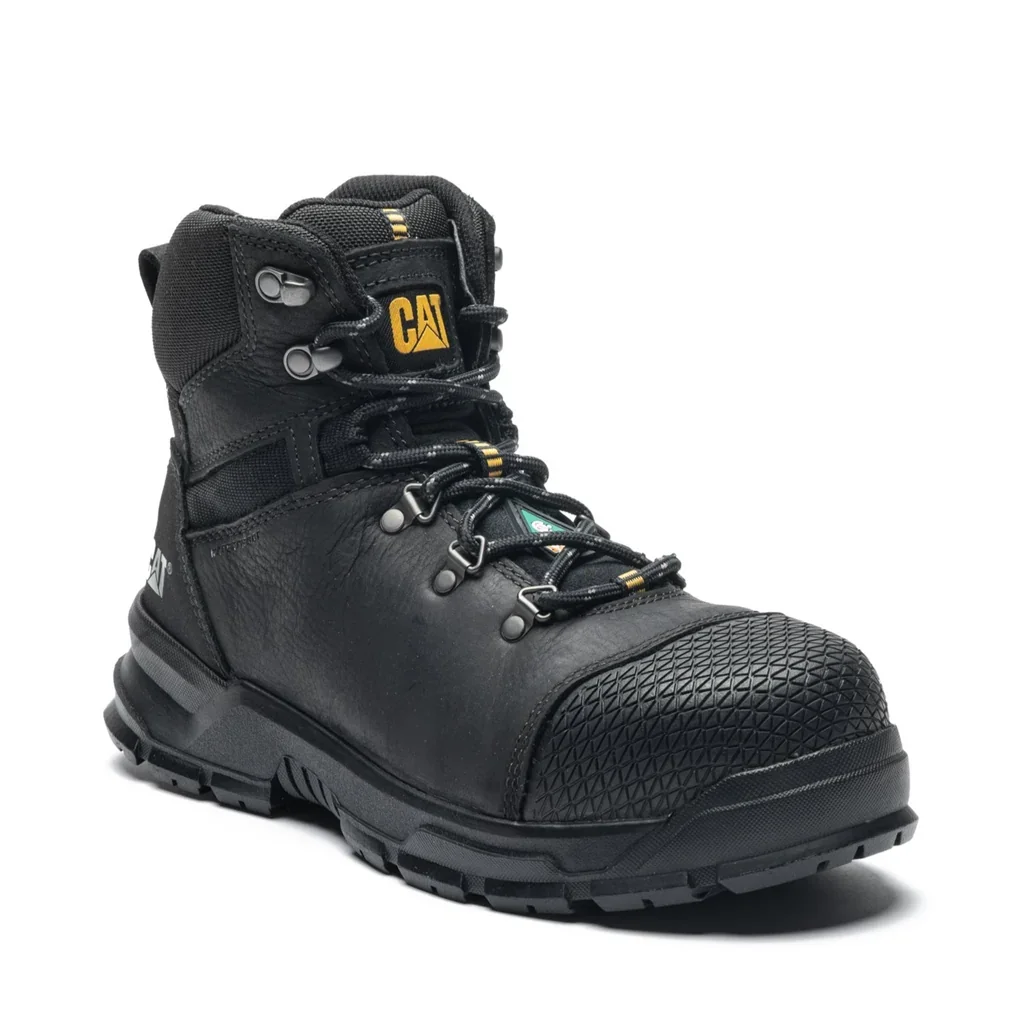
A good pair of work boots can handle a lot. They deal with long shifts, rough surfaces, dirt, moisture, heavy loads, and constant walking. But even the toughest boots don't last forever.
The tricky part is knowing when it's actually time to replace them.
Some workers wait until the sole completely separates or the boots are visibly falling apart. Others replace them based on a fixed timeline without checking their condition. Neither approach is ideal.
Work boots should be replaced when they become too worn, damaged, uncomfortable, or no longer provide the protection your job requires.
So, how do you know when that point has arrived?
Let's look at the signs that your work boots may be ready for replacement.
How Long Do Work Boots Usually Last?
There isn't one replacement schedule that works for every worker.
A pair of work boots might last several months for someone working outdoors every day, while another worker may get much longer use from the same type of footwear.
The lifespan depends on factors such as:
- How often you wear them
- How many hours you work each day
- The type of job you do
- Walking and standing conditions
- Exposure to water, chemicals, dirt, or heat
- The quality of the materials
- How well you maintain the boots
Instead of relying only on the age of your boots, pay attention to their condition and performance.
1. The Outsole Is Wearing Down
One of the easiest signs to spot is excessive outsole wear.
The outsole is constantly exposed to the ground, so its tread naturally becomes thinner over time. Once the tread is significantly worn, the boots may not provide the same traction they did when they were new.
Look closely at the bottom of your boots.
If the tread is becoming smooth, uneven, or badly worn in certain areas, it's worth taking a closer look at the overall condition of the footwear.
This is particularly important if you work on wet, oily, dusty, or uneven surfaces.
2. The Sole Is Cracked or Separating
A worn sole is one thing. A damaged or separating sole is another.
Check the area where the outsole connects to the upper part of the boot. If you see gaps, cracks, or sections beginning to separate, the boots may no longer provide reliable protection.
Water and debris can also enter through these openings.
Don't wait for the sole to completely fall off before replacing the boots. Once the construction starts breaking down, the footwear may no longer perform as intended.
3. Your Boots Are No Longer Comfortable
Comfort can tell you a lot about the condition of your work boots.
You may notice that your feet feel more tired than usual after a shift. Perhaps the cushioning doesn't feel as supportive, or you're experiencing pressure in areas that weren't a problem when the boots were new.
This can happen as the insole, midsole, or other cushioning materials wear down.
If you've started adding extra insoles just to make an old pair comfortable again, take a closer look at the boots themselves.
Sometimes the problem isn't the insole. The entire boot may simply be reaching the end of its useful life.
4. Your Feet Get Wet Inside the Boots
Waterproofing can deteriorate over time.
Repeated exposure to rain, mud, snow, or standing water can eventually affect the materials, seams, membranes, or construction of work boots.
If your feet are regularly getting wet despite using boots that were originally designed for wet conditions, inspect them carefully.
Look for:
- Cracks in the upper
- Damaged seams
- Separation around the sole
- Worn waterproof materials
- Holes or punctures
Wet feet can make a long shift uncomfortable and may also increase the risk of blisters and skin irritation.
5. The Upper Material Is Cracking or Splitting
The upper part of the boot protects and supports your foot, so damage shouldn't be ignored.
Leather can develop cracks as it ages, especially when it's repeatedly exposed to water and isn't maintained properly. Synthetic materials can also split, tear, or become brittle.
Small surface marks aren't necessarily a reason to replace a pair. But deep cracks, holes, or areas that are separating can be a sign that the boots are no longer in good condition.
Pay particular attention to areas that bend repeatedly while you walk.
6. The Protective Toe Area Is Damaged
Safety Shoes often include protective toe caps designed to help protect against workplace hazards.
If the protective toe area has been seriously damaged, crushed, exposed, or otherwise compromised, don't assume the boots are still providing the same protection.
Visible damage around the toe is a reason to inspect the footwear closely.
If you're unsure whether the protective component has been affected, check the manufacturer's guidance or speak with your workplace safety professional.
A damaged protective feature isn't something to take a chance with.
7. The Boots No Longer Fit Properly
Your feet don't necessarily stay the same throughout your working life.
Changes in foot shape, swelling, footwear construction, or worn-out cushioning can affect how your boots fit.
You may notice:
- Your heel slipping more than before
- Your toes pressing against the front
- Your feet moving around inside the boot
- Increased rubbing
- New pressure points
A pair that used to fit well shouldn't suddenly become uncomfortable without a reason.
If the fit has changed significantly, inspect the condition of the boots and consider whether they're due for replacement.
8. The Tread Is Uneven
You don't need to wait until the entire outsole is smooth.
Uneven wear can also be a problem.
For example, one side of the heel may wear down faster than the other. This can change how your foot sits on the ground and affect the way you walk.
Check both boots from the bottom and side. Compare the tread patterns and look for areas that are noticeably more worn.
If the outsole has become badly uneven, replacing the boots may be a better option than continuing to wear them.
9. Your Boots Are Losing Their Shape
Work boots should maintain their basic structure.
Over time, repeated bending, pressure, and heavy use can cause them to collapse or lose their original shape.
A boot that has become heavily compressed may not provide the same support or fit as it once did.
This can be especially noticeable around the heel, ankle, and upper.
If the boots no longer hold their shape when you're wearing them, it's worth considering a replacement.
10. You Notice New Foot Pain
New or increasing foot discomfort shouldn't automatically be blamed on long working hours.
If your boots are old and you start noticing pain, pressure, rubbing, or unusual fatigue, check the footwear.
Worn cushioning, poor support, uneven soles, and changes in fit can all affect comfort.
Of course, persistent or significant foot pain can have many causes. If discomfort continues even after changing footwear, consider speaking with a qualified healthcare professional.
11. Your Job or Work Environment Has Changed
Sometimes your boots aren't worn out. They're simply no longer suitable for your work.
Maybe you've moved from warehouse work to construction. Perhaps you're now working outdoors instead of indoors, or your workplace has introduced new safety requirements.
Your footwear should match the hazards you currently face.
For example, you may need different features for:
- Wet environments
- Cold weather
- Rough outdoor terrain
- Slippery floors
- Electrical hazards
- Puncture risks
- Heavy-duty work
Don't keep wearing an old pair simply because they're still in decent physical condition if they don't meet the requirements of your current job.
12. You've Been Using the Same Pair Every Day
Wearing the same boots every day can increase the rate at which they wear down.
Daily use means the footwear has little time to dry and recover between shifts, particularly when it becomes wet or heavily soiled.
If your work allows it, rotating between two suitable pairs can give each pair more time to dry between uses.
This doesn't make boots last forever, but proper rotation and care may help manage wear.
Work Boot Replacement Checklist
Use this quick checklist when inspecting your boots:
Can Work Boots Be Repaired Instead of Replaced?
Sometimes, yes.
Minor issues such as worn laces, removable insoles, or certain small cosmetic problems may be repairable.
However, repairs aren't always appropriate when the safety components or overall structure of the boot are compromised.
If the protective toe area, outsole, waterproof construction, or other important safety feature is seriously damaged, replacing the boots may be the safer choice.
Always follow the manufacturer's repair recommendations and your workplace safety requirements.
How to Make Your Work Boots Last Longer
Replacing work boots is unavoidable eventually, but good care can help you get the most from them.
Clean Them Regularly
Remove dirt, mud, and debris after work. Follow the manufacturer's cleaning instructions for the specific material.
Let Wet Boots Dry Properly
Don't leave wet boots sitting in a damp area overnight. Give them enough time to dry naturally before wearing them again.
Avoid excessive direct heat, which can damage some boot materials and adhesives.
Condition Suitable Leather Boots
If your boots are made from leather, use products recommended by the manufacturer. Proper care can help prevent excessive drying and cracking.
Inspect Them Frequently
A quick inspection at the end of the week can help you spot damage before it becomes a bigger problem.
Pay attention to the sole, upper, seams, toe area, and overall shape.
Store Them Properly
Keep your boots in a dry, ventilated place when you're not wearing them. Avoid leaving them exposed to unnecessary moisture or extreme temperatures.
Is There a Set Time to Replace Work Boots?
Not necessarily.
There are general expectations around footwear lifespan, but the condition of the boots matters more than a specific number of months or years.
A worker who spends every day on rough outdoor surfaces may wear through a pair much faster than someone who works indoors on clean floors.
Instead of asking, "How old are my boots?" ask:
Are they still comfortable?
Are they still structurally sound?
Do they still provide the protection I need?
Are they still suitable for my working environment?
If the answer to any of these questions is no, it's time to take a closer look at replacing them.
Final Thoughts
Knowing when to replace your work boots is about more than appearance. A pair can look acceptable while the sole, cushioning, waterproofing, or protective features are already wearing down.
Check your boots regularly for worn tread, damaged soles, cracks, water leaks, changes in fit, and signs that the protective structure has been compromised.
Don't wait until your boots completely fall apart. Replacing them when they can no longer provide the comfort, performance, or protection you need is a much better approach.
Your work boots are part of your everyday safety gear. Give them the same attention you give to the rest of your workplace equipment.