Sign up with Google
 Sign in with Zoho
Introduction
The Vermont forest agency serves as the state’s primary steward of forest resources, balancing ecological health, public recreation, and economic vitality. With more than 78 % of Vermont covered by forest land, the agency’s policies shape the everyday experience of residents, outdoor enthusiasts, and timber producers alike. This article outlines the agency’s core responsibilities, key programs, and the ways citizens can engage with its work.
Core Responsibilities
Forest Management and Conservation
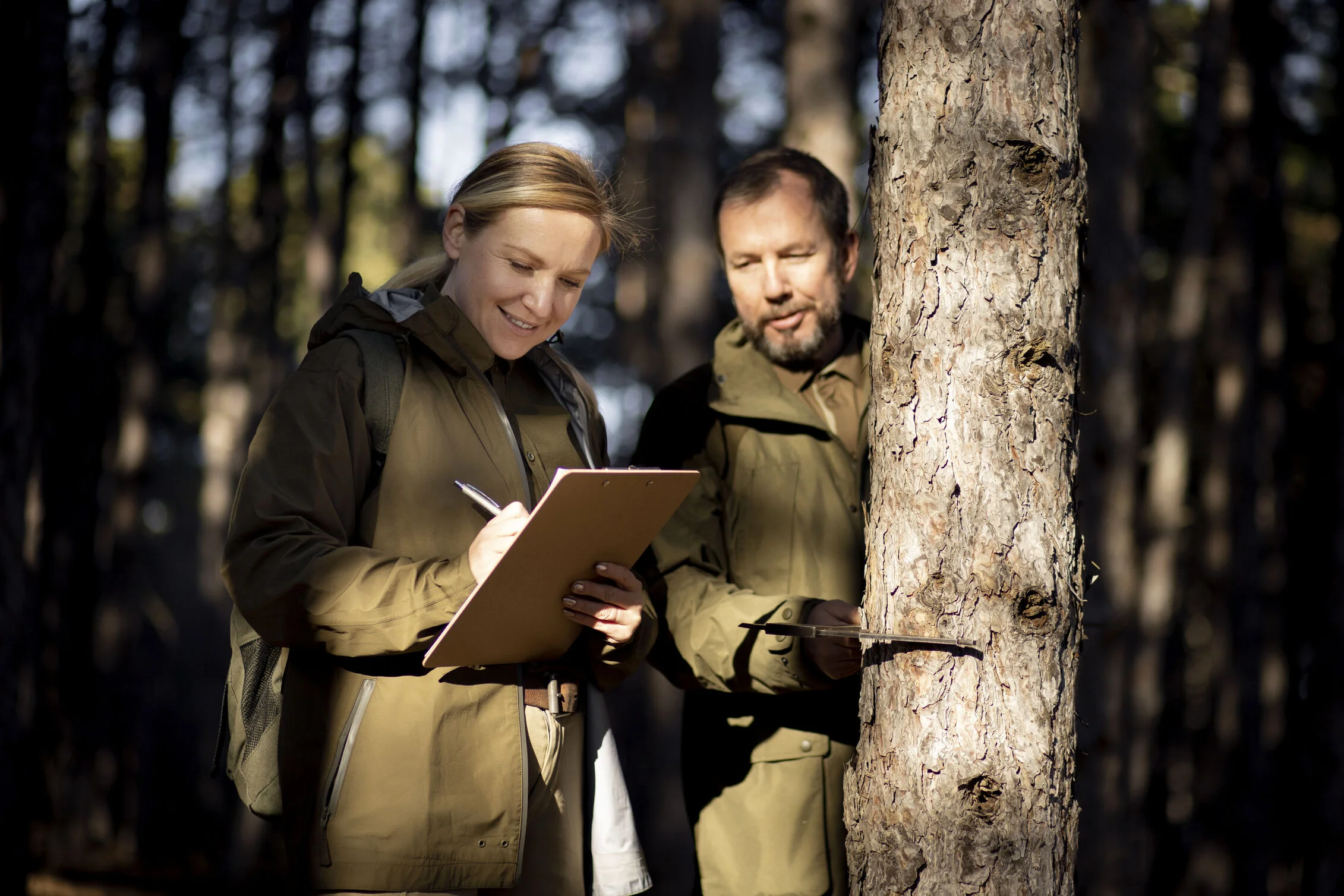
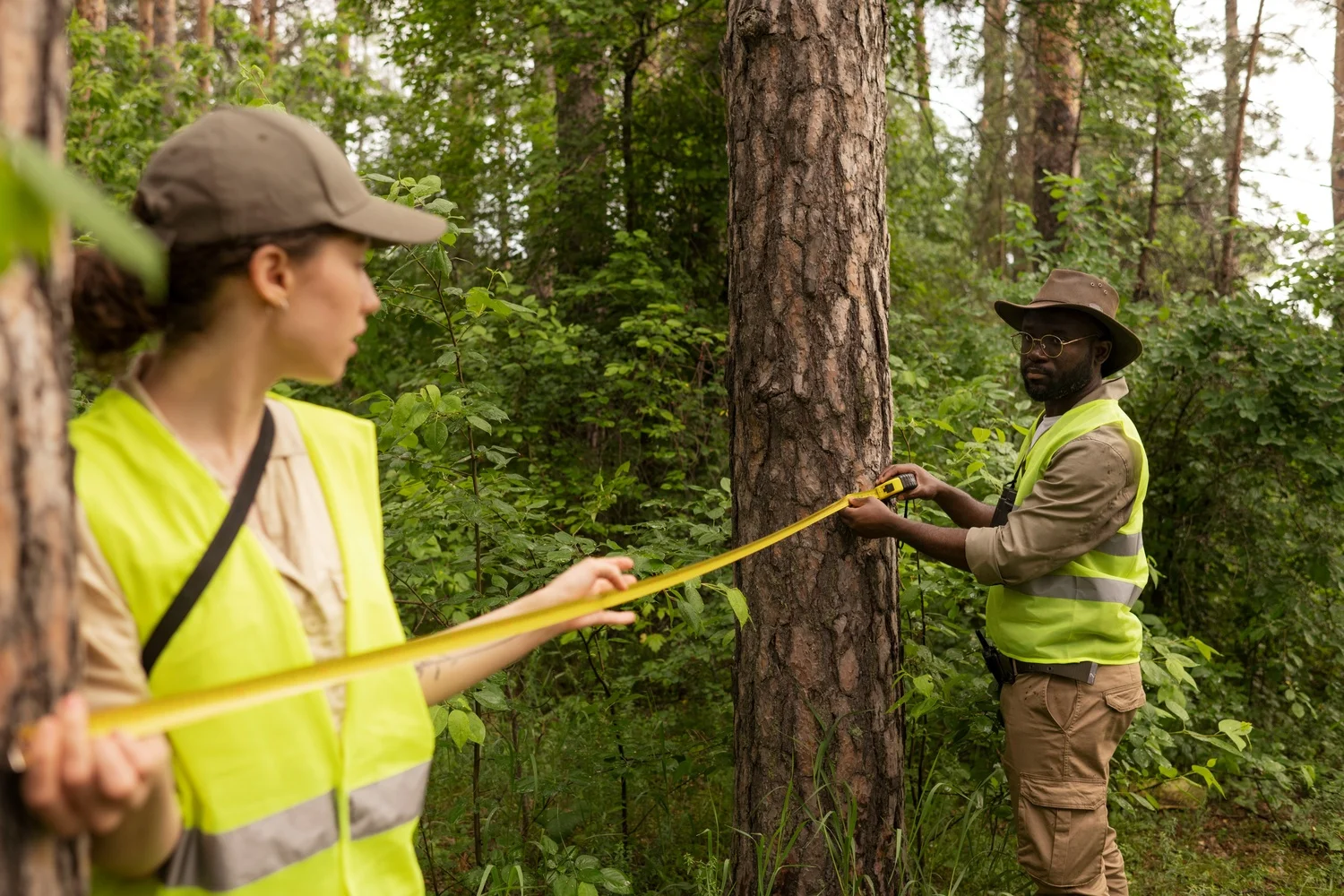
Inventory and Mapping: The agency conducts statewide forest inventories every five years, using satellite imagery and ground surveys to track changes in canopy cover, species composition, and health indicators.
Habitat Protection: By designating critical wildlife corridors and implementing erosion‑control standards, the agency safeguards habitats for species such as the Bicknell’s thrush and the timber rattlesnake.
Fire Prevention and Suppression
Risk Assessment: Seasonal risk maps identify high‑fuel areas, guiding prescribed‑burn initiatives that reduce the likelihood of catastrophic wildfires.
Emergency Response: The agency coordinates with local fire districts, providing training, equipment, and real‑time intelligence during fire events.
Public Recreation and Access
Trail Development: Over 2,000 miles of multi‑use trails are maintained under the agency’s oversight, ensuring safe access for hikers, cyclists, and snowmobilers.
Educational Outreach: Workshops on Leave‑No‑Trace principles and forest‑ethics are offered at community centers and schools throughout the state.
Sustainable Timber Harvesting
Certification Programs: The agency promotes third‑party certification (e.g., FSC, SFI) to verify that timber extraction follows sustainable practices.
Economic Assistance: Grants and low‑interest loans help small‑scale landowners adopt best‑management practices, boosting local economies while preserving forest health.
Flagship Programs
Vermont Forest Stewardship Initiative (VFSI): A collaborative effort that provides technical assistance to private landowners, encouraging selective thinning, invasive‑species control, and wildlife habitat enhancement.
Forest Health Monitoring Network (FHMN): Leveraging citizen scientists, this network gathers data on pest outbreaks, disease spread, and climate‑related stressors, feeding directly into agency response plans.
Green Mountain Trail System (GMTS): Managed jointly with municipal partners, GMTS integrates trail maintenance, signage, and interpretive stations that educate visitors about forest ecology.
How Residents Can Participate
Volunteer for Tree Planting: Seasonal planting events are coordinated by the agency, offering hands‑on experience in reforestation and carbon‑sequestration projects.
Report Hazards: A dedicated hotline and mobile app allow citizens to flag illegal dumping, fallen trees, or signs of disease, enabling rapid agency intervention.
Attend Public Hearings: The agency holds quarterly meetings to discuss draft regulations, budget allocations, and upcoming projects, welcoming public comment.
Challenges and Future Directions
Climate Change: Rising temperatures and shifting precipitation patterns threaten traditional forest composition. The agency is investing in climate‑resilient species trials and adaptive management frameworks.
Invasive Species: Emerald ash borer and Asian long‑horned beetle continue to spread. Early detection programs, coupled with targeted removal, remain a top priority.
Funding Constraints: While federal and state budgets support many initiatives, the agency seeks innovative financing—such as payment‑for‑ecosystem‑services schemes—to sustain long‑term projects.
Conclusion
The Vermont forest agency plays a pivotal role in preserving the state’s iconic woodlands while fostering responsible recreation and sustainable industry. Through rigorous scientific monitoring, community engagement, and forward‑looking policies, the agency ensures that Vermont’s forests remain a vibrant resource for generations to come.