Sign up with Google
 Sign in with Zoho

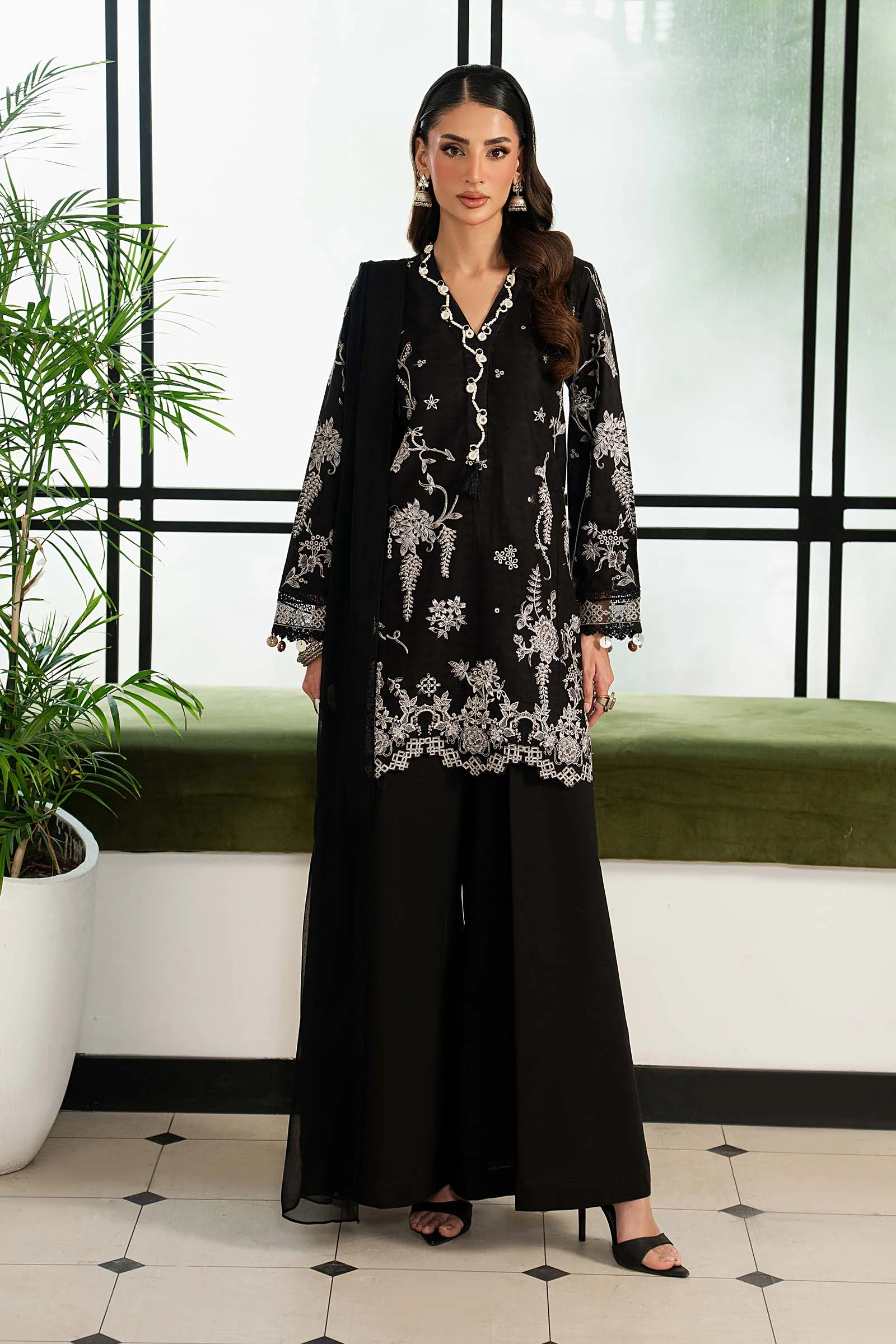
Most of what you own is ready to wear. Most of what's in every shop, online store, and seasonal collection is ready to wear. And yet the term itself remains surprisingly misunderstood — used loosely, applied inconsistently, and rarely explained in a way that helps you shop better.
Understanding what ready to wear means, how it differs from other categories of clothing, and what separates a strong ready to wear collection from a weak one gives you a genuine edge as a consumer. You stop buying on impulse and start buying with intention.
Here's what you actually need to know.
What Ready to Wear Actually Means
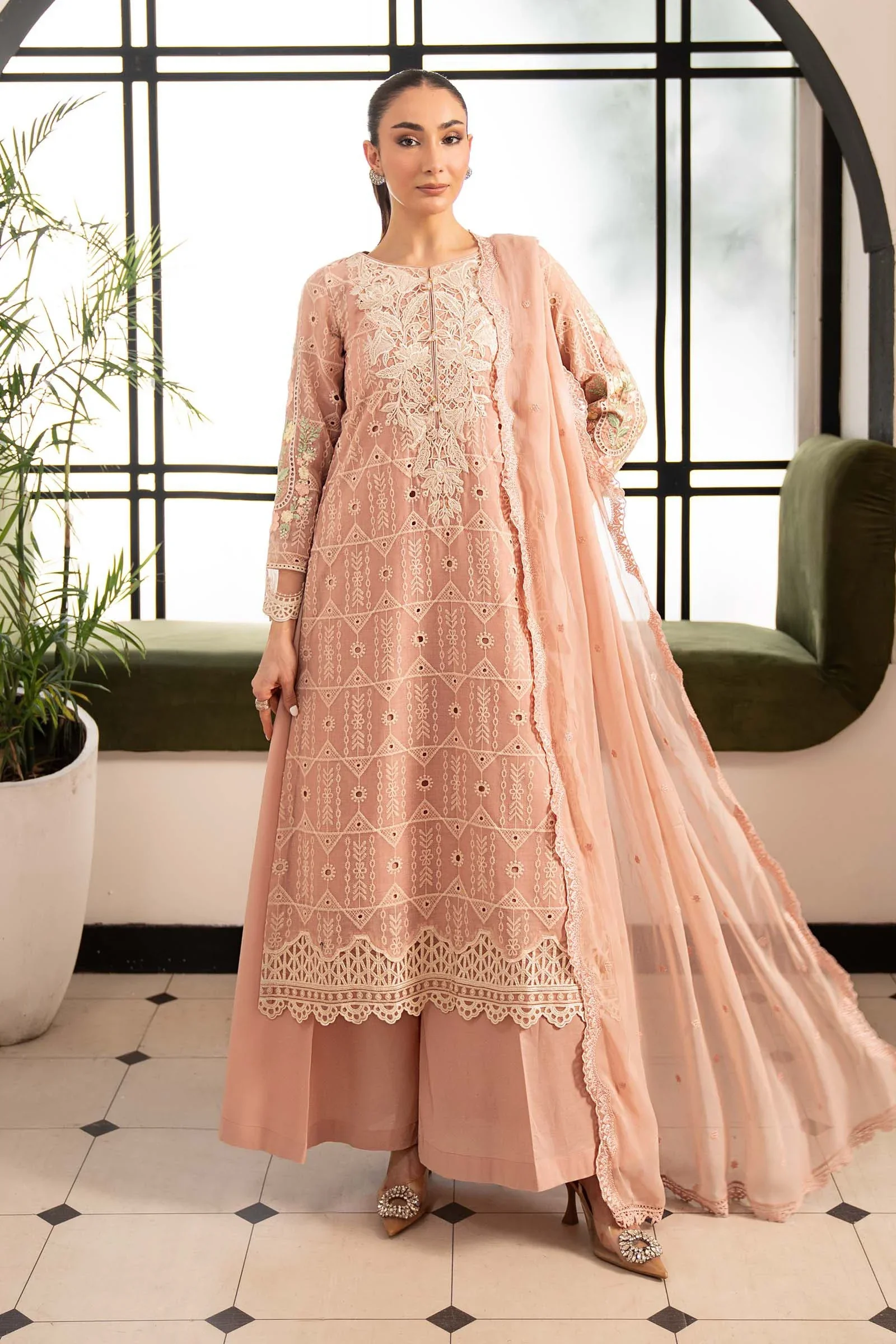
Ready to wear — sometimes written as prêt-à-porter, the French term that entered mainstream fashion vocabulary through the mid-20th century — refers to clothing that is manufactured in standardized sizes and sold finished, off the rack, without the need for custom fitting or bespoke construction.
In practical terms: almost everything available to buy today is ready to wear. From high street basics to designer seasonal collections, from fast fashion to premium independents — if it's made in sizes and sold without individual measurement, it falls under this umbrella.
The opposite of ready to wear is haute couture or bespoke tailoring — clothing made to individual measurements, often by hand, for a single client. That category is genuinely rare and genuinely expensive. For the overwhelming majority of shoppers, ready to wear is the entire landscape.
The Wide Spectrum Within Ready to Wear
Here's where it gets more interesting. Ready to wear is not a single tier — it spans an enormous range of quality, construction, and intention.
Fast Fashion Ready to Wear
At one end sits fast fashion: high-volume, low-cost; trend-reactive clothing produced at speed. The business model is built around price and velocity rather than quality and longevity. Pieces are designed to be current for a season and replaced shortly after.
The fabric is typically synthetic or low-grade cotton; construction is minimal, and the fit is engineered for speed rather than precision. This doesn't mean every fast fashion piece is unwearable — but it does mean the value calculation is different. You're buying short-term use at a low entry price.
Contemporary Ready to Wear
The mid-range category — where the majority of considered fashion spending happens. Contemporary ready to wear brands typically offer better fabric quality, more considered construction, and designs that have more staying power than pure trend pieces.
This is where value-per-wear becomes a useful framework. A piece at three times the price of a fast fashion equivalent that lasts five times as long and gets worn twice as often is genuinely better value, even if the upfront cost is higher.
Designer Ready to Wear
Luxury and designer brands produce ready to wear collections that sit below haute couture in terms of exclusivity and customization, but significantly above the contemporary tier in terms of fabric quality, construction standards, and design investment.
Designer ready to wear is still standardized sizing — still off the rack — but the materials, craftsmanship, and brand heritage attached to each piece carry their own weight. At this price point, the expectation is longevity, both in terms of physical durability and design relevance.
What to Actually Look for When Shopping Ready to Wear
Knowing the category is one thing. Knowing how to evaluate what's in front of you is what changes your shopping outcomes.
Fabric First
Fabric quality is the fastest and most reliable indicator of how a ready to wear piece will perform over time. Run your hand across the surface. Does it feel dense and stable, or thin and stretchy in a way that suggests it will lose shape? Hold it up to the light — quality fabric has a consistent weave; cheaper fabric often shows irregular texture or thinness.
Natural fibers — cotton, linen, wool, silk — generally outperform synthetics in breathability, comfort, and longevity. Quality synthetic blends (particularly those using polyester in controlled proportions within a predominantly natural fabric) can perform well. Fabrics that are primarily synthetic and feel lightweight for their category are usually a warning sign.
Construction Details
Flip the garment over. Check out the seams — are they even finished neatly, or rough and likely to fray? Look at the hem. Is it hand-stitched or blind-stitched with care, or folded and glued? Check the buttons — do they move slightly on a thread shank, or are they rigid and likely to tear the fabric around them?
These details are invisible in a product photograph and often skipped in product descriptions. They're the clearest signal of how much care went into the making of a piece.
Fit Across the Size Range
Good ready to wear fits correctly across the range it's made in, not just at a sample size. Check reviews for fit notes, particularly if you're buying online. A well-made piece in a size 16 should look as considered and proportional as the same piece in a size 8.
Brands that only photograph samples and never show the garment across a range of bodies are often hiding fit issues that will only become apparent when the piece arrives.
How to Build a Wardrobe from Ready to Wear Without Overbuying
The most common ready to wear mistake isn't buying low quality — it's buying disconnected pieces that don't work together.
A wardrobe built from ready to wear works best when it's edited around a coherent colour palette and a consistent sense of personal style. Before any purchase, three questions cut through most impulse decisions:
Does this work with at least three things I already own? If yes, it earns its place. If you're struggling to answer, it's probably an isolated purchase that will underperform in your rotation.
Am I buying this because it fills a real gap, or because it's currently in front of me? Retail environments — physical and online — are designed to create desire for things you didn't know you wanted five minutes ago. The best purchases are the ones that fill an actual gap you identified before you started browsing.
Will this still feel right in two years? Not everything has to be a long-term investment — but if you're spending meaningfully, asking whether the design has stayed in power is worthwhile. Trend-heavy pieces with a short relevance window belong at a lower price point than enduring, versatile pieces.
When Ready to Wear Is Enough — and When It Isn't
Ready to wear covers the needs of most wardrobes completely. For everyday dressing, professional contexts, special occasions, and everything in between, the ready to wear market offers enough quality and range to meet almost any requirement.
The gap it doesn't close is fit precision. Standard sizing doesn't accommodate everybody, and some pieces — structured tailoring in particular — benefit significantly from alteration after purchase. Building a relationship with a good tailor and budgeting for minor adjustments on key pieces is one of the most efficient investments a ready to wear shopper can make.
A blazer with the sleeves shortened by two centimeters and the waist taken in slightly looks custom. The alteration costs very little. The difference it makes is significant.
Ready to wear is the foundation of almost every wardrobe in existence. Understanding what it is, how to evaluate it, and how to shop it with intention isn't complicated — but it does change the quality of every purchase you make from here forward.