Sign up with Google
 Sign in with Zoho

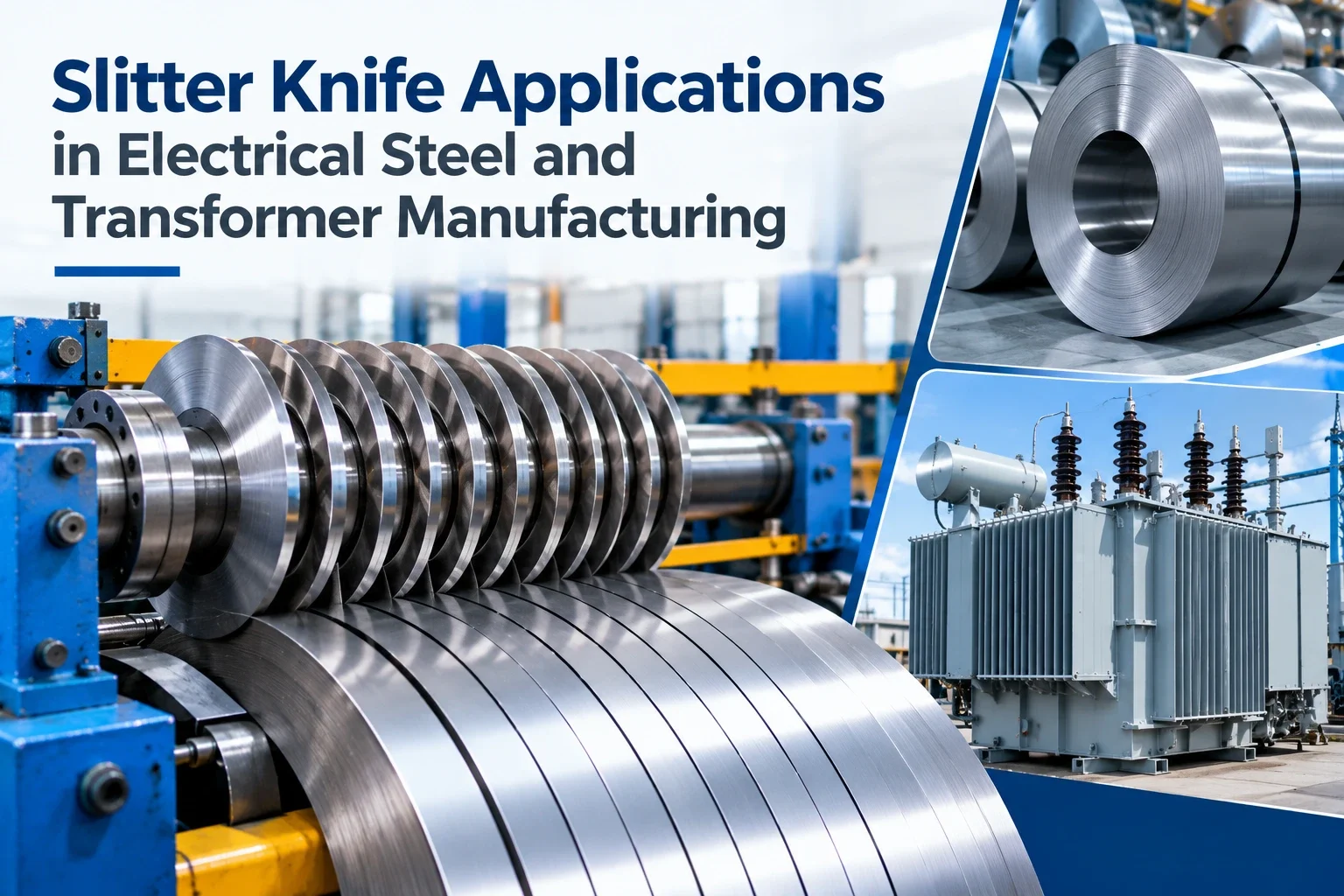
Electrical steel is essential for making transformers, electric motors, generators and other electrical equipment. Electrical steel magnetic properties improve energy efficiency. Reduce power losses in electrical systems. However keeping steel performance consistent requires careful handling of material and precise processing during manufacturing.
One important step in this process is slitting. Wide coils of steel are cut into strips that meet specific production requirements. Cutting tools must have quality because they affect dimensional accuracy, edge condition, material utilization and production efficiency. Slitter knives become mandatory for steel and transformer manufacturing.
Knowing how slitter knives support coil processing helps manufacturers improve production consistency and keep component quality high for equipment.
Understanding Electrical Steel Processing
Electrical steel is specifically developed for applications that involve fields. Electrical steel is commonly classified into grain-oriented steel (GOES) and non-oriented electrical steel (NGOES).
Grain-oriented electrical steel is widely used in transformer cores because grain-oriented electrical steel has magnetic properties in the rolling direction. Non-oriented electrical steel is widely used in rotating machinery such as motors and generators where magnetic performance is needed in different directions.
Before electrical steel reaches the manufacturing stage electrical steel may undergo several operations such as rolling, annealing, coating, inspection and coil slitting. Each process must be controlled carefully to keep the intended properties of steel.
Slitting divides a master coil into strips that can be used for subsequent cutting, stacking or component fabrication. Accurate cutting helps manufacturers prepare steel for downstream production while minimizing unnecessary waste.
1. Producing Narrow Strips for Transformer Cores
Transformer cores are commonly assembled from shaped electrical steel laminations. Depending on transformer core design manufacturers may need strips of widths to support subsequent cutting and assembly operations.
During coil processing slitter knives separate steel coil into multiple narrower strips. Selected knife dimensions, edge condition and cutting setup influence the consistency of resulting strip widths.
Uneven widths can create difficulties during processing and may increase trimming requirements. Maintaining consistency helps manufacturers prepare electrical steel that aligns with specifications of the intended transformer design.
Proper tooling selection is therefore a part of establishing a reliable coil-slitting process.
2. Maintaining Edge Quality During Slitting
Edge condition is a consideration when processing electrical steel. Excessive burr formation, edge deformation or uneven cutting can create handling difficulties. Affect subsequent manufacturing operations.
Burrs may interfere with stacking or handling of laminations depending on component design and production process. Excessive edge damage can also complicate operations that require accurately positioned steel sections.
Condition of cutting edge, blade clearance, machine alignment and material properties all influence the result.
Manufacturers should regularly inspect slitter knives for wear, chipping and edge damage. Maintaining clearance between upper and lower knives can help control burr formation and support consistent cutting quality.
3. Supporting Magnetic Performance Through Careful Processing
Electrical steel is selected for steel magnetic characteristics but electrical steel performance can also be influenced by mechanical processing.
Cutting and other manufacturing operations may introduce mechanical stress near material edges. Depending on steel grade, thickness and processing conditions this stress can affect behavior near the cut edge.
For this reason manufacturers should consider than just strip width when evaluating slitting quality. They should also assess burr height, edge deformation and any relevant material-performance requirements.
Appropriate knife geometry, cutting edges and controlled machine settings can help reduce avoidable mechanical damage. However slitting alone does not determine magnetic performance of transformer core; material grade, coating, annealing, core design and assembly methods also play important roles.
4. Improving Material Utilization and Reducing Scrap
Electrical steel can represent a material cost in transformer manufacturing. Poor cutting accuracy may lead to strip widths, excessive trimming and increased scrap.
Accurate slitting helps manufacturers divide coils according to production requirements. When tooling and machine setup are properly matched to the application manufacturers can improve strip-width consistency. Use available coil material more effectively.
Several factors contribute to material utilization:
- Selecting knife dimensions appropriate for required strip widths.
- Maintaining positioning of slitting tools.
- Inspecting cutting edges for wear and damage.
- Verifying slitting setup before production.
- Monitoring strip dimensions and edge quality, throughout the run.
These practices can help reduce material losses and improve production planning.
5. Managing Wear in High-Volume Coil Processing
Electrical steel processing may involve production runs in which cutting tools are exposed to repeated mechanical loads. Wear can develop gradually causing edge rounding, chipping or other forms of deterioration.
Manufacturers may notice increasing burr formation changes in edge quality or inconsistent strip dimensions as wear progresses. Keeping tooling in use can raise the risk of rejected material and unplanned downtime.
A planned inspection and maintenance program helps find these problems before they become more serious.
Maintenance activities may include checking blade condition, measuring dimensions inspecting mounting surfaces and evaluating the machine’s alignment. Sharpening or replacing must follow the tooling manufacturer’s recommendations and the requirements of the application.
The proper inspection interval depends on the steel grade, material thickness, production volume, cutting conditions and blade characteristics.
6. The Importance of Blade Material and Manufacturing Precision
The material and manufacturing quality of a slitter knife influence its ability to keep a cutting edge under operating conditions.
Tool steel selection should consider hardness, toughness wear resistance and the possibility of edge chipping. Heat treatment must also be controlled to achieve the required material properties without distortion.
Grinding accuracy is another factor. Flatness, parallelism dimensional tolerances and cutting‑edge geometry all affect how the blade fits and performs inside a slitting system.
A blade built to specifications can keep stable cutting conditions when combined with correct installation and machine setup.
Maxwell Slitter Industries works in the industrial cutting‑tool sector, where manufacturing precision and tooling quality're key. For steel processors checking blade specifications against material requirements and production conditions is a practical step toward reliable slitting results.
7. Best Practices for Slitting Electrical Steel
Manufacturers can improve reliability by following an approach to tooling selection and machine operation.
First determine the steel grade, thickness, required strip widths and acceptable edge‑quality limits. These details help choose the blade specifications and machine settings.
Next verify that the knives fit the slitting equipment. Check the blade dimensions, mounting arrangements and condition before installation.
During setup follow the machine manufacturer’s recommendations for blade clearance, alignment and operating parameters. Conduct initial inspections to confirm that the strips meet the required specifications.
Finally watch the production for changes in burr formation cutting consistency and tool wear. Documenting mandatory inspection results can help spot recurring issues. Guide better maintenance planning.
Conclusion
Slitter knives play a role in electrical steel and transformer manufacturing by turning wide coils into accurately sized strips for downstream processing. Their condition, geometry, material properties and precision influence strip‑width consistency, edge quality, material utilization and production reliability.
By combining tooling with correct blade clearance, careful machine alignment and regular inspection manufacturers can lower mandatory cutting defects and keep processing conditions steady.
For transformer manufacturers and electrical steel processors a well‑managed slitting operation is essential, for producing components that meet dimensional and material‑quality requirements.