Sign up with Google
 Sign in with Zoho

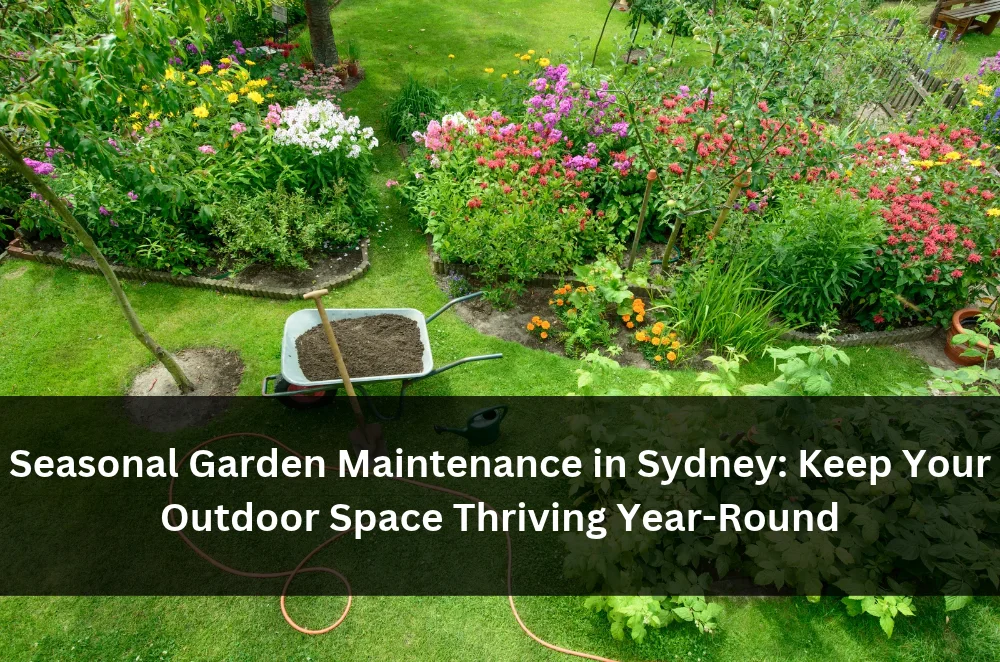
Sydney gardens cop a fair bit of punishment—humid summers, dry westerlies, the odd hailstorm and weeks of relentless sunshine. It calls for a plan.
Why the Harbour City’s Climate Keeps Gardeners on Their Toes
Rainfall in Sydney often arrives in short, heavy bursts, followed by stretches of heat that bake the topsoil. Lawns can surge, then stall. Shrubs that looked settled in autumn may wilt by February. That’s why many locals look for trusted advice on maintaining gardens from professionals who understand the city’s microclimates.
Left to chance, a garden can lurch between water-logging and dehydration. Mulch breaks down faster in humid conditions, exposing roots. Pests such as azalea lace bug love a warm winter. Without regular check-ins, small issues become expensive fixes—dead turf, fungal outbreaks, reticulation blow-outs.
Telltale Signs Your Plot Needs a Seasonal Tune-Up
Some clues creep up quietly; others shout at you from the driveway.
- Lawns thinning out or developing bare, compacted patches.
- Citrus dropping more fruit than usual.
- Drip lines spraying fine mists instead of steady dribbles.
- Powdery mildew making white splotches on zucchini and pumpkin leaves.
- Hedges losing shape because growth spurts aren’t trimmed early.
Spot one or two and it’s probably time to review the routine—watering duration, mowing height, fertiliser timing and pest checks.
Mid-season audits pay off. A quick scratch under mulch reveals whether moisture is holding below the surface. Press a handful of soil; if it crumbles immediately, you’re in deficit territory. Catching that in early summer costs a bag of compost. Ignoring it until late January can cost half the veggie patch.
Building a Sydney-Friendly Maintenance Calendar
A written calendar sounds fussy, but it prevents the classic Sydney mistake: thinking winter is idle time and summer is the only busy season. Each quarter has jobs that set up the next.
Pin the chart by the garden shed door or set reminders in your phone—either way, tasks stop slipping.
Fine-Tuning for Microclimates
Inner-west courtyards differ from northern beaches backyards. If afternoon sun bounces off brick walls, moisture evaporates quicker; western suburbs with clay soils hold water longer after rain. Adjust watering volume and frequency rather than following a single rule. A moisture meter costs less than a bag of fertiliser and saves thousands of litres across a summer.
For deeper seasonal planning, many homeowners compare notes with neighbours or browse a Sydney seasonal garden checklist on local blogs. Seeing how others time their rose pruning or buffalo-lawn renovation can sharpen your own schedule.
Saving Water Without Sacrificing Colour
Water restrictions ebb and flow. Even in years without formal limits, utility bills nudge gardeners toward efficiency.
- Drip irrigation delivers water at root level, reducing evaporation.
- Wetting agents help sandy soils hold moisture, trimming run-off.
- Organic mulches two fingers thick cut surface evaporation by around a quarter.
- Selecting drought-tolerant natives for the sunniest spots slashes overall demand.
The NSW Government’s guide to water-wise gardening gives plant lists and practical retrofit tips worth bookmarking. Embracing those ideas keeps the garden green without draining the dam levels.
When Professional Help Earns Its Keep
DIY has its limits. Mature tree pruning on ladders, diagnosing lawn fungal diseases or overhauling a timer-based reticulation system often deserve skilled hands. Experienced crews carry insurance, sharpened tools and enough staff to finish big jobs in one visit, avoiding stress for both plants and owners.
Professional maintenance also bundles little tasks—checking blade sharpness, calibrating fertiliser spreaders, sanitising pruning equipment—chores that prevent hidden problems like disease transfer. The periodic cost can offset larger replacement bills down the track.
A Living Landscape All Year
Gardens shouldn’t look fabulous for three months, then limp along until next spring. By matching tasks to Sydney’s seasons, using water wisely and calling in expertise when jobs outgrow the weekend, you keep plants thriving and property value upward. It’s less about endless labour, more about the right moves at the right moments.
FAQs
How often should I mow in a Sydney summer?
Most warm-season lawns need cutting every 7–10 days when growth peaks. Raise the mower deck a notch to shade the soil and reduce heat stress.
Is winter fertilising necessary?
Yes, but choose a slow-release blend. Nutrients applied in late winter feed root systems ahead of spring growth, giving plants a head start.
What mulch depth works best for water retention?
Around 5–7 cm is usually enough. Thicker layers can repel water; thinner layers dry out quickly.
Can I plant vegetables year-round in Sydney?
Many cool-season crops, like lettuce and spinach, perform through winter, while tomatoes and basil thrive in summer. Rotate beds and amend soil between plantings to avoid disease build-up.