Sign up with Google
 Sign in with Zoho

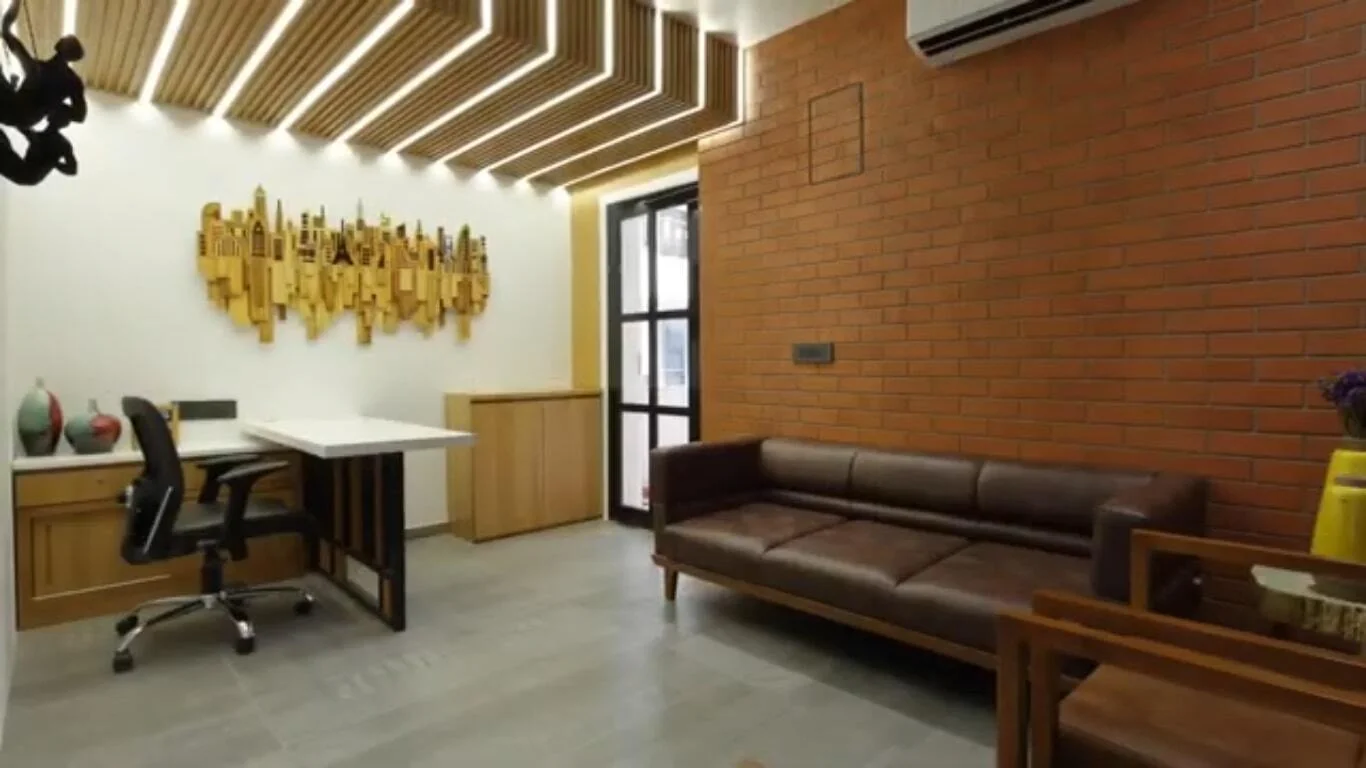
A workplace can be efficient without relying solely on mechanical equipment, as the building itself can control temperatures, light exposure, airflow, and glare, provided that it is taken into account in its early planning. This principle is called passive design, and it can make commercial buildings more comfortable and energy-efficient places.
Start With the Building Orientation
The placement of an office building may affect the amount of heat in it, as some of its sides will face the sun at different times of a day. Therefore, the placement of workspaces, meeting rooms, service areas, and entries should consider this aspect.
A well-placed orientation will reduce the penetration of harsh sunlight into the structure, while allowing useful daylight into the working areas. This reduces power consumption for lighting and cooling the building at work hours. The surrounding structures must also be analyzed since they can cast shadows over the site or add to the overall heat.
Make Daylight Work Better
Natural lighting can make the office more comfortable and reduce the need for artificial lighting. However, it is not enough to add several large windows to the structure.
Solar radiation can cause glare on computer screens and increase the overall temperature of the working space. Thus, the size, height, depth, shading objects, and interior finishes of the windows should be considered. The use of light colors will help reflect light deeper into the room, while specially designed screens will prevent discomfort from bright light.
Encourage Natural Ventilation
Air movement is another aspect of passive planning. Windows at appropriate places allow inflow of fresh air and the escape of warm air.
Cross-ventilation is particularly effective if the outside conditions are conducive. A courtyard, a ventilated corridor, an atrium, or specially placed openings can help to draw air through the building. Internal walls should be positioned so as not to obstruct these routes
Natural ventilation cannot be relied on totally, but it can reduce the need for mechanical cooling, thus reducing the load on air-conditioning systems.
Control Heat Through the Envelope
The roof, walls, windows, and other openings make up a building’s envelope. The construction of these elements can greatly affect the rate at which heat from the outside moves into the building.
Properly placed insulation, glazing, shaded windows, reflective roof coatings, and other constructions can reduce unwanted heat gain. Of all the elements, roofs are the most important since they are often exposed to prolonged solar radiation.
The type of construction depends on the climate in which the building is located, its orientation, the time the building is occupied, and the construction methods used, rather than a specific set of guidelines.
Use Shading as an Architectural Element
Externally applied shading can be more effective than internally applied curtains or blinds. Overhangs, fins, recessed windows, screens, pergolas and balconies, intercept sunlight before it gets to the glass.
These elements can be used to add interest to a building's exterior. Their size and placement should be related to the sun's path. A well planned out facade can not only offer protection, but add depth to the building's exterior.
Create Useful Outdoor Connections
Terraces, shaded courtyards, planted edges and semi-enclosed areas offer an escape from the confines of interior workspaces. These areas can also help moderate their immediate surroundings if plant life and shade are incorporated thoughtfully.
Trees can offer protection from direct exposure on specific surfaces, while planted areas can help soften the edges of a harsh urban environment. Outdoor meeting places can serve as another option for impromptu conversations when the weather cooperates.
Reduce Dependence on Artificial Lighting
A passive approach to the design process is not about avoiding the use of electricity, but rather about seeking to optimize the use of available resources prior to their utilization.
Workstations can be arranged in such a way that daylight falls on the working plane, where it can effectively serve its purpose, and lighting controls and sensors can be used to compliment the daylight and further reduce the need for artificial lighting in the area, thus saving electricity.
Consider Other Factors than Temperature
In addition to temperature, humidity, air speed, radiant temperature, clothing,occupancy, and activity levels also affect human comfort.
As such Passive measures should be applied in combination, rather than in isolation, since each procedure or material has a different effect on the building’s energy consumption and thermal characteristics. A shading device will reduce solar heat gain, insulation will reduce heat loss through the building envelope, and natural ventilation will reduce temperature difference.
Plan According to the Local Conditions
The strategy of passive design is appropriate to the local context. What might work in one climate, will not necessarily be successful in another. A passive design that was ineffective in a hot and dry region could shield an office from excess solar gain, but it would require modification to remain efficient in a warm and wet area.
When developing strategies for offices in Ahmedabad, the summer heat, solar radiation, monsoon rains, and the presence of urban structures nearby, should be considered. These elements affect the layout, orientation, and materials of the building, its shading, landscaping, and airflow.
Think About the Long Term
Modest interventions have the potential to bring significant benefits to businesses by reducing expenditure on air-conditioning and electricity. Moreover, passive design could improve the comfort of the staff and the functionality of the office space.
In most cases, the impact of passive design is not visible in a single impressive element. It is usually a combination of several carefully selected solutions that make a noticeable difference. Companies that want to make their offices more comfortable and efficient should contact an architect for modern office in Ahmedabad. The professional will be able to devise a passive design concept that will meet the needs of a business and the local climate.