Sign up with Google
 Sign in with Zoho

Delhi, the capital of India, is a fascinating city where ancient history meets modern development. From centuries-old monuments and historic neighbourhoods to bustling markets and impressive architecture, the city has countless stories waiting to be discovered. While many travellers know famous attractions such as India Gate and the Red Fort, Delhi also hides several lesser-known facts that make its heritage even more remarkable. Exploring these hidden details can transform an ordinary visit into a memorable cultural experience. With Delhi Sightseeing Packages, visitors can discover the capital’s historical treasures, architectural wonders, and fascinating stories while experiencing the city's unique character.
1. Delhi Has Been Associated with Multiple Historic Cities
Did you know that modern Delhi developed through several historic settlements rather than emerging as a single city at once? Over centuries, different rulers established capitals and fortified settlements across the region, leaving behind impressive architectural remains.
The places associated with Delhi's historic development include Mehrauli, Siri, Tughlaqabad, Jahanpanah, Firozabad, Shahjahanabad, and New Delhi. Each reflects a different period of political power, urban planning, and architectural style.
For example, Shahjahanabad, founded by Mughal emperor Shah Jahan in the seventeenth century, forms an important part of present-day Old Delhi. Its narrow lanes, traditional markets, and historic monuments continue to reflect the city's Mughal heritage.
Why it matters: Delhi is not simply one historic capital; it is a layered urban landscape shaped by centuries of change.
2. Agrasen Ki Baoli Is a Remarkable Underground Structure
Agrasen Ki Baoli, located near Connaught Place, is one of Delhi's most intriguing historical landmarks. This stepwell features a long flight of stairs descending towards a deep water reservoir, with symmetrical stone arches and multiple levels creating a striking architectural appearance.
Stepwells traditionally served practical purposes, including collecting and storing water. They also provided relatively cool spaces during hot weather. Although Agrasen Ki Baoli is traditionally associated with the legendary King Agrasen, the exact origins of the surviving structure are uncertain.
Its unusual design and peaceful atmosphere make it popular with photographers, architecture enthusiasts, and history lovers.
Did you know? This historic stepwell offers a glimpse into traditional water-management techniques used before modern water infrastructure.
3. Delhi Has a UNESCO-Recognised Mughal Garden Tomb
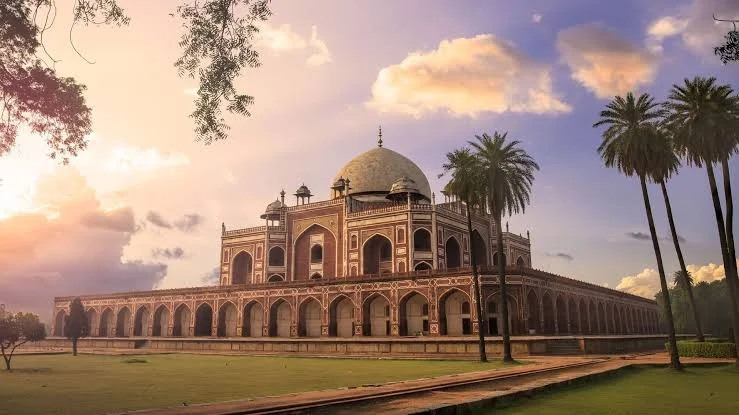
Humayun's Tomb is widely admired for its grand architecture, but its historical importance extends beyond its beauty. Built in the sixteenth century for Mughal emperor Humayun, the monument is recognised as a UNESCO World Heritage Site.
The tomb's carefully planned garden layout, water channels, pathways, and monumental structure represent important features of Mughal architecture. Its design also influenced later architectural developments in the Indian subcontinent, including elements seen in the evolution of grand Mughal tombs.
The surrounding complex contains additional historic structures, making it an excellent place to explore Delhi's architectural heritage.
Why it matters: Humayun's Tomb demonstrates how Persian-inspired garden design and Indian architectural traditions came together to create a distinctive Mughal style.
4. Delhi's Ridge Is an Important Natural Heritage Area
Delhi is often associated with traffic, busy streets, and modern buildings, but the city also contains the Delhi Ridge, a rocky extension of the ancient Aravalli landscape.
The Ridge includes areas of woodland and scrub vegetation that provide habitats for birds, insects, and other wildlife. It also contributes to the city's green spaces and offers opportunities for nature appreciation away from crowded urban districts.
Different sections include protected forest areas, so access rules vary. Visitors should use permitted paths and avoid disturbing wildlife or vegetation.
Did you know? Delhi's natural landscape is much older than many of its historic monuments, and the Ridge is an important part of the region's ecological heritage.
5. Delhi's Markets Reflect Centuries of Trading Traditions
Delhi's markets are more than shopping destinations; many are closely connected to the city's historical development. Chandni Chowk, established during Shah Jahan's reign in Shahjahanabad, became an important commercial centre linking traders, craftspeople, and customers.
Today, the area is known for its busy lanes, traditional food shops, textiles, jewellery, spices, and historic religious buildings. Other markets across Delhi reflect different periods of urban growth and changing consumer culture.
Why it matters: Delhi's trading history remains visible in its markets, where traditional crafts, regional cuisines, and everyday cultural practices continue to thrive.
A Luxury Bus rental in Delhi can make transportation more convenient for larger family outings, educational tours, or organised group visits.
Conclusion
Delhi is a city full of surprises, where ancient settlements, ingenious water structures, Mughal architecture, natural landscapes, and historic markets reveal stories beyond the usual tourist attractions. These five hidden facts offer a deeper understanding of the capital's remarkable past and vibrant present. Whether you are a first-time visitor or a returning traveller, exploring these lesser-known details can make your journey more meaningful. Maharana Cab Delhi can help you discover the city's fascinating heritage and create lasting memories while exploring India's historic capital.