Sign up with Google
 Sign in with Zoho

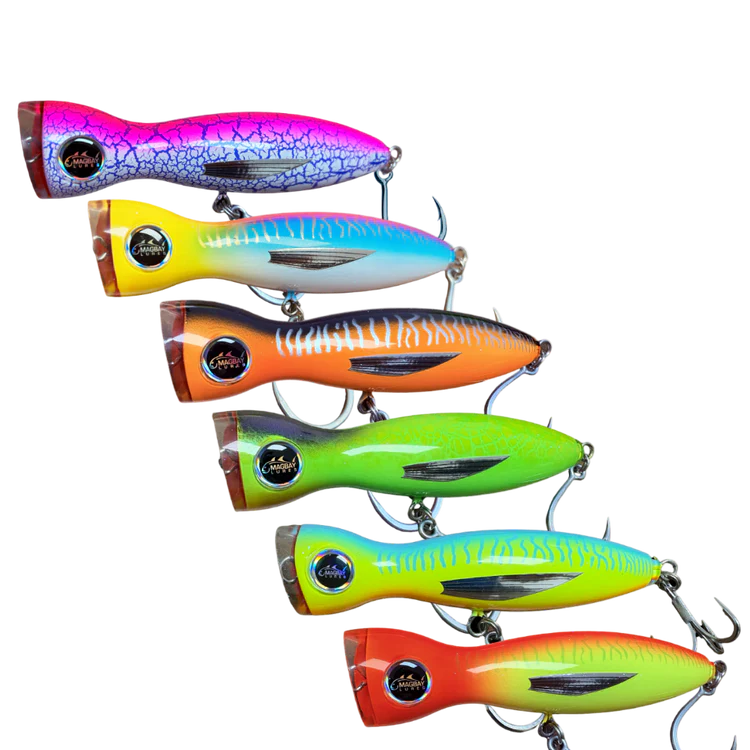
You see tuna crashing bait on the surface and think it’s about to be wide open. Lines in the water, adrenaline up, but nothing sticks. It happens more than people admit. Surface chaos does not automatically mean easy bites. There’s a difference between feeding activity and clean hookups, and most anglers learn that the hard way.
Surface Action Isn’t Always Aggressive Feeding
Tuna-busting bait can mean a few different things. Sometimes they’re pinning bait to stun it. Sometimes they’re herding it. Sometimes they’re just slashing through schools without fully committing. From the boat, it all looks the same. Splashing water, bait spraying, birds diving.
What matters is how they’re eating.
Are they blowing up once and disappearing?
Are they staying up and circling?
Are they picking individual baitfish or crashing blindly?
Those details matter more than the splash.
Watch the Bait, Not Just the Tuna
Most anglers lock eyes with the tuna. Instead, watch the bait. Tight bait balls mean pressure from below. Scattered bait usually means the tuna already pushed through once. If the bait is tiny and glassy, your lure needs to match that size and profile. If it’s larger sardines or mackerel, you can go bigger.
Color matters too, especially in clear water. If the bait flashes silver and blue, throwing something dark and solid might not get noticed. On overcast days, contrast can actually help more than shine. You have to read what’s happening, not just react fast.
Timing the Cast Matters More Than Distance
A lot of missed chances happen because anglers rush the cast. Tuna pops up, someone throws instantly, lure lands right in the middle of the explosion. That looks good to us, but tuna are already moving.
Casting ahead works better. Let the lure land where they’re going, not where they were. Then keep it moving. Fast enough to stay interesting, not so fast it skips unnaturally. Surface feeds are quick. If your lure pauses too long, the window closes.
When Surface Lures Shine
There are moments when topwater is exactly right. Early morning light, low pressure, calm water. Tuna are comfortable staying up. That’s when Tuna poppers can draw violent strikes. The sound, the splash, the commotion- it matches what’s already happening naturally.
But they’re not magic. If the tuna are short striking or swiping without commitment, you may need to change retrieve speed or even step down in size. Sometimes it’s not the lure type that’s wrong, just how it’s being worked.
Slow down slightly if they’re missing it. Speed up if they’re following but not hitting. Small adjustments matter.
Clear Water Changes Everything
In blue, clean water, tuna get a good look at your presentation. That’s when subtle differences in color and finish become obvious. Too bright can look unnatural. Too dull can disappear.
You don’t always need the loudest option in your box. Sometimes, a more natural bait tone gets more consistent eats. Other days, a little flash pulls them from deeper in the column. Pay attention to how long they track before striking. If they’re turning away at the last second, something is off.
Boat Position Is Often the Real Problem
Anglers love to blame the lure. Many times it’s the boat angle. Coming straight at a feeding school pushes them down. Sliding in from the side and keeping distance lets them stay up longer.
If the fish keep sounding every time the boat gets close, back off. Kill the engines sooner. Let the fish reset. Then cast from the edge of the action instead of charging into it.
Hookups improve when the fish feel less pressured.
When to Change Instead of Forcing It
If you’ve had three clean opportunities and no solid bite, change something. Retrieve speed. Lure size. Color. Casting angle. Don’t keep repeating the same cast, hoping for a different result.
Sometimes, tuna are keyed in on micro bait and won’t commit to larger offerings. Sometimes they want more surface noise. Sometimes they want less. You figure that out by adjusting early, not after an hour of frustration.
Gear Confidence Matters Too
There’s also something to be said about throwing gear you trust. If you hesitate on the retrieve or second-guess the presentation, it shows. Smooth casts, steady rhythm, controlled pressure after the strike- that confidence builds consistency.
Toward the end of the day, when you’ve seen fish blow up but struggled to connect, small refinements make the difference. That’s where well-built options from brands like Magbay Lures come into play. When the hardware holds and the action stays true, you remove one more variable from the equation.
Final Thoughts
Tuna crashing bait looks chaotic, but there’s structure to it if you slow down and read it properly. Watch the bait. Lead the school. Adjust retrieve. Change when needed. Stay off the throttle. Keep your presentation clean.
Surface feeds can turn wide open in seconds or shut down just as fast. The anglers who connect consistently aren’t just reacting to splashes. They’re reading behavior and making quick, small adjustments before the opportunity disappears.



.webp)