Sign up with Google
 Sign in with Zoho

.webp)
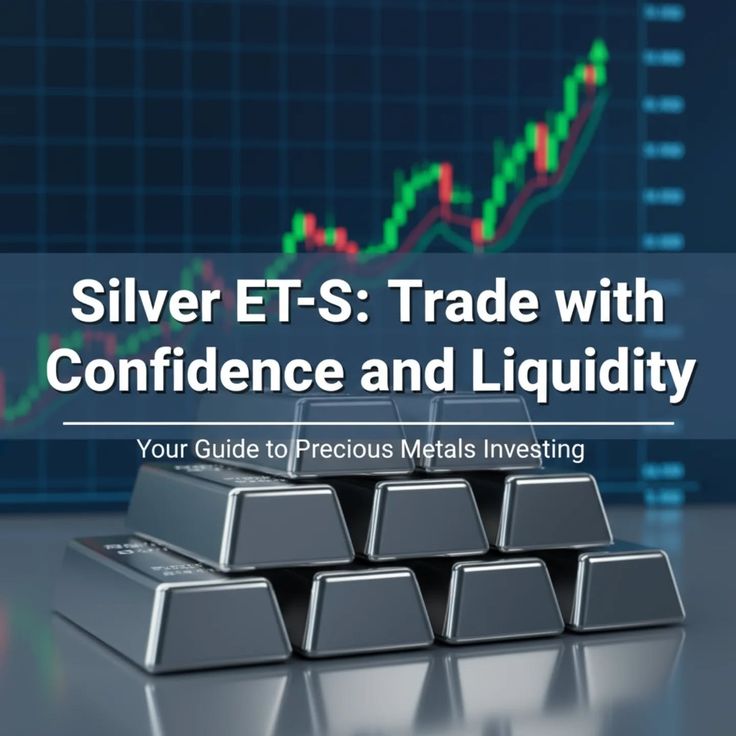
Investors seeking to balance growth and stability increasingly look beyond traditional equities and debt instruments. Precious metals, particularly silver, have emerged as a compelling option for portfolio diversification. Best silver ETFs in India offer a convenient and liquid way to access this asset class without the logistical challenges of holding physical silver, such as storage, security, or purity verification.
Diversification is a key principle of sound investing. By including assets that behave differently from stocks and bonds, investors can reduce overall portfolio volatility and potentially improve long-term returns. Silver ETFs provide this unique advantage, combining the benefits of commodity exposure with the simplicity of exchange-traded funds.
In this detailed guide, we will explore how silver ETFs work, their advantages, key factors to consider when investing, and how they can complement modern portfolio strategies. The article will also highlight how advanced tools like margin trading can interact with diversified investments to enhance capital efficiency.
Understanding Silver ETFs
A silver exchange-traded fund (ETF) is a fund that invests primarily in physical silver of high purity. Each unit of the ETF represents a small portion of the underlying silver held in secure storage by the fund. The value of the ETF units fluctuates in line with the domestic silver price, adjusted for fund expenses.
The major advantage of a silver ETF is that it allows investors to participate in silver price movements without dealing with physical coins or bars. ETFs can be bought and sold on stock exchanges during trading hours, making them highly liquid and convenient for both short-term traders and long-term investors.
How Silver ETFs Differ from Physical Silver
-
Convenience: Buying units of an ETF is similar to buying shares, eliminating the need for vaults or secure storage.
-
Liquidity: ETFs can be sold instantly on the exchange at market prices.
-
Transparency: Investors can easily track the fund’s NAV and performance.
-
Cost Efficiency: ETFs do not carry making charges or fees associated with physical silver purchases.
The Role of Silver in Diversified Portfolios
Diversification reduces the impact of negative performance in any single asset class. Silver provides several diversification benefits:
-
Low correlation with equities: Silver prices often move independently from stock markets.
-
Hedge against inflation: Precious metals have historically preserved purchasing power during periods of rising prices.
-
Industrial demand support: Unlike gold, silver has significant industrial applications, which can drive demand even during stable economic periods.
By including silver ETFs in a portfolio, investors gain access to an asset class that can behave differently from traditional investments, helping to smooth returns and reduce overall risk.
Advantages of Investing in the Best Silver ETFs in India
Cost-Effective Exposure
The best silver ETFs in India typically have lower expense ratios than actively managed commodity funds. Over time, these cost savings can significantly enhance overall returns.
Ease of Trading
Units can be bought and sold like regular stocks. Investors can place limit orders, track market prices in real-time, and integrate ETFs into online brokerage accounts.
Transparent Operations
Fund holdings are publicly disclosed, and the silver backing the ETF is regularly audited. Investors can monitor fund performance and confirm that the ETF reflects the underlying commodity’s value accurately.
Portfolio Flexibility
Silver ETFs can be used for strategic long-term holdings or tactical short-term trades. They can also complement other precious metals, equities, bonds, or alternative assets in a balanced portfolio.
Factors to Consider When Choosing Silver ETFs
Selecting the right silver ETF requires careful consideration of several factors:
Tracking Accuracy
A strong ETF should closely mirror the domestic silver price. Tracking error indicates the divergence between the ETF’s returns and the underlying silver price. Lower tracking errors are preferable.
Expense Ratio
Lower fees improve net returns over the long term. Investors should compare expense ratios among competing ETFs to identify cost-efficient options.
Liquidity
Higher trading volumes allow for smoother execution and tighter bid-ask spreads. Illiquid ETFs may have higher transaction costs.
Fund House Reputation
Established asset managers with a history of disciplined operations are more likely to ensure accurate valuation, proper custody, and regulatory compliance.
Historical Performance
While past performance is not a guarantee of future returns, it provides insight into how effectively the ETF has tracked silver prices and managed costs over time.
Top Silver ETFs in India
Several silver ETFs in India have gained attention due to their performance, liquidity, and reliability. These include:
Nippon India Silver ETF
This ETF has consistently demonstrated strong tracking of domestic silver prices. It is widely traded, offering good liquidity and a transparent fee structure.
SBI ETF Silver
SBI’s offering provides an accessible and regulated route to silver exposure. It emphasizes accurate price replication and operational efficiency.
ICICI Prudential Silver ETF
Known for low tracking error and efficient management, this ETF has become a preferred choice for investors seeking consistent returns in line with silver prices.
HDFC Silver ETF
HDFC’s ETF offers moderate liquidity and a cost-effective structure, making it suitable for both short-term trades and long-term holdings.
UTI Silver ETF
UTI’s product focuses on secure custody, fund transparency, and alignment with domestic silver price movements, appealing to cautious investors.
Risk Considerations
Investors should remain aware of the risks associated with silver ETFs:
-
Price Volatility: Silver can experience sharp swings due to industrial demand shifts or global economic factors.
-
Currency Fluctuations: Silver is globally priced in USD, so rupee movements impact domestic valuations.
-
Tracking Risk: Small deviations from the underlying price may occur due to fund expenses or operational factors.
-
Liquidity Risk: Less frequently traded ETFs may pose challenges in execution.
Despite these risks, careful allocation and a long-term perspective can help investors benefit from the diversification advantages of silver ETFs.
Integrating Silver ETFs into a Diversified Portfolio
A balanced portfolio often includes equities, bonds, cash, and alternative assets. Silver ETFs can complement these holdings by providing a hedge against market volatility and inflation.
Strategic Allocation
Investors typically allocate a small portion of their portfolio to silver ETFs, balancing the potential for upside with the goal of minimizing portfolio risk. A typical allocation may range from 3% to 10% depending on risk tolerance and investment horizon.
Tactical Allocation
Some investors use silver ETFs for shorter-term tactical positions during periods of expected volatility or rising industrial demand. These allocations are actively monitored and adjusted based on market conditions.
Monitoring Performance
Regular review of NAV, market trends, and macroeconomic indicators is essential. Investors should remain informed about global silver prices, industrial demand, and domestic market dynamics to make timely decisions.
Entry and Exit Strategies
Successful investment in silver ETFs requires clear entry and exit plans.
-
Staggered Buying: Accumulating units over time reduces the risk of purchasing at peak prices.
-
Monitoring Technical Levels: Support and resistance levels can guide trading decisions.
-
Review Periodically: Annual or semi-annual reviews help maintain allocation targets.
Taxation of Silver ETFs
Silver ETFs are classified as capital assets.
-
Short-Term Capital Gains (STCG): If sold within 36 months, taxed at the individual’s income tax rate.
-
Long-Term Capital Gains (LTCG): Units held for over 36 months are taxed with indexation benefits, enhancing after-tax returns.
Practical Tips for Investors
-
Focus on low-cost, highly liquid ETFs for ease of trading.
-
Avoid over-allocating; silver should complement, not dominate, a portfolio.
-
Maintain a long-term perspective; avoid reacting to short-term volatility.
-
Diversify across asset classes for balanced risk exposure.
Future Outlook
The global economy continues to create opportunities and uncertainties. Industrial demand for silver is expected to remain strong due to renewable energy, electronics, and healthcare applications. Additionally, inflationary pressures and currency fluctuations can influence precious metal demand.
By keeping a disciplined approach and monitoring key performance indicators, investors can leverage silver ETFs to enhance portfolio diversification while managing overall risk.
Final Thoughts
Investing in the best silver ETFs in India offers a practical way to gain exposure to a valuable commodity while simplifying management and reducing operational hassles. These funds can serve both tactical and strategic roles in a well-diversified portfolio.
At the same time, traders and investors seeking enhanced capital efficiency can explore mstock margin trading. When combined with disciplined risk management and diversification strategies like silver ETF allocation, margin trading can help optimize portfolio flexibility and potential returns without compromising stability.
This approach allows investors to create a portfolio that balances growth opportunities, risk control, and liquidity across market conditions.