Sign up with Google
 Sign in with Zoho
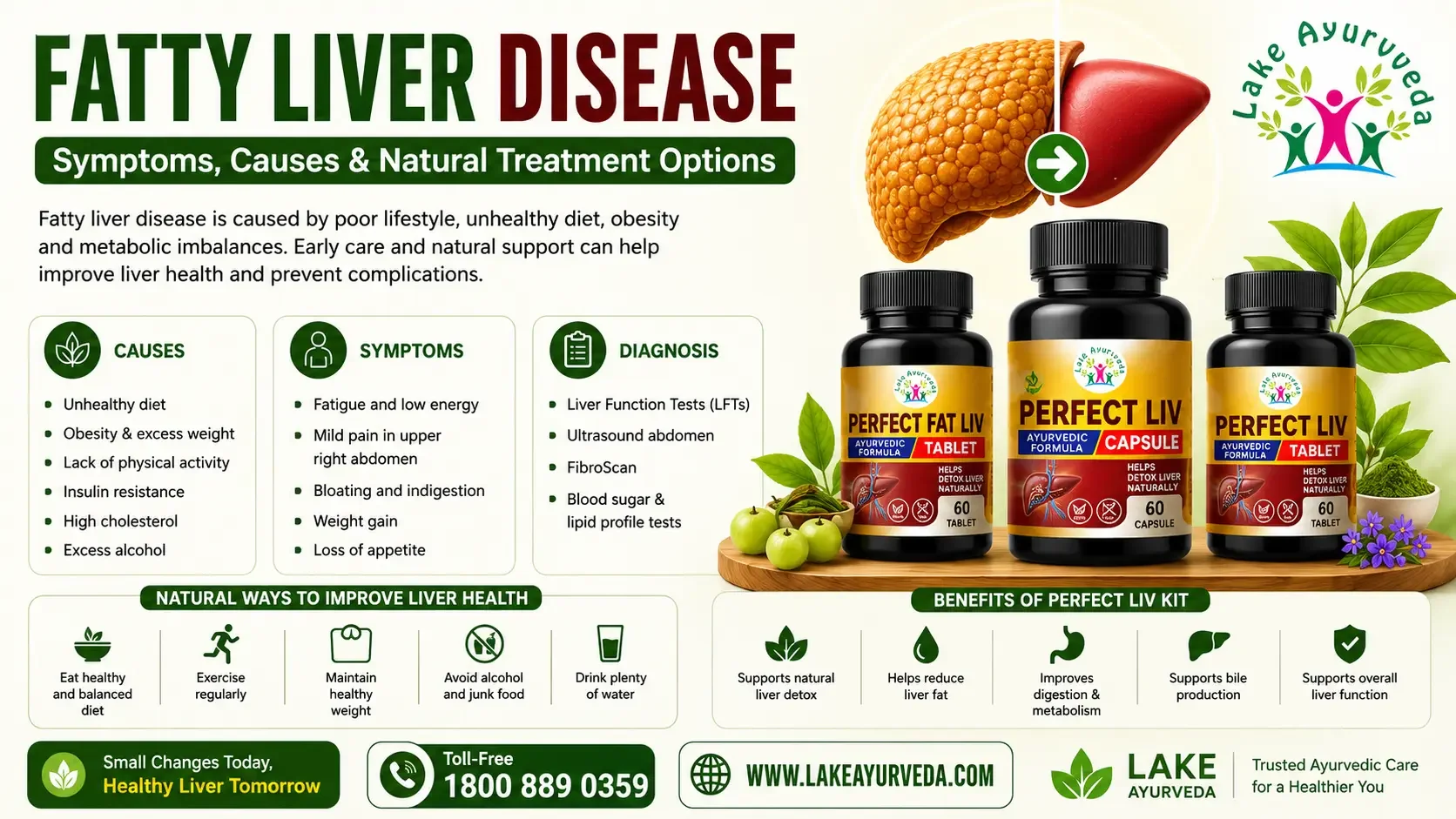
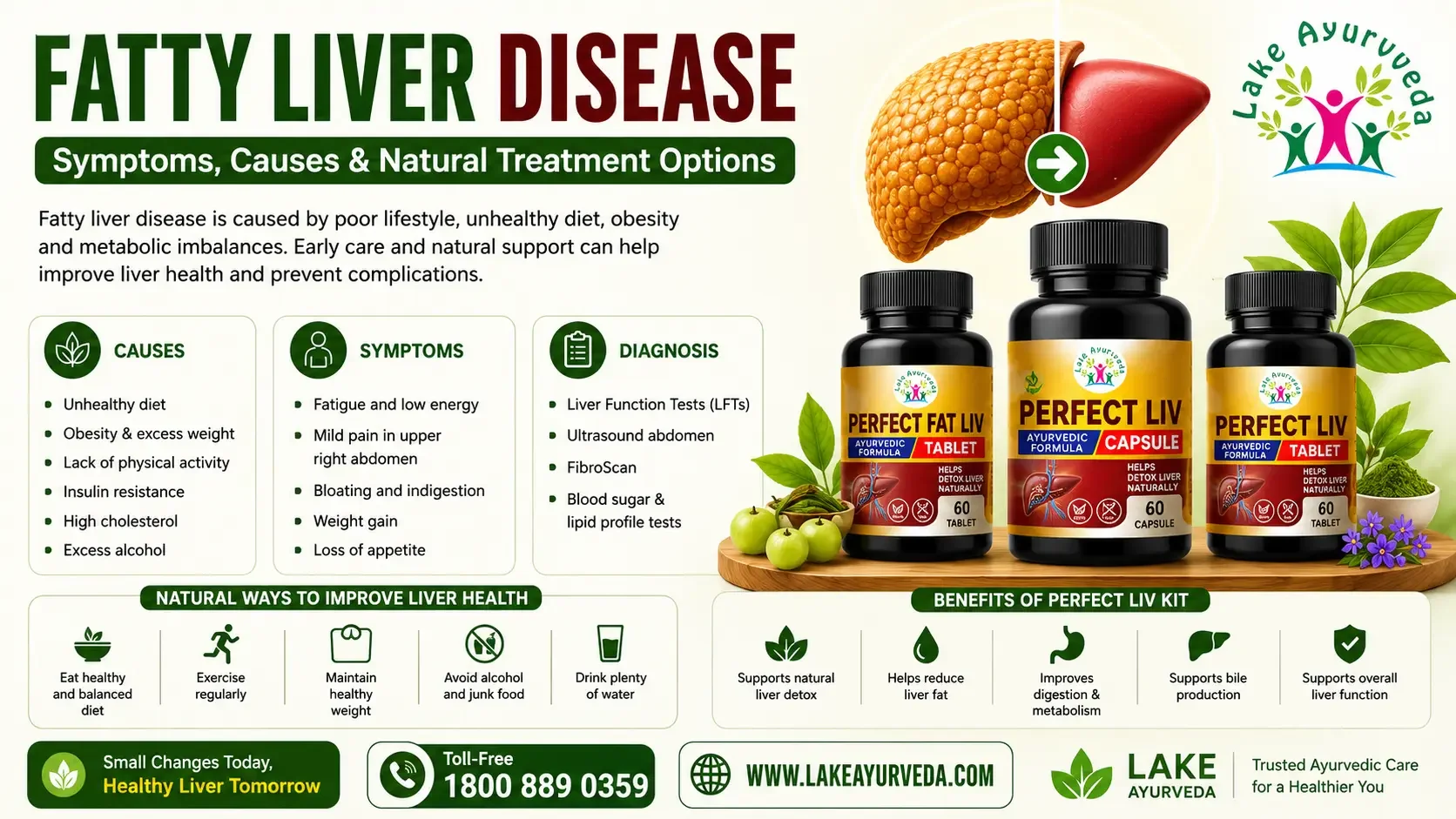
Fatty liver disease is one of the fastest-growing liver disorders worldwide, strongly linked to poor lifestyle habits, unhealthy diet, obesity, and metabolic imbalances. If not managed on time, it can progress into serious liver complications such as inflammation, liver fibrosis, and cirrhosis.
What is Fatty Liver Disease?
Fatty liver disease is a condition where excess fat builds up in liver cells. A healthy liver contains only a small amount of fat, but when fat exceeds 5–10% of liver weight, it leads to liver dysfunction.
There are two major types:
- Non-Alcoholic Fatty Liver Disease (NAFLD) – linked to lifestyle and metabolic issues
- Alcoholic Fatty Liver Disease (AFLD) – caused by excessive alcohol intake
Causes of Fatty Liver Disease
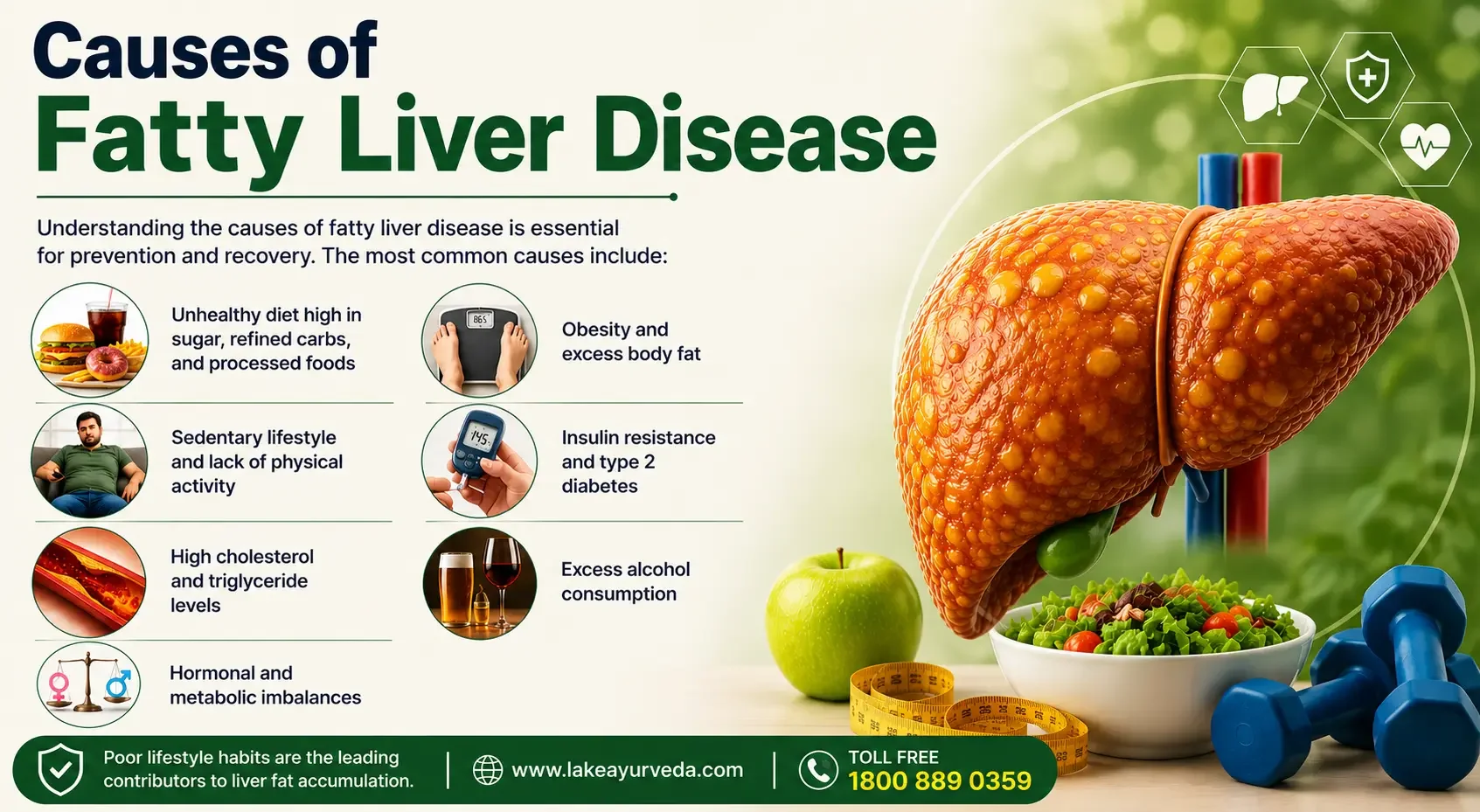
Understanding the causes of fatty liver disease is essential for prevention and recovery. The most common causes include:
- Unhealthy diet high in sugar, refined carbs, and processed foods
- Obesity and excess body fat
- Sedentary lifestyle and lack of physical activity
- Insulin resistance and type 2 diabetes
- High cholesterol and triglyceride levels
- Excess alcohol consumption
- Hormonal and metabolic imbalances
Poor lifestyle habits are the leading contributors to liver fat accumulation.
Fatty Liver Disease Symptoms
In the early stage, fatty liver disease symptoms may not be noticeable. However, as the condition progresses, symptoms may include:
- Persistent fatigue and low energy
- Mild pain or discomfort in the upper right abdomen
- Bloating and indigestion problems
- Unexplained weight gain or difficulty losing weight
- Loss of appetite
- General weakness and poor concentration
Since symptoms are often silent in early stages, regular liver health check-ups are important.
Risk Factors of Fatty Liver Disease
You may be at higher risk of developing fatty liver disease if you have:
- Overweight or obesity
- Type 2 diabetes or prediabetes
- High cholesterol levels
- Poor diet and lack of exercise
- Family history of liver disease
- Metabolic syndrome
Diagnosis of Fatty Liver Disease
Doctors commonly diagnose fatty liver using:
- Liver Function Tests (LFTs)
- Ultrasound abdomen scan
- FibroScan for liver stiffness
- Blood sugar and lipid profile tests
Early diagnosis helps prevent long-term liver damage.
Natural Ways to Manage Fatty Liver Disease
Lifestyle modification plays a key role in reversing fatty liver. Recommended changes include:
- Follow a healthy liver diet rich in fiber, fruits, and vegetables
- Avoid junk food, refined sugar, and processed foods
- Exercise regularly for at least 30 minutes daily
- Maintain a healthy body weight
- Reduce or avoid alcohol intake
- Drink enough water and stay hydrated
These habits can significantly improve liver function and reduce fat buildup.
Ayurvedic Treatment for Fatty Liver Disease
Ayurveda offers natural and holistic support for liver health through detoxification and metabolic balance. Herbal formulations are widely used to support liver function and digestion.
One such Ayurvedic support solution is the Perfect Liv Kit from Lake Ayurveda, formulated to help maintain liver health and support natural detoxification.
Explore more Ayurvedic wellness solutions here: www.lakeayurveda.com
Benefits of Perfect Liv Kit for Liver Health

The Perfect Liv Kit is designed to support:
- Natural liver detoxification and cleansing
- Reduction of excess liver fat accumulation
- Improved digestion and metabolism
- Healthy bile production
- Overall liver function support
It works best when combined with a balanced diet and active lifestyle.
Conclusion
Fatty liver disease is a reversible condition when detected early and managed properly. By adopting a healthy lifestyle, improving diet, and supporting liver function with natural Ayurvedic remedies like the Perfect Liv Kit, long-term liver health can be maintained effectively.
For best results, regular monitoring and professional medical advice are recommended.