Sign up with Google
 Sign in with Zoho
Introduction
The global demand for processed and ready-to-cook food products has significantly increased over the past decade, with pasta emerging as a key staple in both domestic and international markets. This rising consumption has created strong demand for efficient, scalable, and reliable production systems. As a result, manufacturers are increasingly investing in high-performance pasta machines to meet production targets while maintaining product quality.
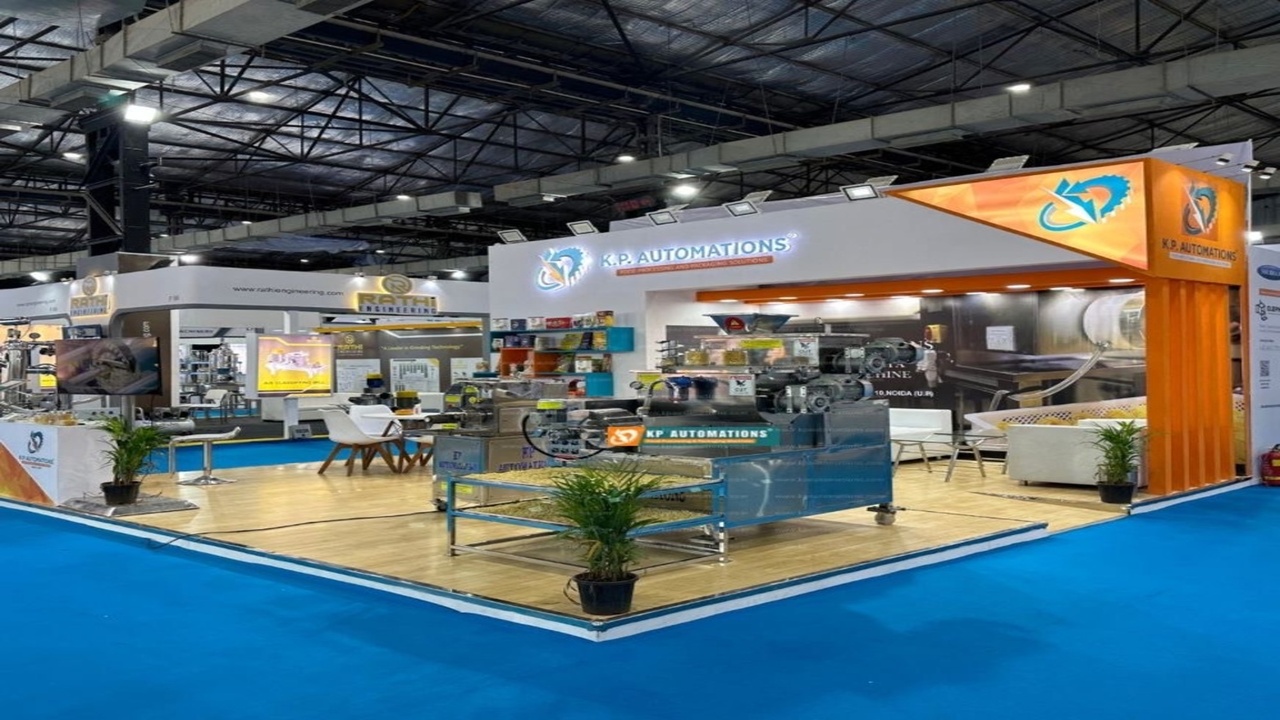
A modern pasta machine is no longer a standalone unit but part of an integrated industrial system designed to handle large volumes with precision. From mixing and extrusion to drying and packaging, advanced pasta machines enable manufacturers to streamline operations and reduce production variability. KP Automations, based in Noida, Uttar Pradesh, has established itself as a key provider of such industrial solutions, supporting food manufacturers with advanced engineering and practical manufacturing expertise.
What Is a Pasta Machine and How It Works
A pasta machine is an industrial processing system that transforms raw ingredients such as wheat flour, semolina, or alternative grains into finished pasta products through a sequence of controlled operations. The process begins with ingredient mixing, where precise water-to-flour ratios are maintained to achieve consistent dough quality.
Once the dough is prepared, it is transferred to a pasta extrusion machine. In this stage, the dough is compressed using a screw mechanism and pushed through specially designed dies. These dies determine the shape and surface texture of the pasta. Maintaining consistent pressure and temperature during extrusion is critical to ensure uniform output.
After shaping, the pasta is cut into required lengths depending on the product type. The product is then moved to an industrial pasta dryer, where moisture content is gradually reduced. Controlled drying prevents cracking and ensures that the pasta achieves the desired shelf life.
Finally, the dried pasta is cooled and transferred to a pasta packing machine, where it is weighed, filled, and sealed for distribution. Each stage is interconnected, making modern pasta machines highly efficient and reliable for continuous production.
Types of Pasta Machines Used in Industrial Manufacturing
Industrial pasta production requires different types of pasta machines depending on the product category and production scale. Each system is designed to handle specific manufacturing requirements while ensuring consistent output.
Short-cut pasta machines are used for producing products such as macaroni, penne, and fusilli. These machines combine extrusion and cutting processes to deliver uniform shapes at high speeds.
Long-cut pasta machines are designed for products like spaghetti and vermicelli. These systems require precise handling to maintain the structure and alignment of long strands throughout the production process.
Automatic pasta machines are widely used in large-scale factories. These systems integrate multiple stages of production into a single continuous line, reducing manual intervention and improving efficiency.
Specialized pasta machines are used for producing gluten-free, millet-based, or multigrain pasta. These machines are engineered to process alternative flours that require different processing conditions compared to traditional wheat-based dough.
Key Components of a Pasta Production Line
A complete pasta production line consists of several essential components that work together to ensure smooth and efficient manufacturing. Each part of the system plays a specific role in maintaining product quality and production consistency.
The pasta extrusion machine is the core component responsible for shaping the dough into various pasta forms. Advanced extrusion systems ensure consistent density and surface quality.
The pasta drying system is critical for reducing moisture content. Industrial pasta dryers use controlled airflow and temperature to ensure gradual and uniform drying.
Material handling systems such as conveyors transport pasta between different stages of production. These systems reduce manual handling and improve operational efficiency.
The pasta packing machine handles the final stage of production by automating the packaging process. This ensures accurate filling, sealing, and labeling, reducing errors and increasing productivity.
Benefits of Using Modern Pasta Machines
Modern pasta machines offer several advantages that make them essential for industrial manufacturing. One of the most important benefits is consistent product quality. Automated systems maintain precise control over processing parameters, ensuring uniform output.
High production capacity is another key advantage. Industrial pasta machines are designed for continuous operation, allowing manufacturers to meet large-scale demand efficiently.
Automation reduces dependency on manual labor, which helps lower operational costs and improve productivity. It also minimizes human error, leading to better process control.
Hygiene is a critical factor in food processing, and modern machines are built using food-grade materials that meet industry standards. This ensures safe and clean production environments.
Energy efficiency is also improved with advanced systems, as they are designed to optimize power consumption while maintaining high performance.
How to Choose the Right Pasta Machines for Your Factory
Selecting the right pasta machines requires careful evaluation of several factors. Manufacturers must consider production capacity, product range, and operational efficiency before making a decision.
Production capacity should align with both current and future demand. Investing in scalable systems allows manufacturers to expand operations without major modifications.
Extrusion technology plays a significant role in determining product quality. High-quality extrusion systems ensure consistent shaping and reduce wastage.
Drying efficiency is essential for maintaining product stability and shelf life. A well-designed industrial pasta dryer ensures uniform moisture removal.
Working with a reliable industrial pasta making machine manufacturer is crucial for long-term success. Businesses can explore advanced solutions and technical expertise by visiting https://pastamachines.in/, which provides detailed insights into modern pasta machines and production systems.
Future Trends in Pasta Machine Technology
The pasta manufacturing industry is evolving rapidly as new technologies and consumer preferences influence production methods. One of the major trends is the increasing demand for gluten-free and health-focused pasta products. This has led to the development of specialized pasta machines capable of processing alternative ingredients.
Energy-efficient systems are becoming a priority as manufacturers aim to reduce operational costs and environmental impact. Advanced drying and extrusion technologies are helping achieve these goals.
Automation and smart manufacturing are also transforming the industry. Modern pasta machines are equipped with digital monitoring systems that allow real-time control and optimization of production processes.
Customization is another growing trend, with manufacturers seeking flexible systems that can produce a wide range of pasta shapes and formulations.
Industrial Presence and Contact Information
For manufacturers looking to invest in reliable pasta machines, local support and technical expertise play a crucial role. KP Automations operates from G.B D-372, D Block, Sector 10, Noida, Uttar Pradesh 201301, India, providing direct access to industrial solutions and after-sales support.
Businesses can connect via phone at +91 9310738142 or email at [email protected] to discuss specific requirements related to pasta machine selection, installation, and production line setup. This accessibility ensures smoother implementation and long-term operational efficiency.
Conclusion
The role of pasta machines in modern food manufacturing is critical for achieving high efficiency, consistent quality, and scalable production. As demand for pasta continues to grow, manufacturers must invest in advanced systems that integrate multiple stages of processing into a seamless operation.
By choosing the right pasta machine and working with experienced manufacturers, businesses can optimize production, reduce costs, and maintain competitive advantage in the market. KP Automations continues to support this growth by delivering reliable and technically advanced pasta machines designed for industrial applications.