Sign up with Google
 Sign in with Zoho

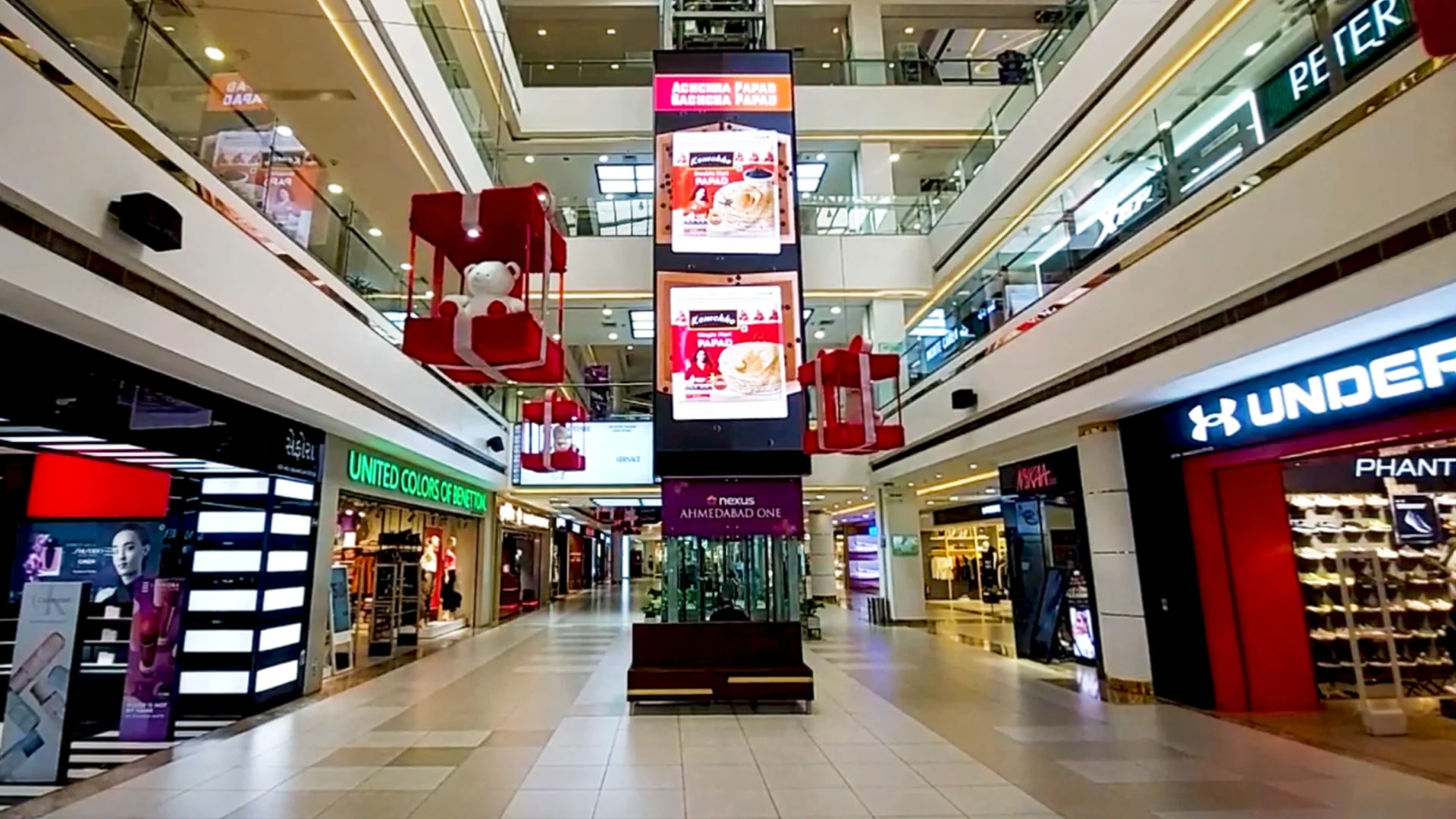
Shopping malls house customers of different ages, occupations and interests. Therefore, brands can use malls to reach the consumers that they are interested in targeting. People spend a lot of time in shopping malls browsing and sampler products and services. Mall advertising services allows brands to capture customers’ attention using various creative, placement and promotional campaigns throughout the mall.
A creative mall advertising campaign can enhance brand recognition, attract customers and increase brand awareness. Use of appropriate advertising formats and locations allows businesses to transform customers’ ordinary mall visits into unique brand experiences.
The Importance of Mall Advertising to a Business
Customers come to a shopping mall with the intent to shop and be entertained. Unlike other traditional advertising methods, businesses have the opportunity to reach customers at the point of sale in a shopping mall. Advertising within a shopping mall allows businesses to increase their brand visibility to customers on site, and to new customers within the mall.
Other benefits include:
- Promoting new products, services and offers to customers.
- Using high footfall areas to get customers’ attention.
- Improving their brand recognition.
- Getting customers to visit their store.
- Using various creative methods to attract customers’ attention within the mall.
For all of the above reasons, shopping mall advertising is very effective for businesses to achieve their advertising goals.
Using Appropriate Mall Advertising Methods
Advertising methods within a shopping mall give businesses the opportunity to be highly creative. Effectiveness of a campaign is determined by how well a particular advertising format is used to achieve the desired goal.
1. Digital Screen Advertising
Digital screens located in prime areas in a mall allow brands to display a range of formats including visuals, videos and messages of their current campaigns and products. Such screens give an opportunity to engage with customers using various types of content.
2. Atrium Advertising
Atriums are the most visible parts of a mall. Therefore, advertising installations in these areas can capture the attention of visitors in different parts of the mall.
3. Branding on Escalators and Elevators
Brand messages placed on escalators and elevators are easily viewed by customers as they move through the mall. These locations give repeated exposure to the brand message throughout the customer’s shopping journey.
4. Branding at Mall Entrances and Exits
Mall entrances and exits are key contact points with customers. Effective branding at these locations, creates a great first impression and reinforces the brand in the mind of the customer as they leave the mall.
5. Brand Activations and Promotions
Activations and promotional activities give customers the opportunity to personally experience and interact with a brand. These activities are important in strengthening and making lasting impressions about a brand on customers.
How to Improve Brand Engagement through Mall Advertising
Displaying advertisements alone does not guarantee that customers will engage with the brand. For higher engagement, brands should create messages and use mediums that truly connect with customers. This typically requires a strong understanding of customers and their interests.
A combination of the right message, the right location and right mediums can create effective brand communication and engage customers.
For example, a technology company could post interactive kiosks to display and explain their products to shoppers. Fashion companies could post eye catching displays to attract potential customers. Likewise, food and beverage companies could set up tables to give out samples and encourage product trials.
The more relevant the ad to the audience, the greater the chance it has to capture interest and inspire action.
Using creativity and surprise to break through the visual clutter of the shopping environment to capture a consumer’s attention can be effective to set a brand apart.
Incorporating new and unexpected elements into designs and messages can help achieve this. Brands must consistently communicate their message and principle with clarity, attractiveness and to inspire action across all their marketing collateral.
Creative use of various formats can reinforce and enhance a campaign's overall visibility. With effective integration and use of various advertising components to support a unified message, customer awareness and experience with the product can be reinforced.
When launching advertising activities in a mall, it is important to define the objective of the campaign. Some possible goals could include enhancing brand awareness, promoting a product, engaging the customers or inviting customers to visit the store. Once the objectives have been defined then the next step is to identify the target audience and decide on the best malls to achieve this. Based on the goals and objectives of the campaign, the best advertising formats can be chosen, which may include digital screens, displays, give away activities or other interactive components.
Create compelling content: Design easy to understand and attractive messages about the brand’s values.
Time your campaigns correctly: Implement campaigns during seasonal festivals, product launches and other shopping events.
Evaluate your campaigns: Assess the results based on customer engagements, queries and visits to the store.
A solid strategy provides companies the opportunity to leveraging advertising opportunities to their full potential.
Make Every Mall Visit Count
Malls create an opportunity for brands to engage with customers in an area that combines multiple facets of entertainment, shopping and social interaction. Successful ad placement along with creative concepts, can improve brand visibility and increase customer interaction. This creates value and builds a recognizable brand.
Any of the company’s objectives including, product promotion and offer publicizing or just simple brand awareness, can be achieved with a well planned mall advertising campaign.