Sign up with Google
 Sign in with Zoho

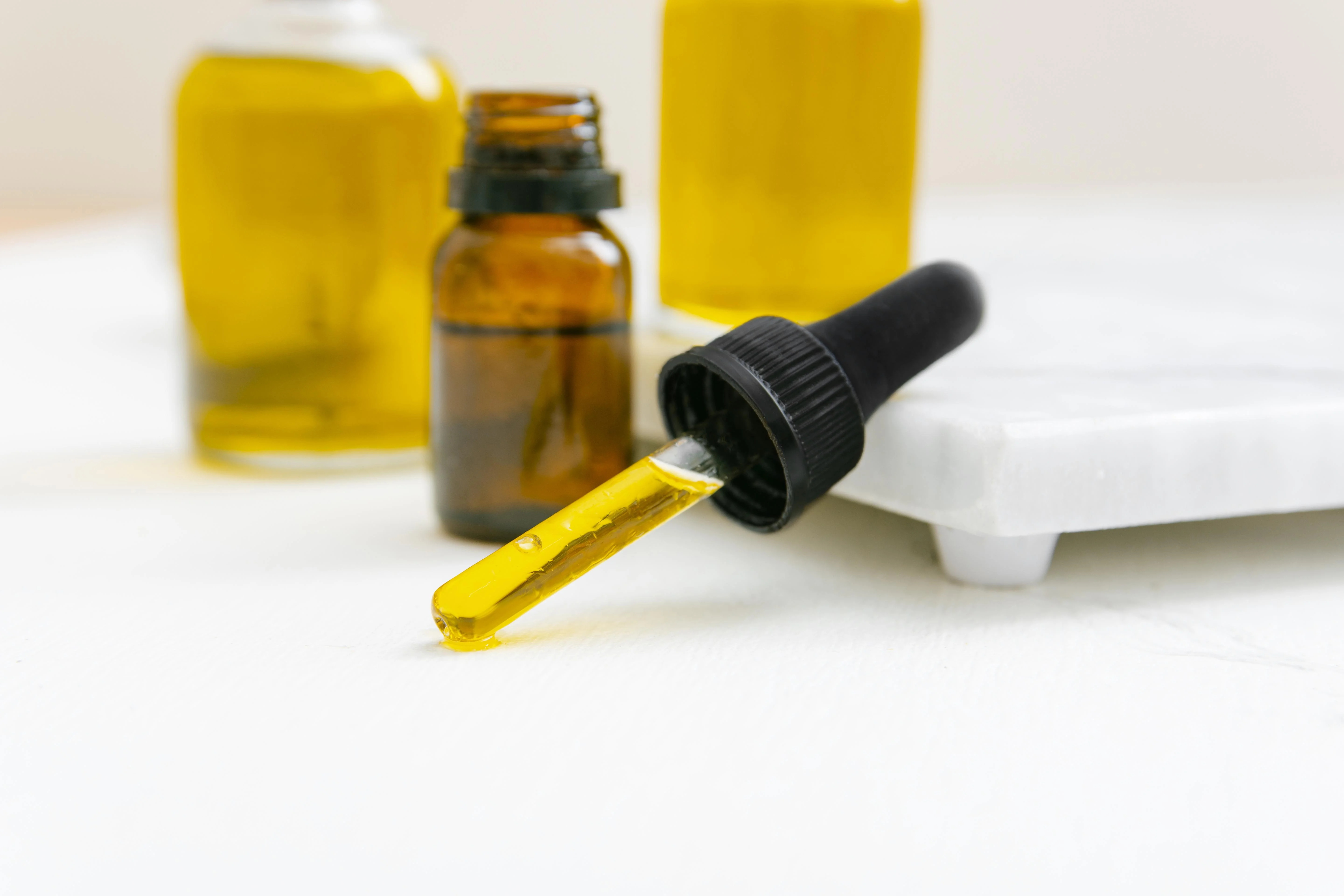
Summer's coming, and with it comes the annual scramble: tanning beds, spray tans, hours baking in the sun trying to get that golden glow before vacation photos start rolling in. If you've spent any time scrolling tanning forums or social media lately, you've probably come across a product promising a shortcut: melanotan oral drops.
But before you add anything new to your routine, it's worth understanding what these drops actually are, how they claim to work, and what you should know before trying them.
What are Melanotan Oral Drops?
Melanotan oral drops are a liquid version of a synthetic compound originally developed to mimic a hormone the body already makes, one that triggers melanin production, which is what gives skin its color. Unlike the injectable version that's been around for years, oral melanotan is taken by mouth, usually under the tongue, which makes it a more convenient option for people who don't want to deal with needles.
There are two main versions floating around: Melanotan I and Melanotan II. Melanotan I is the original compound studied for skin protection purposes, while Melanotan II is the one most commonly linked to tanning and appetite-related effects.
Most oral drop products on the market are based on one of these two compounds, though formulations vary quite a bit between sellers.
How Melanotan Oral Drops Are Meant to Work?
Your skin already has a natural process for making it darker; it's the same process that kicks in when you get sun exposure. Melanotan compounds are designed to trigger that same melanin-production pathway, but without needing as much actual UV exposure to get there.
In theory, this means a tan without spending hours in the sun. Whether that plays out safely and reliably is a different question, which we'll get into shortly.
Oral Melanotan vs. Traditional Tanning Methods
To put things in perspective, here's how melanotan oral drops stack up against more familiar tanning methods:
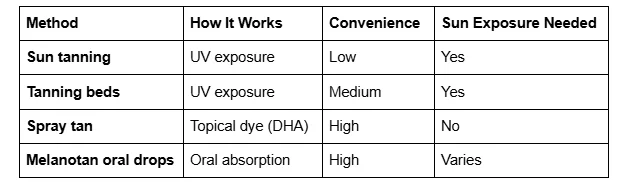
As the table shows, oral drops are marketed mainly on convenience; no salon visits, no UV booth, no waiting around for a spray tan to dry.
Why People Consider Melanotan Oral Drops for Summer?
It's not hard to see the appeal. Between skin cancer concerns and the sheer hassle of traditional tanning, a lot of people are searching for alternatives that don't involve baking under UV rays for hours. Search interest in melanotan oral products tends to spike every year right around this time, as people start prepping for beach trips, weddings, and vacation season.
The people most drawn to this option are usually folks who've tried tanning beds or natural sun exposure and want something that fits into a busier schedule, or who are simply curious about alternatives after seeing them mentioned online.
How It May Fit Into a Tanning Routine?
For anyone exploring this, the idea is usually to start using the drops several weeks before a big event, not the night before. Since melanin production takes time to build, most people who try oral melanotan products use them gradually, alongside minimal sun exposure rather than as a total replacement for it.
Safety, Regulation & What to Know Before Trying It
This is the part that really matters, so let's not skip past it. Melanotan products are not approved by the FDA for tanning or cosmetic use. That means quality control, dosing accuracy, and manufacturing standards can vary a lot from one seller to another, since there's no regulatory body checking these products the way there would be for approved medications.
Because of this, talking to a doctor before trying melanotan oral drops is genuinely important, not just a throwaway disclaimer. A healthcare provider can flag potential interactions with medications you're already taking and help you understand your personal risk factors.
Who Should Avoid It?
A few groups should be especially cautious or steer clear entirely:
- Anyone pregnant or breastfeeding.
- People with a history of skin cancer or unusual moles.
- Anyone with high blood pressure or heart conditions.
- People taking medications that could interact with hormone-related compounds.
If any of these apply to you, it's worth having a real conversation with a doctor before moving forward.
Tips for Anyone Exploring Melanotan Oral Options
If you're still curious after weighing the risks, a few things can help you make a more informed decision:
- Only buy from sellers who are transparent about sourcing and ingredients.
- Start low and pay attention to how your body responds.
- Keep an eye on your skin for any new or changing moles.
- Don't treat it as a replacement for sunscreen; UV protection still matters.
Final Thoughts
FAQs
Q1. Is oral melanotan the same as injectable melanotan?
Ans. Not exactly. They're based on similar compounds, but oral drops are absorbed differently from injections, which can affect how consistent the results are.
Q2. How long does it take to see results?
Ans. This varies a lot from person to person, and there isn't strong clinical data confirming a reliable timeline.
Q3. Does it replace sunscreen?
Ans. No. Even with a tan, skin remains vulnerable to UV damage, so sun protection is still necessary.
Q4. Can it be combined with other tanning methods?
Ans. Some people do combine it with light sun exposure, but this should be approached cautiously and ideally discussed with a healthcare provider first.