Sign up with Google
 Sign in with Zoho

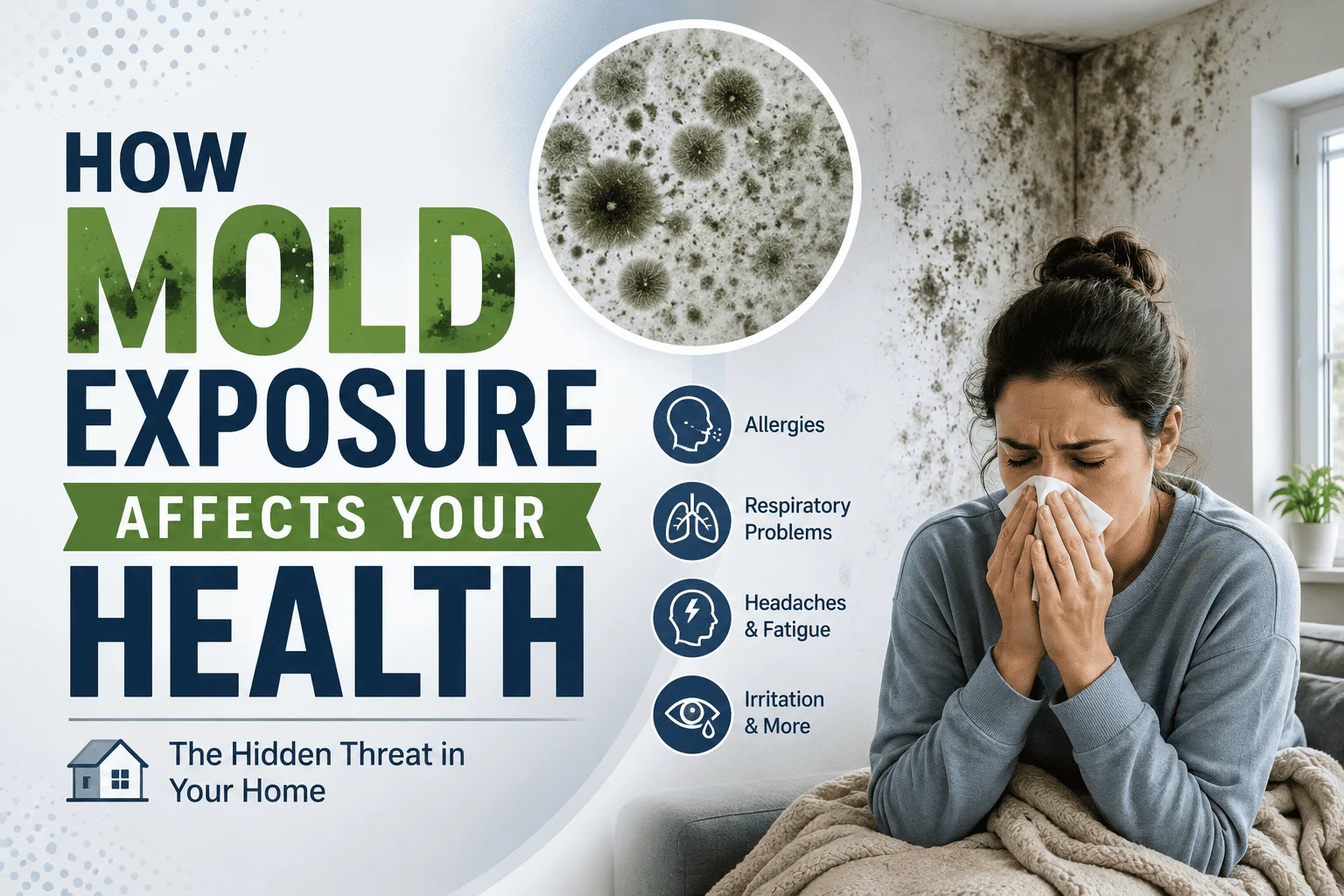
Mold is one of those household problems that's easy to ignore until it becomes impossible to. A patch behind the drywall, a musty smell in the basement, a faint ring on the ceiling — these small signs often get pushed to the bottom of the to-do list. But mold isn't just a cosmetic nuisance. Prolonged exposure can have real, measurable effects on your health, and understanding those effects is the first step toward taking the problem seriously.
If you live in an older home, a building with a history of water damage, or anywhere with humid summers and damp winters, this is worth reading closely. And if you're a homeowner searching for mold inspection in Chicago , understanding the health risks first will help you know exactly what to ask for when you schedule one.
Why Mold Affects the Body
Mold reproduces by releasing tiny spores into the air. These spores are so small they're invisible to the eye, which means you can breathe them in without ever seeing a trace of mold nearby. Some molds also release mycotoxins — compounds that can trigger inflammation and allergic responses in sensitive individuals.
The health impact of mold exposure depends on several factors:
- The type of mold present
- The concentration of spores in the air
- The length of time a person is exposed
- The individual's age, immune system, and any pre-existing respiratory conditions
This is why two people living in the same house can react very differently to the same mold problem.
Common Symptoms of Mold Exposure
For most healthy adults, mold exposure shows up as mild, allergy-like symptoms, including:
- Sneezing and nasal congestion
- Itchy or watery eyes
- Coughing or throat irritation
- Skin rashes or irritation
- Headaches
- Fatigue
These symptoms often get mistaken for seasonal allergies or a lingering cold, especially because they tend to improve when the person leaves the house and worsen again once they return.
Who Is Most at Risk
Certain groups are more vulnerable to the effects of mold exposure and may experience more serious symptoms:
Children — Developing respiratory systems make kids more sensitive to airborne irritants, and mold exposure has been linked to the development or worsening of asthma in young children.
Older adults — Aging immune systems and existing health conditions can make it harder for the body to fend off the effects of mold spores.
People with asthma or allergies — Mold is a well-known asthma trigger and can bring on wheezing, shortness of breath, and chest tightness.
Immunocompromised individuals — People undergoing chemotherapy, living with autoimmune conditions, or otherwise having weakened immune systems face a higher risk of more serious fungal infections from mold exposure.
When Symptoms Point to a Bigger Problem
Occasional sniffles are one thing. But if you or your family notice any of the following, it may be time to look deeper:
- Symptoms that consistently improve when you're away from home
- Multiple household members experiencing similar symptoms
- Worsening asthma or allergy symptoms with no clear seasonal cause
- A visible mold problem paired with unexplained health complaints
- A musty odor that persists despite cleaning
None of these symptoms are exclusive to mold, which is exactly why guessing isn't a good strategy. A professional inspection can confirm whether mold is actually the cause.
Why Professional Testing Matters
Store-bought mold test kits can be unreliable and often can't identify the specific type of mold present or how concentrated it is in your air. A professional inspection goes further, using air sampling, moisture meters, and visual assessments to locate hidden mold — including mold growing behind walls, under flooring, or inside HVAC systems where it can spread throughout the house.
For homeowners dealing with Chicago's humid summers, older housing stock, and seasonal freeze-thaw cycles, moisture problems that lead to mold are especially common. A thorough mold inspection in Chicago can identify not just where mold is growing now, but the underlying moisture issue that's feeding it — whether that's a roof leak, poor bathroom ventilation, or a damp crawl space.
Taking the Next Step
If you're experiencing unexplained allergy-like symptoms, noticing a musty smell, or have had recent water damage, don't wait for the problem to get worse. Getting a professional home inspection service is the most reliable way to know what's actually in your air and what needs to be done about it.
Concerned about mold in your home? Schedule a professional mold inspection in Chicago today and get clear answers about your indoor air quality — before small symptoms turn into bigger health concerns.