Sign up with Google
 Sign in with Zoho

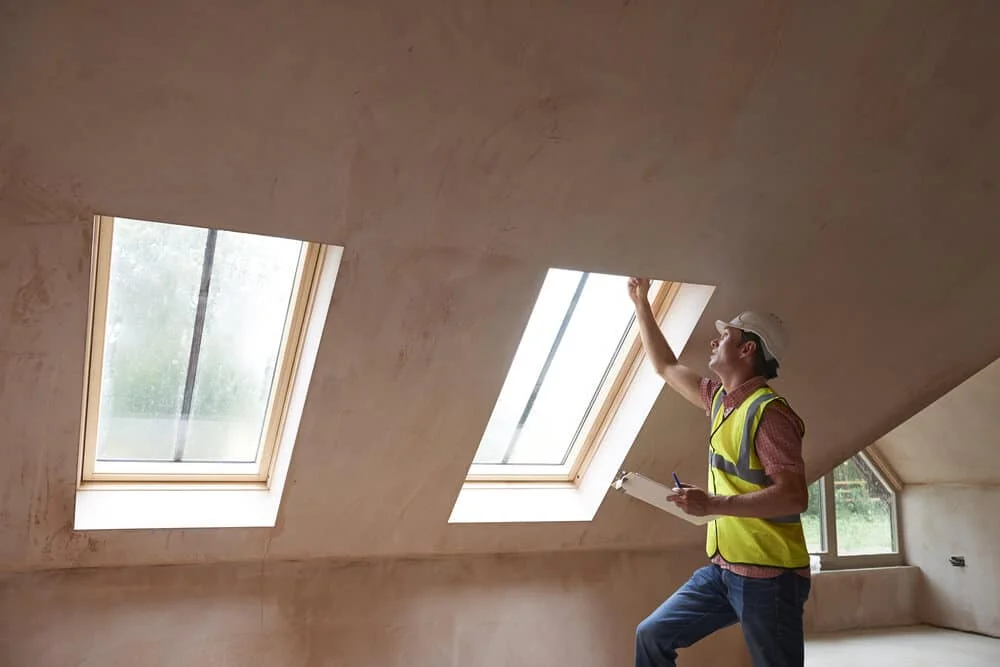
Handover day is a bad time to find out about a problem. The keys are in your hand, the builder wants the job closed, and the defect you are looking at has been sitting behind plasterboard since the frame went up eight months ago. Fixing it now means opening the wall back up, and the conversation about who pays for that is one nobody enjoys.
That scenario is common enough to be predictable, and it is almost entirely avoidable. The difference comes down to when somebody independent actually looked.
Key takeaways
A construction stage inspection assesses your build at each major milestone, while the work is still visible, rather than once at the end. Defects caught early are usually cheap and straightforward to rectify; the same defect found after it has been covered is neither. Independent inspections are separate from the mandatory checks your building surveyor carries out, which confirm minimum legal compliance rather than workmanship quality. Landmark Inspections covers seven key milestones across Melbourne, Geelong, Ballarat, Brisbane, the Gold Coast, the Sunshine Coast and Sydney, with reports delivered within 24 hours. The best time to engage an inspector is before the slab is poured.
Before the concrete goes down
Everything above ground rests on what happens at this stage. Footing depth and placement, steel reinforcement, formwork and the damp-proof membrane are all straightforward to assess while they are sitting open to the sky, and effectively impossible to assess afterwards.
Once the pour is done, the slab is the one part of your house nobody is going to inspect again. A construction stage inspection here is cheap insurance on the part of the build with the least tolerance for error.
While the frame is still open
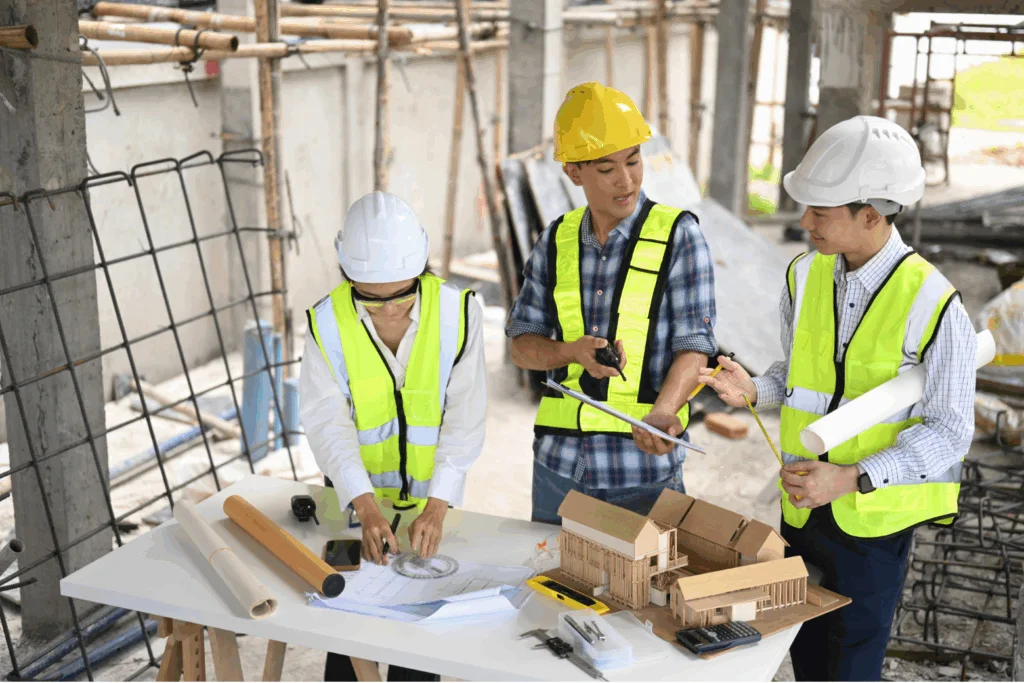
Frame stage is where quality issues tend to surface, because this is where the builder's trades have had the most opportunity to improvise. Tie-downs, bracing, load points, roof framing and window openings are all visible and all correctable.
The rectification cost at this point is usually a carpenter and an afternoon. Identical issues discovered after linings go on involve removing the linings first, which is where small problems turn into disputes.
Before the linings go on
Lock-up and pre-plaster is the last genuine look inside the walls. Rough-in plumbing and electrical, sarking, flashings and weatherproofing details all get assessed here, and in Victoria a separate plumbing inspection usually sits alongside this milestone.
Miss it and the next person to see inside that wall cavity will probably be a tradesperson investigating a leak in two years.
Waterproofing and the final look
Waterproofing to wet areas is among the most frequently reported defect categories in Australian residential construction, and it is also among the easiest to verify before tiling begins. Fixing stage covers cabinetry, benchtops, doors, windows and downpipes.
By practical completion, a thorough inspection is checking finishes, plumbing fixtures, the roof space, site drainage and safety items such as balustrades and smoke alarms. By then it is a final sweep, not a safety net. The real protection happened earlier.
This is not the same as your surveyor's inspection
A common and costly assumption is that mandatory inspections already cover this. They do not, quite. Your building surveyor's mandatory inspections confirm the build meets minimum regulatory requirements at defined points. They are not a quality assessment, they are not especially detailed, and importantly the surveyor is generally engaged in connection with the build rather than acting for you specifically.
An independent staged inspection looks at workmanship and compliance with the approved plans, the National Construction Code and relevant Australian Standards, and the inspector is engaged by you. That distinction matters most in the moments when something needs to be argued.
About Landmark Inspections
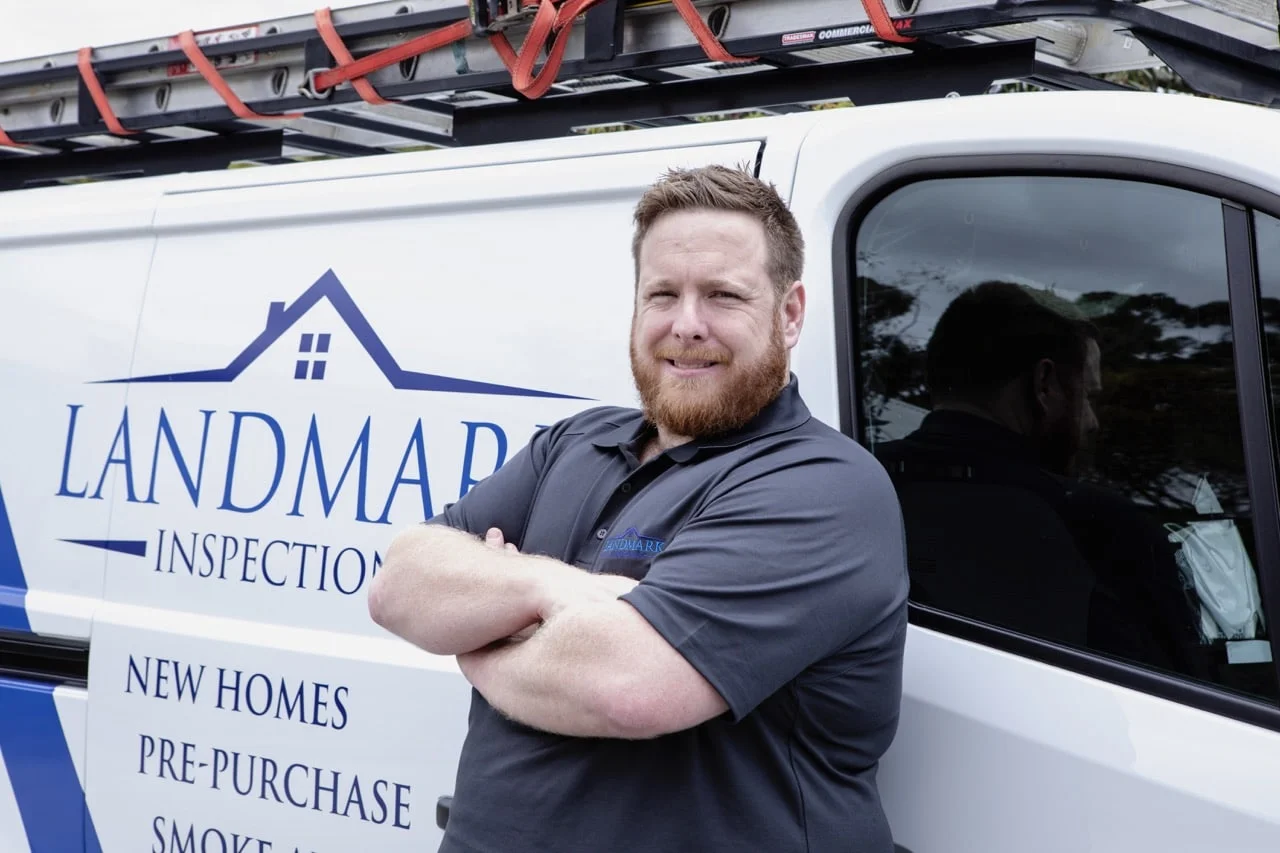
Landmark Inspections is an Australian building and property inspection company working with people building new homes, investors building to hold, and property managers and landlords meeting rental safety obligations. The business operates across Melbourne, Geelong, Ballarat, Brisbane, the Gold Coast, the Sunshine Coast and Sydney.
Its construction stage inspection service covers seven key build milestones, from footings and slab through frame, lock-up and fixing to pre-handover, so defects are identified while the builder is still on site and while rectification is still simple. Each inspection produces a cloud-based report with high-resolution imagery, delivered within 24 hours of the inspection being carried out, written to be understood by someone who does not work in construction. Maintenance items and recommended repairs are set out clearly rather than buried in technical language.
Two things tend to matter to clients beyond the report itself. The first is that Landmark liaises directly with the builder on the client's behalf, which removes much of the friction from raising defects and means you are not personally negotiating technical points with your own builder. The second is that the service includes 12 months of post-inspection advice and guidance, covering the period when questions most often arise.
Alongside construction stage inspections, the business offers investment property inspections for investors building or holding property, and rental property safety inspections in Victoria, covering the gas, electrical and smoke alarm checks required under Victorian rental standards. The full range of inspection services is set out on the website.
When to make the call
The single most useful thing you can do is engage an inspector early, ideally around contract stage and certainly before the slab is poured. Leave it later and you have already missed the milestones where inspection delivers the most value, and you are paying for a smaller benefit.
Building a home is likely the largest financial commitment you will make. An independent set of eyes at each stage is a modest cost against that, and it buys you something worth having: the ability to raise a problem while it is still easy for somebody else to fix.