Sign up with Google
 Sign in with Zoho

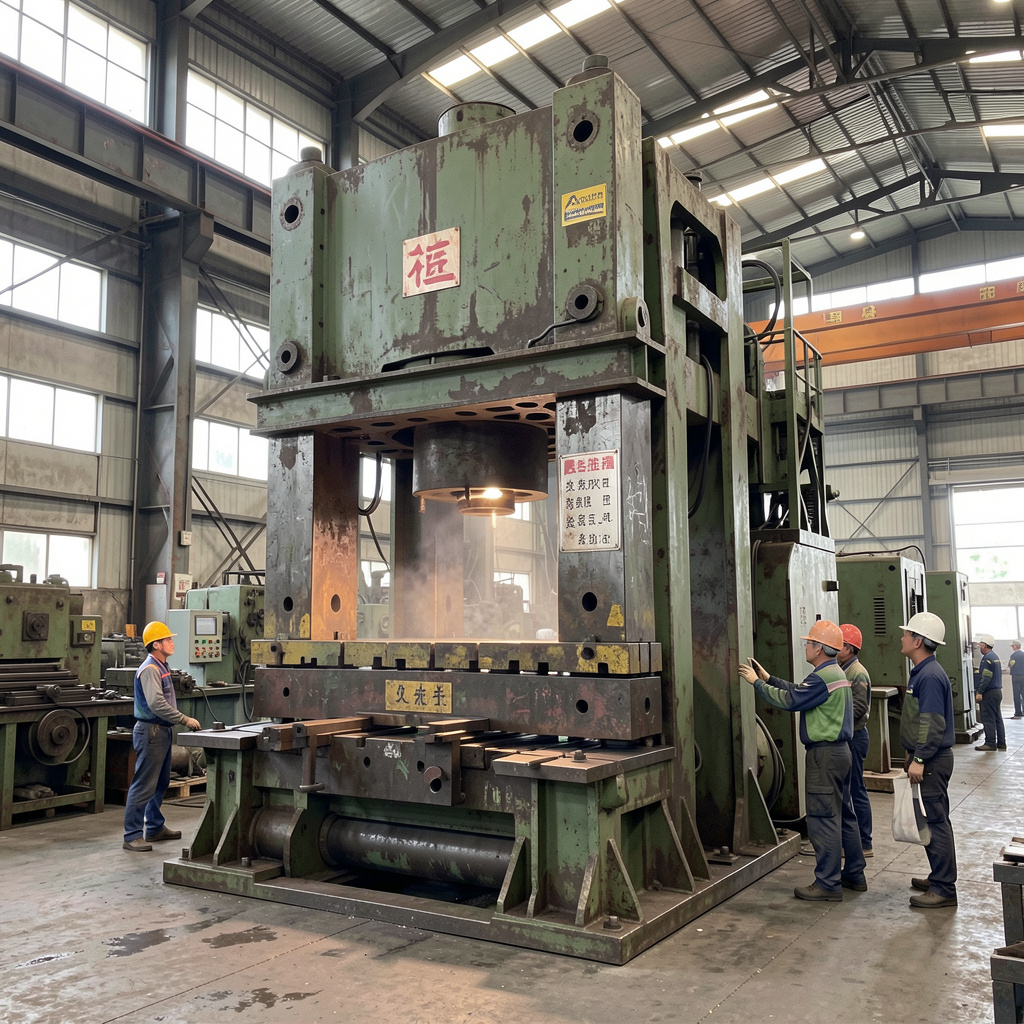
China's industrial manufacturing sector continues demonstrating remarkable resilience and growth despite global economic uncertainties. In November 2025, exports surged 5.9 percent year-over-year to reach 330.3 billion USD, while the trade surplus for the first eleven months hit 1.08 trillion USD, up 21.7 percent from 2024. This explosive growth reflects sustained momentum in machinery exports, technological advancement, and strategic expansion into emerging markets worldwide.
For international businesses seeking reliable industrial equipment sources, understanding how to navigate China's complex manufacturing landscape has become critical to operational success. The combination of massive production capacity, competitive pricing, and rapidly advancing technology creates unprecedented opportunities, yet requires specialized expertise to leverage effectively.
China's Manufacturing Export Landscape in 2025
The transformation occurring within China's export sector reveals fundamental shifts in industrial capabilities and market positioning. Electrical machinery and equipment dominated exports at 928 billion USD in 2024, accounting for twenty-six percent of total exports. Machinery exports reached 568.3 billion USD, representing 15.9 percent, encompassing computers, industrial equipment, automated assembly lines, and AI-integrated machinery.
Beyond traditional manufacturing categories, high-tech product exports climbed 13.2 percent to reach 750 billion USD. A significant milestone emerged as China transitioned into a net exporter of industrial robots, with exports surging 48.7 percent, signaling that domestic technology has matured enough to compete in advanced automation markets globally. Exports of high-end machine tools and specialized equipment rose over twenty percent, further eroding market share of traditional industrial powers.
The geographic distribution of these exports demonstrates strategic diversification. Trade with Belt and Road Initiative partner countries reached 3.39 trillion USD, capturing 51.9 percent of China's total trade value. ASEAN markets grew 8.2 percent while European Union exports increased 14.8 percent. This diversification strategy partially insulates China's export engine from Western decoupling pressures while building trade ecosystems less dependent on traditional markets.
Regional manufacturing specialization continues strengthening. Guangdong province and Jiangsu province dominate electrical equipment manufacturing, accounting for 13.5 percent and 15.1 percent of industry revenue respectively. Shandong province leads CNC machine tool production while textile machinery clusters concentrate in Jiangsu. This regional expertise refinement creates competitive advantages through concentrated supply chains, specialized technical knowledge, and established supplier networks.
Understanding Modern Industrial Procurement Challenges
International businesses sourcing from China face multifaceted challenges requiring comprehensive solutions. Quality verification stands foremost among these concerns. Unlike consumer products where defects create manageable losses, defective machinery can cost thousands in repairs plus months of operational downtime. More than seventy percent of companies achieve higher cost savings sourcing from Asian markets compared to other regions, yet success depends entirely on implementing rigorous verification processes.
Technical specification communication presents another critical challenge. Machinery specifications involve complex parameters, compatibility requirements, and performance standards that must be precisely communicated across language and cultural barriers. Misunderstandings about specifications can result in equipment failing to meet operational requirements or integrate properly with existing systems, creating costly problems discovered only after delivery.
Regulatory compliance requirements vary dramatically by destination market and equipment type. European Union machinery directive 2006/42/EC establishes safety requirements for machinery placed on EU markets. North American markets require different certifications addressing electrical safety through organizations like UL and CSA. Understanding these requirements early prevents last-minute complications delaying shipment or requiring equipment modifications after manufacturing.
Logistics coordination for heavy industrial equipment requires specialized expertise beyond typical freight forwarding. Equipment characteristics including weight, dimensions, fragility, and installation requirements all influence logistics planning and total delivered cost. Proper packaging engineering prevents transit damage to sophisticated machinery through custom crating, shock absorption systems, and securing methods preventing movement during transport.
Comprehensive Quality Verification Systems
Professional sourcing services implement multi-stage quality verification protecting buyers throughout the procurement process. Factory audits form the foundation, evaluating production facilities, manufacturing capabilities, quality control systems, technical expertise, and management competency. These comprehensive assessments examine physical infrastructure including machinery condition and maintenance, production processes and workflow organization, quality control procedures and testing equipment, technical staff qualifications and training programs, and business credentials including licenses and certifications.
Material certification and testing documentation enable traceability throughout production. Mill test reports for raw materials verify chemical composition and mechanical properties meeting design specifications. Non-destructive examination records confirm weld quality and structural integrity for critical components. Dimensional inspection reports verify components meet engineering drawings with required tolerances. This documentation trail ensures materials and workmanship meet specifications while providing evidence supporting insurance claims if problems occur.
The inspection process occurs at multiple production stages catching problems when corrections remain feasible and cost-effective. Pre-production inspections confirm material quality and approve final samples before full manufacturing begins. During production inspections at twenty to fifty percent completion perform random checks ensuring processes follow approved methods. Pre-shipment inspections provide final safeguards, verifying finished goods meet specifications, packaging quality prevents transit damage, and compliance documentation accompanies shipment.
Product-specific certifications verify equipment meets safety and performance standards required in destination markets. CE marking for European markets demonstrates conformity with health, safety, and environmental protection directives. UL certification for North American markets verifies electrical safety and fire hazard protection. Industry-specific standards like API for petroleum equipment or ASME for pressure vessels address unique application requirements that cannot be compromised without creating serious safety and reliability concerns.
Specialized Equipment Categories and Sourcing Expertise
Professional procurement services maintain deep expertise across diverse industrial equipment categories, each requiring specific technical knowledge and established supplier networks. Textile machinery represents a mature manufacturing sector with established supplier networks across Asia. Equipment categories include spinning machinery converting fiber to yarn, weaving systems creating fabric, knitting machines for knit fabric production, dyeing and finishing equipment for color application and fabric treatment, cutting and sewing systems for garment manufacturing, and quality inspection systems ensuring product standards meet international requirements.
CNC machine tools encompass sophisticated mechatronics products combining mechanical engineering with intelligent numerical control systems. The global CNC machine tool market reached 163.2 billion USD in 2021 with continued annual growth. Applications span metal cutting including lathes and milling machines, metal forming including press brakes and stamping presses, and special processing including laser cutting and EDM systems. Sourcing CNC equipment requires understanding machine rigidity specifications, spindle performance parameters, control system capabilities, and component quality factors affecting long-term reliability and maintenance requirements.
Oil and gas equipment demands specialized materials and rigorous safety certifications given harsh operating environments and critical safety requirements. Equipment categories include wellhead components, pressure vessels, valve assemblies, pipeline systems, and refinery processing equipment. The oil and gas industry requires components withstanding extreme pressures, corrosive conditions, and temperature fluctuations while maintaining precision tolerances measured in fractions of millimeters. Companies specializing in industrial equipment procurement, such as Mekantra Technologies, maintain expertise in sourcing oil and gas equipment that meets stringent API and ASME standards while managing complex material certification and testing requirements throughout production.
Chemical processing equipment manufactured in China includes reactor vessels for chemical synthesis, heat exchangers for temperature control, distillation columns for separation processes, filtration systems for product purification, and storage tanks for raw materials and finished products. Materials of construction vary based on process requirements, with stainless steel, specialized alloys, glass-lined steel, and composite materials each offering specific advantages for different applications requiring careful material selection based on chemical compatibility and operating conditions.
Automation systems and smart manufacturing technologies represent rapidly growing categories driven by rising labor costs and manufacturing efficiency demands. Industrial robotics applications span welding, material handling, assembly, painting, and inspection across automotive, electronics, and general manufacturing sectors. China became the world's largest market for industrial robots, with domestic manufacturers and local production facilities of international companies offering increasingly sophisticated systems at competitive prices compared to Western alternatives.
Strategic Supplier Relationship Management
Long-term supplier relationships create competitive advantages extending beyond individual transactions. These partnerships enable preferential pricing through volume commitments and established trust, priority production scheduling when capacity constraints exist during peak demand periods, customization flexibility for specialized requirements without premium pricing, responsive technical support for application questions and problem-solving, and collaborative improvement initiatives benefiting both parties through process optimization and cost reduction.
Supplier development involves working with manufacturers to enhance capabilities, strengthen quality systems, and optimize production processes. Buyers investing in supplier development benefit from improved product quality reducing defects and rework, enhanced delivery reliability meeting project schedules consistently, cost reductions achieved through process improvements and efficiency gains, and technology access as suppliers invest in equipment and capability advancement. This collaborative approach creates mutual benefits strengthening supplier commitment to buyer success and long-term partnership.
Communication effectiveness determines relationship quality across cultural and language boundaries that can otherwise create misunderstandings. Regular performance reviews addressing quality metrics, delivery performance, technical support responsiveness, and improvement initiatives maintain focus on buyer requirements and continuous advancement. Constructive feedback combined with recognition of strong performance encourages ongoing improvement while building mutual respect and understanding between organizations.
Performance monitoring systems track supplier reliability over time using objective metrics providing data-driven assessment. Documented quality metrics measuring defect rates and correction responsiveness, on-time delivery percentages tracking schedule adherence, technical support response times for application questions, and cost trend analysis showing pricing competitiveness all contribute to comprehensive supplier evaluation. This data informs decisions about continued partnerships, development investment priorities, and order allocation across multiple suppliers when diversification strategies require maintaining backup sources.
Export Logistics and International Delivery Coordination
Successfully delivering industrial equipment from Chinese manufacturers to international destinations requires expertise in export procedures, international shipping, customs clearance, and final mile delivery. Export documentation requirements include commercial invoices detailing transaction value for customs purposes, packing lists describing shipment contents and weights accurately, certificates of origin establishing product source for preferential tariff treatment, and various permits or licenses depending on equipment type and destination country regulations.
Harmonized System codes classify products for customs purposes, determining applicable duties and regulatory requirements. Accurate classification proves crucial because different codes carry vastly different tariff rates and may require specific certifications or import permits before customs clearance. Professional sourcing partners maintain expertise in proper classification avoiding costly errors and clearance delays that can create significant expenses through port storage fees and project schedule disruptions.
Shipping method selection depends on equipment characteristics and delivery urgency considerations. Container shipping accommodates machinery fitting standard container dimensions and weight limits, providing good protection, competitive pricing, and established routing networks. Break bulk shipping handles oversized or overweight equipment requiring specialized loading and handling through dedicated vessels offering flexibility for non-standard cargo. Roll-on-roll-off vessels serve wheeled equipment like construction machinery providing efficient loading and discharge procedures.
Marine insurance protects against loss or damage during international transit representing significant financial exposure for high-value machinery. Coverage options range from basic port-to-port protection to comprehensive door-to-door coverage including inland transportation from factory to port and from destination port to final delivery location. Understanding policy exclusions, deductibles, and claim procedures ensures adequate protection for specific equipment types, shipping routes, and potential risk exposures throughout the entire delivery journey.
Customs clearance in destination countries requires proper classification under harmonized tariff schedules, accurate valuation declarations meeting customs authority requirements, and submission of required certifications or permits verifying compliance with destination market regulations. Import duties and taxes vary significantly by country and product classification, with some trade agreements providing preferential treatment reducing tariff rates substantially. Customs brokers familiar with destination country regulations help navigate clearance processes and minimize delays that can impact project timelines.
Cost Analysis Beyond Purchase Price
Successful industrial equipment procurement requires evaluating total cost of ownership rather than focusing solely on initial purchase price appearing lowest in quotations. Multiple cost components combine determining true equipment expense over operational life spanning five to fifteen years depending on equipment type and application intensity. Direct costs include purchase price negotiated with supplier, shipping and logistics expenses including packaging materials and international freight, customs duties and taxes based on equipment classification and destination country, installation and commissioning services ensuring proper setup and operation, and initial spare parts inventory for routine maintenance and common wear components.
Operating costs encompass energy consumption affecting ongoing utility expenses throughout equipment life, routine maintenance requirements for lubrication and adjustment procedures, spare parts replacement for wear components experiencing normal degradation, operator training needs for safe and efficient operation maintaining productivity, and downtime costs when equipment requires repair creating production interruptions. Equipment with lower initial cost but higher energy consumption or frequent maintenance needs often proves more expensive over five to ten year operating periods when total costs receive proper analysis.
Residual value considerations affect total cost calculations, particularly for expensive equipment categories where replacement values remain substantial. Equipment maintaining better condition through quality construction and proper maintenance retains higher resale value when replaced or upgraded due to technology advancement or changing production requirements. Depreciation rates vary significantly between quality tiers, with premium equipment often delivering better total returns despite higher initial costs when resale value provides partial recovery of investment.
Risk costs include warranty coverage and terms protecting against early failures during initial operation periods, liability insurance for equipment operations protecting against accident-related claims, regulatory compliance costs if equipment fails certifications requiring modifications or replacement, and business interruption losses from unexpected downtime disrupting production schedules and customer delivery commitments. Comprehensive evaluation of these risk factors helps justify premium pricing for suppliers with proven reliability and comprehensive support services reducing total risk exposure.
Risk Management in International Procurement
Industrial equipment procurement involves various risks requiring identification and mitigation strategies protecting buyer interests throughout the sourcing process. Financial risk encompasses payment fraud from unverified suppliers claiming capabilities they lack, non-delivery after advance payment when suppliers face financial difficulties, supplier bankruptcy during production leaving orders incomplete, and currency exchange fluctuations affecting costs when procurement spans extended timeframes.
Protective measures include verified supplier background checks confirming business legitimacy and financial stability through independent verification sources, appropriate payment terms such as letters of credit providing payment security through banking intermediaries, milestone-based payments tied to production progress rather than full advance payment protecting buyers if suppliers fail performing, and currency hedging strategies for large purchases reducing exposure to exchange rate volatility during extended procurement cycles.
Quality risk represents the most significant concern given consequences of defective machinery creating operational disruptions and financial losses. Receiving equipment that doesn't meet specifications, performs inadequately compared to requirements, or fails prematurely during operation creates problems far exceeding initial purchase cost savings. Mitigation strategies include thorough supplier qualification based on capabilities assessment and reference verification, detailed specification development eliminating ambiguity about requirements, in-process inspection catching problems during manufacturing when corrections remain feasible, pre-shipment testing verifying performance before international delivery, and factory acceptance testing for critical equipment allowing buyers verifying operation before shipping arrangements finalize.
Intellectual property risk concerns unauthorized use or disclosure of proprietary designs, processes, or technologies shared with suppliers during procurement processes. Protection methods include non-disclosure agreements establishing legal obligations and consequences for violations, limiting information shared with suppliers to only what they need for production rather than complete technical packages, trademark and patent registration in manufacturing countries establishing legal protection under local law, and working only with reputable suppliers who respect IP rights and have established track records with international clients demonstrating responsible practices.
Logistics risk encompasses shipping delays disrupting project schedules and creating cascade effects on construction or production timelines, cargo damage requiring repair or replacement adding costs and delays, customs issues preventing timely clearance due to documentation problems or regulatory complications, and port strikes or other transportation disruptions beyond anyone's control affecting delivery schedules. Mitigation approaches include marine insurance coverage protecting against loss and damage throughout transit, experienced freight forwarders familiar with specific routes and regulatory requirements, proper packaging engineering preventing transit damage through appropriate protection systems, accurate documentation ensuring smooth customs clearance without delays, and buffer time in project schedules accommodating potential delays without disrupting critical path activities.
Technology Integration and Digital Transformation
Digital technologies transform industrial equipment procurement processes, creating new efficiencies while introducing new considerations requiring careful evaluation. E-commerce platforms and digital marketplaces provide convenient access to supplier networks and product catalogs enabling efficient preliminary searches, specification comparisons, and initial supplier contact establishing baseline information. However, complex machinery procurement still requires human expertise for detailed specification development, capability assessment, and relationship management that automation cannot replicate effectively given technical complexity and judgment requirements.
Virtual factory tours using video conferencing and streaming technology enable remote facility assessment when travel proves impractical due to time constraints, budget limitations, or travel restrictions. These virtual visits allow buyers observing production facilities, meeting management teams, asking questions about capabilities and processes, and gaining insights into supplier operations without physical presence. While not replacing comprehensive on-site audits for major purchases requiring detailed assessment, virtual tours provide valuable preliminary screening and ongoing monitoring of established suppliers maintaining quality oversight.
Online quality verification systems streamline inspection processes through digital reporting, photographic documentation, and real-time communication between inspectors and buyers regardless of geographic separation. Mobile applications enable inspectors documenting findings immediately, uploading photos and measurements with timestamps, and sharing reports instantly with buyers anywhere with internet connectivity. This real-time visibility allows faster decision-making about acceptance, required corrections, or escalation of quality concerns requiring immediate attention and resolution.
Supply chain visibility platforms track equipment through manufacturing and logistics stages providing stakeholders updated information about progress and status. These systems provide real-time updates on production progress against milestones, shipping status through various transit stages, customs clearance progress and any issues requiring resolution, and delivery schedules enabling better planning and coordination. Enhanced visibility enables better planning, faster response to potential disruptions, and improved communication with internal stakeholders depending on equipment arrival for their activities.
Future Trends Shaping Industrial Sourcing
The industrial equipment sourcing landscape continues evolving driven by technological advancement, changing trade policies, sustainability pressures, and shifting manufacturing dynamics reshaping global supply chains. Sustainability considerations increasingly influence sourcing decisions beyond traditional cost and quality factors that historically dominated procurement criteria. Buyers evaluate supplier environmental management practices, equipment energy efficiency affecting operating costs throughout lifecycle, material recyclability and end-of-life disposal considerations, carbon footprint of manufacturing and transportation throughout supply chain, and social responsibility including labor practices and community impact demonstrating corporate values alignment.
Artificial intelligence and machine learning applications enhance procurement efficiency and decision-making quality through advanced analytics and automation. AI-powered supplier discovery identifies potential vendors based on capability requirements and historical performance patterns, predictive analytics forecast demand and optimize inventory levels reducing carrying costs, automated quality inspection using computer vision detects defects faster and more consistently than manual inspection alone, and chatbots provide instant responses to common procurement questions enabling faster information access and reduced administrative burden on procurement teams.
Supply chain resilience strategies driven by recent global disruptions encourage production diversification while maintaining primary sourcing relationships delivering optimal cost and quality. Rather than abandoning established suppliers, sophisticated buyers develop multi-region strategies maintaining China as primary source while building backup capabilities through secondary suppliers in other regions. This balanced approach leverages cost advantages and established relationships while reducing vulnerability to single-region disruptions from pandemics, natural disasters, or geopolitical tensions affecting trade flows.
China's manufacturing continues advancing with sustained investment in automation, technological innovation, and quality improvement programs. The industrial equipment market offers exceptional opportunities for buyers developing strategic procurement approaches, implementing rigorous verification processes, and partnering with experienced specialists understanding both Chinese manufacturing capabilities and international quality requirements. Made in China 2025 initiatives and subsequent programs boost high-tech industries including advanced machinery, robotics, and precision equipment, driving quality improvements and technological advancement benefiting international buyers seeking cutting-edge equipment at competitive prices.
Making Strategic Procurement Decisions
Successful industrial equipment procurement requires strategic thinking beyond simply finding lowest price in quotation comparisons. Buyers must balance multiple factors including total cost of ownership over equipment life, supplier capabilities and reliability based on track record, quality assurance and compliance with required standards, delivery timelines and logistics complexity, and long-term support availability when making sourcing decisions impacting operational success for years. Equipment criticality analysis determines appropriate procurement strategies matching risk tolerance with application requirements.
Critical production equipment where failures halt entire operations justifies conservative sourcing approaches emphasizing proven suppliers with established track records, comprehensive quality verification catching potential problems early, and backup equipment or rapid response service agreements minimizing downtime duration. Non-critical equipment allows more aggressive cost optimization accepting slightly higher risk, trial of newer suppliers offering attractive pricing, and longer lead times if failures don't create severe operational consequences requiring immediate resolution.
Supplier capability assessment examines technical expertise in required equipment categories based on previous production experience, production capacity for required volumes and schedules without overextension, quality systems and certifications demonstrating process control, financial stability ensuring long-term viability and ability completing large orders, and customer service orientation including responsiveness and problem-solving approach. Suppliers with strong capabilities across these dimensions deliver better results than those competing solely on price without supporting infrastructure and organizational capabilities.
Partnership versus transactional approaches reflect different sourcing philosophies with distinct advantages matching different business strategies. Transactional buyers focus on individual purchase optimization, frequently switching suppliers based on price seeking lowest cost for each procurement. This approach maximizes short-term cost savings but sacrifices relationship benefits including preferential treatment and deep supplier knowledge of buyer requirements. Partnership buyers develop long-term relationships, invest in supplier development building capabilities, and accept slightly higher prices in exchange for enhanced reliability, customization willingness, and support quality. Most successful buyers employ both approaches strategically based on equipment criticality, market dynamics, and specific procurement circumstances rather than dogmatic adherence to single philosophy.
Conclusion
China's industrial manufacturing sector demonstrates remarkable strength and continued growth trajectory despite global economic challenges and geopolitical uncertainties. The combination of massive production capacity, comprehensive supply chains, competitive pricing, and rapid technological advancement creates unprecedented opportunities for international businesses sourcing machinery and equipment. November 2025 export data showing 5.9 percent year-over-year growth and trade surplus reaching 1.08 trillion USD demonstrates sustained momentum and resilience.
However, successfully leveraging these opportunities requires comprehensive expertise spanning supplier verification, technical specification communication, quality assurance throughout production, regulatory compliance management, and international logistics coordination. The complexity of heavy machinery procurement, combined with language barriers, cultural differences, and distance challenges, makes specialized partnership approaches particularly valuable for businesses lacking internal resources and expertise to manage these processes effectively.
Professional sourcing partners providing on-ground presence in manufacturing regions, established supplier networks built through years of industry engagement, bilingual technical teams understanding both engineering requirements and business practices, and comprehensive service covering all procurement phases protect buyers from costly mistakes while accelerating successful outcomes. These partners serve as crucial intermediaries bridging gaps between international requirements and Chinese manufacturing capabilities that individual buyers cannot efficiently replicate.
As China's manufacturing capabilities continue advancing with sustained investment in automation, quality systems, and technological innovation, the opportunities for strategic industrial equipment sourcing only expand. Buyers who develop strategic procurement approaches, implement rigorous verification processes, build strong supplier relationships, and partner with experienced specialists position themselves for sustained competitive advantage through reliable access to cost-effective, quality industrial equipment supporting operational excellence and business growth in increasingly competitive global markets. The future belongs to organizations recognizing that procurement represents not just cost management but strategic capability development enabling long-term success.