Sign up with Google
 Sign in with Zoho

Egypt's energy drink sector is undergoing significant expansion, fueled by demographic shifts and changing consumption patterns. According to market analysis data, the sector reached USD 600 million in 2024 and is projected to achieve USD 2.04 billion by 2030, representing a compound annual growth rate of 22.63% during the forecast period. This trajectory reflects deeper structural changes in how Egyptian consumers approach beverage choices and lifestyle demands.
Youth and Professional Demographics Reshape Consumption Patterns
The primary growth engine for Egypt's energy drink sector centers on two distinct consumer groups: young people and working professionals. Students increasingly turn to energy drinks as a solution for maintaining focus during extended study sessions. Similarly, professionals managing demanding work schedules view these beverages as convenient tools for sustaining alertness and physical performance throughout the day. This consumer behavior aligns with broader global trends but carries particular relevance in Egypt's employment landscape, where the younger population represents a significant demographic advantage.
The sector demonstrated this trend in 2024 when off-trade channels experienced 48% volume growth. Energy drinks emerged as the highest-growing soft drinks category in Egypt during this period, outpacing other beverage segments. This performance underscores the category's appeal to target audiences despite rising price levels throughout 2024. Consumer willingness to pay premium prices despite inflationary pressures suggests strong brand loyalty and perceived value.
Price Segmentation Broadens Consumer Reach
One distinguishing feature of Egypt's energy drink landscape is its diverse price architecture. Budget-conscious consumers have access to economy brands such as Sting at EGP 11.95 and Fury, while premium positioning occupied by established brands like Red Bull at approximately EGP 40 serves affluent segments. This price stratification enables penetration across income levels, a critical consideration in emerging economies where consumer purchasing power varies significantly. Brands continue expanding price point options, further democratizing access and capturing price-sensitive demographics that previously remained underserved.
Non-Alcoholic Dominance and Distribution Channels
Non-alcoholic energy drinks command 95% of the sector by share, establishing the category's foundation. This segment is anticipated to achieve a volume compound annual growth rate of 27.35%, substantially outpacing the overall sector, suggesting accelerating adoption rates and deepening penetration beyond early adopters. Off-trade channels, including supermarkets and convenience stores, capture 75% of transactions, indicating that consumers prefer purchasing energy drinks through retail rather than on-premise establishments. This distribution pattern shapes inventory decisions and brand visibility strategies across the retail landscape.
Competitive Consolidation with Emerging Opportunities
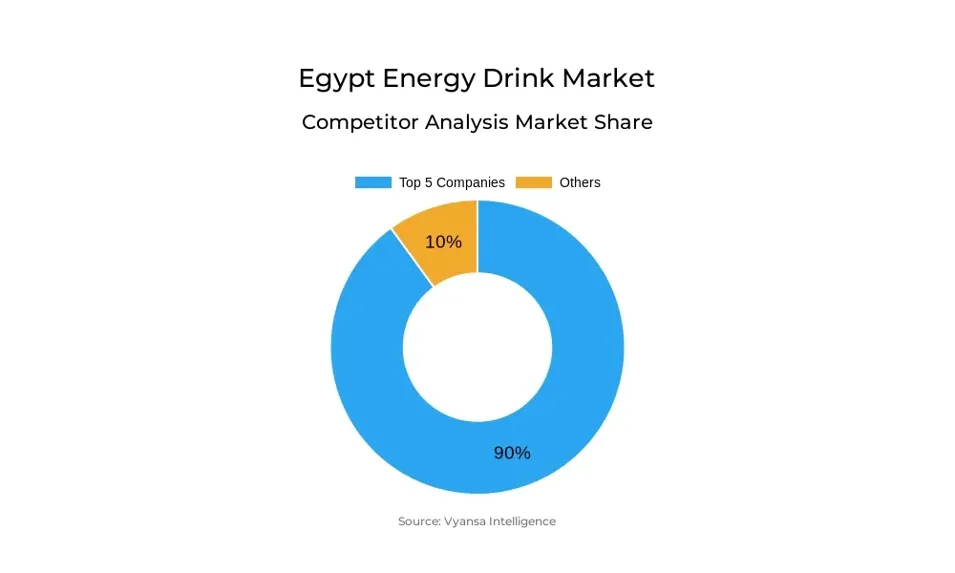
The sector comprises over 10 active producers, yet the top five companies control 90% of share. Leading competitors include Abuljadayel Beverages Industries LLC, AEH Trading Co, Mahmood Saeed Beverage Industry Co, Red Bull GmbH, and Rockstar Inc. This concentration reflects typical beverage industry patterns where established brands with distribution networks and financial resources maintain significant advantages. However, the remaining 10% controlled by smaller competitors suggests opportunities for niche players targeting specific consumer segments or price points.
Flavor Innovation as Competitive Differentiation
Flavor innovation has emerged as the primary competitive lever within Egypt's energy drink sector. Red Bull leads this trend through regular introduction of seasonal releases and unconventional flavor combinations that maintain consumer engagement and generate repeat purchases. As flavor diversity increasingly influences purchasing decisions, other sector participants are following suit, experimenting with tropical fruit blends, spice-infused profiles, and reinterpretations of traditional flavors. This competitive dynamic benefits consumers through expanded choice while creating differentiation barriers for brands capable of sustained innovation investment.
Health Consciousness Reshapes Product Development
A notable shift in consumer preferences centers on healthier product formulations, particularly zero-sugar and low-sugar options. This trend reflects broader global health consciousness affecting beverage consumption patterns. Emerging brands including Monster and Power Horse have specifically addressed this demand, intensifying competitive pressure while validating the opportunity segment. Manufacturers increasingly incorporate functional ingredients such as vitamins, electrolytes, and natural components to appeal to health-oriented consumers. This evolution represents a fundamental recalibration of the category beyond its original positioning as a high-sugar stimulant beverage.
The zero-sugar opportunity segment suggests substantial growth potential through the forecast period. Consumers willing to consume energy drinks for performance benefits increasingly prefer options without associated sugar-related health concerns. This preference alignment with global wellness trends indicates sustained opportunity regardless of broader economic conditions. Brands investing in formulation research and clean-label development are positioning themselves to capture growing health-conscious segments.
Sector Trajectory and Strategic Implications
Egypt's energy drink sector reflects classic emerging-economy beverage dynamics: strong youth population demographics, rising disposable incomes, and evolving consumption patterns favoring convenience products. The projected threefold expansion through 2030 assumes sustained economic growth and continued lifestyle shifts toward fast-paced, demanding work and study environments. Sector maturation will likely accompany premium-tier consolidation alongside emerging regional brand opportunities within budget segments.
Distribution infrastructure development, particularly in secondary cities and rural areas, represents a critical growth lever. As modern retail expands beyond Cairo and Alexandria, untapped consumer populations gain product access. Import dynamics and regulatory frameworks will also shape competitive conditions, potentially favoring locally-rooted manufacturers with established government relationships. The sector's structure suggests consolidation may accelerate as smaller players seek acquisition or exit strategies.