Sign up with Google
 Sign in with Zoho

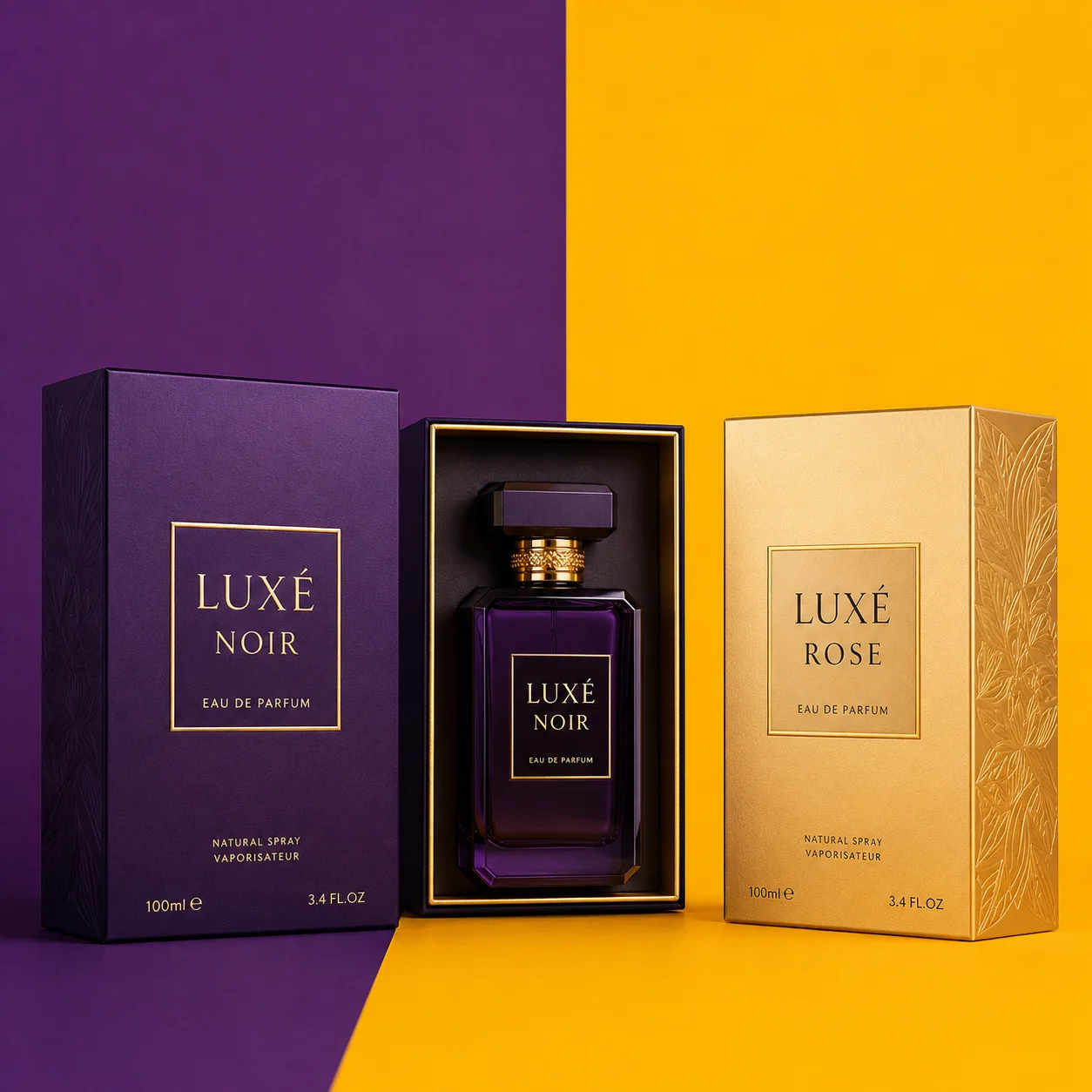
A fragrance is sold before it's ever sprayed. Between the moment a customer spots a bottle on a shelf and the moment they lift the lid, the box has already done most of the persuading — through weight, finish, print, and the small ritual of opening it. Perfume boxes carry more selling responsibility than almost any other packaging category, because scent itself can't be previewed through the box; everything the box communicates has to stand in for the product until it's actually tried.
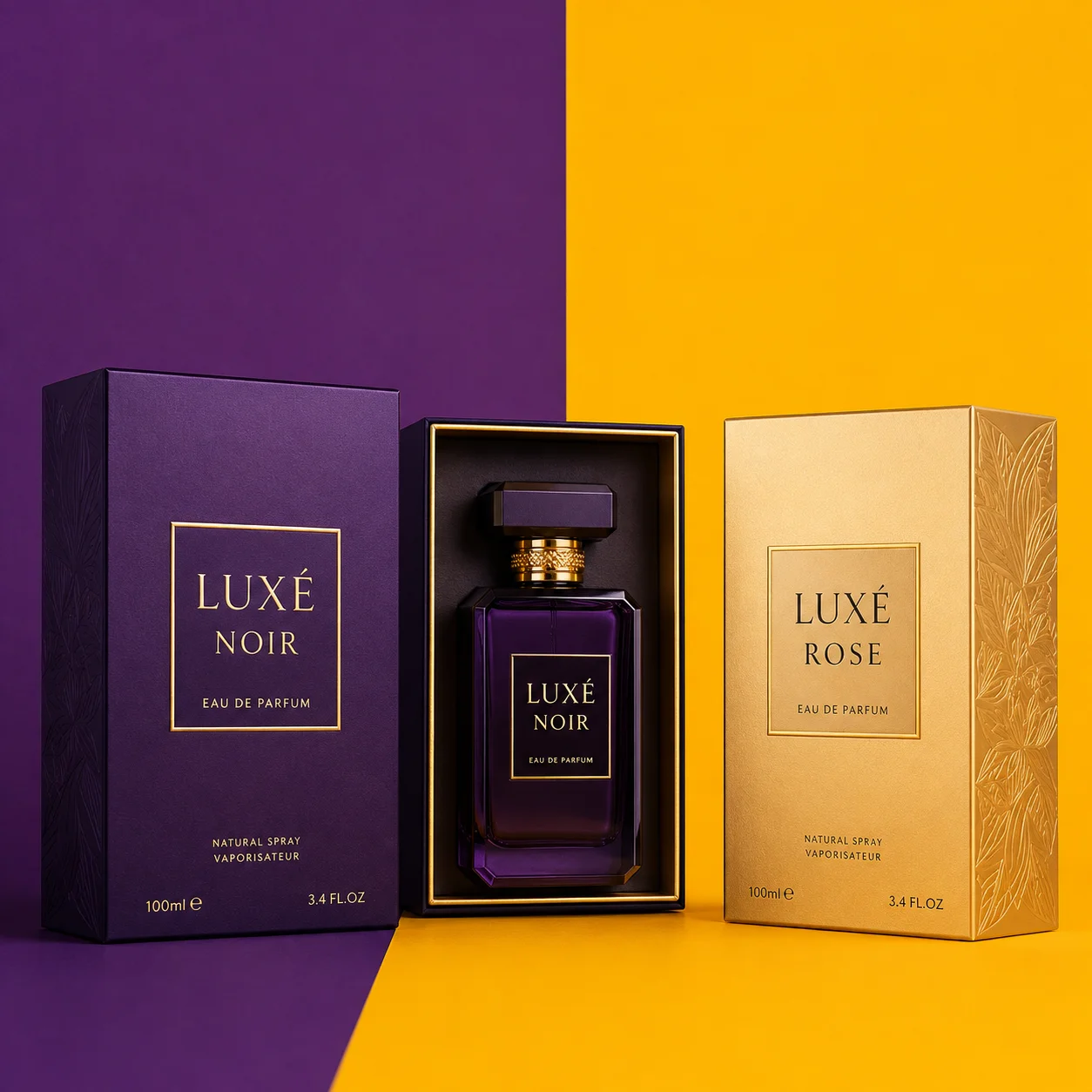
This guide covers what makes perfume packaging work, why perfume rigid boxes dominate the mid-to-premium fragrance tier specifically, and what to think through before ordering custom packaging for a fragrance line.
What Makes Perfume Packaging Different?
Perfume packaging has to solve for a few things that most other product categories don't face at once:
- Fragile glass protection — bottles need secure, snug-fit housing to survive shipping and handling without rattling or cracking.
- Light sensitivity — many fragrances degrade when exposed to prolonged light, so box design sometimes plays a functional role in shelf-life protection, not just presentation.
- Perceived value alignment — fragrance pricing spans from mass-market to ultra-luxury, and the box has to visually match that price point convincingly, since customers can't sample scent before purchase.
- Gift-readiness — a large share of fragrance sales are gifted, so the box often needs to work as presentation packaging on its own, without extra wrapping.
Because of this, perfume boxes are rarely just a container — they're functioning as a silent salesperson for a product the customer can't evaluate until after they've already bought it.
Common Perfume Box Styles
Folding Carton Perfume Boxes
Lightweight paperboard boxes, printed flat and folded into shape. This is the most cost-effective format and suits mass-market and mid-range fragrance lines where volume matters more than tactile luxury.
Rigid Perfume Boxes
Thicker, pre-assembled boxes with real structural weight — covered in detail in the next section, since this is where most premium and luxury fragrance packaging lives.
Sleeve and Tray Boxes
An outer printed sleeve slides over an inner tray holding the bottle. This style is popular for gift sets and limited editions because the sleeve can carry bold seasonal or collaboration artwork without redesigning the whole box structure.
Window Boxes
A die-cut or acetate window lets the bottle itself be partially visible, useful for fragrances with a distinctive bottle shape or color that's part of the brand's visual identity.
Perfume Rigid Boxes: The Standard for Premium Fragrance
Perfume rigid boxes deserve a category of their own because they've become the default packaging choice the moment a fragrance brand moves beyond entry-level pricing. Where folding cartons signal accessibility, rigid boxes signal that a fragrance is meant to be experienced, not just purchased.
What makes rigid boxes the go-to for perfume specifically:
- Weight matches expectation. Perfume buyers subconsciously associate box weight with liquid value, even before opening it — a flimsy box undercuts a premium price point almost instantly.
- Structured foam or fabric inserts hold the bottle perfectly still inside a rigid box, which both protects the glass and creates a deliberate, ceremonial reveal when the lid comes off.
- Two-piece and magnetic closure styles are both common in perfume packaging: two-piece for a full lift-off reveal (typical of prestige and niche fragrance houses), magnetic book-style for a more modern, tactile open motion favored by newer indie and celebrity fragrance brands.
- Embellishment performance. Foil stamping, embossing, and spot UV all render more cleanly on the flat, stable surface of a rigid box than on folding carton stock, which matters for fragrance branding that leans heavily on logo and typography detail.
Where perfume rigid boxes are used most:
- Prestige and designer fragrance launches, where box weight and structure are expected as a baseline, not a differentiator.
- Niche and indie perfume houses, who often lean on rigid packaging specifically to compete visually against larger, established brands.
- Limited-edition and gift-season releases, where a rigid box justifies a higher price point and doubles as standalone gift packaging.
- Corporate and press gifting, where fragrance samples or full bottles are sent as VIP gifts and the unboxing itself is part of the marketing.
One practical note: because rigid boxes are pre-assembled rather than flat-packed, they take up considerably more shipping and storage volume than folding cartons. Brands ordering perfume rigid boxes in bulk should factor this into freight and warehousing costs, not just unit price.
Choosing the Right Perfume Packaging: A Quick Guide
- Match the box format to price tier. Folding cartons for mass-market and mid-range; rigid boxes once a fragrance moves into premium, niche, or gift territory.
- Design the insert around the bottle, not the box. A snug foam or fabric-wrapped insert is what actually prevents damage and creates the reveal moment — get this right before finalizing exterior design.
- Choose closure style based on brand tone. Two-piece for a classic, prestige feel; magnetic book-style for a more modern, tactile brand identity.
- Reserve windows for distinctive bottles. A window only adds value if the bottle shape or liquid color is genuinely part of the visual brand.
- Budget for freight and storage volume when moving from folding cartons to rigid perfume boxes, since the pre-assembled format takes up more space per unit shipped and stored.
Common Mistakes Brands Make With Perfume Packaging
- Mismatching box weight to price point — a lightweight folding carton around a premium-priced fragrance creates doubt at the exact moment a customer is deciding to buy.
- Skipping a fitted insert, leaving the bottle to shift and risk chipping or cracking in transit.
- Overcrowding the box with print elements, when fragrance branding typically performs better with restrained, confident typography and negative space.
- Underestimating rigid box lead times and freight costs when planning a launch timeline or seasonal restock.
Do all perfume boxes need to be rigid?
No. Rigid boxes suit premium, niche, and gift-focused fragrance lines, but folding cartons remain a practical, cost-effective choice for mass-market and mid-range perfume brands.
What's the benefit of a rigid box over a folding carton for perfume specifically?
Rigid boxes add perceived weight and value, which matters more for fragrance than most categories since customers can't sample scent before purchase — the box carries extra persuasive weight.
Can perfume boxes protect against light damage?
A fully enclosed box (rather than an open display format) does help limit light exposure during storage and shipping, though the bottle's own glass tint plays the larger role in long-term light protection.
What insert material is best for perfume boxes?
Molded foam offers the most precise, snug fit for irregular bottle shapes, while fabric-wrapped paperboard inserts are common in rigid boxes where the interior finish is also part of the presentation.
Are perfume rigid boxes more expensive to ship?
Yes, generally. Because rigid boxes are pre-assembled rather than flat-packed, they take up more volume per unit, which can increase freight and storage costs compared to folding carton perfume boxes.
Conclusion
Perfume boxes do something most packaging doesn't have to: sell a product the customer can't yet experience. Getting the format, insert, and closure right is what turns a box into part of the fragrance itself — and for premium, niche, and gift-focused brands, perfume rigid boxes have become the clearest way to signal that weight and value from the very first touch.
DODO Packaging AU designs and supplies custom perfume boxes and perfume rigid boxes for fragrance brands across Australia, with guidance on inserts, closures, and finishes so your packaging matches the value of what's inside the bottle. Get in touch with the DODO Packaging AU team to start your custom packaging quote.