Sign up with Google
 Sign in with Zoho

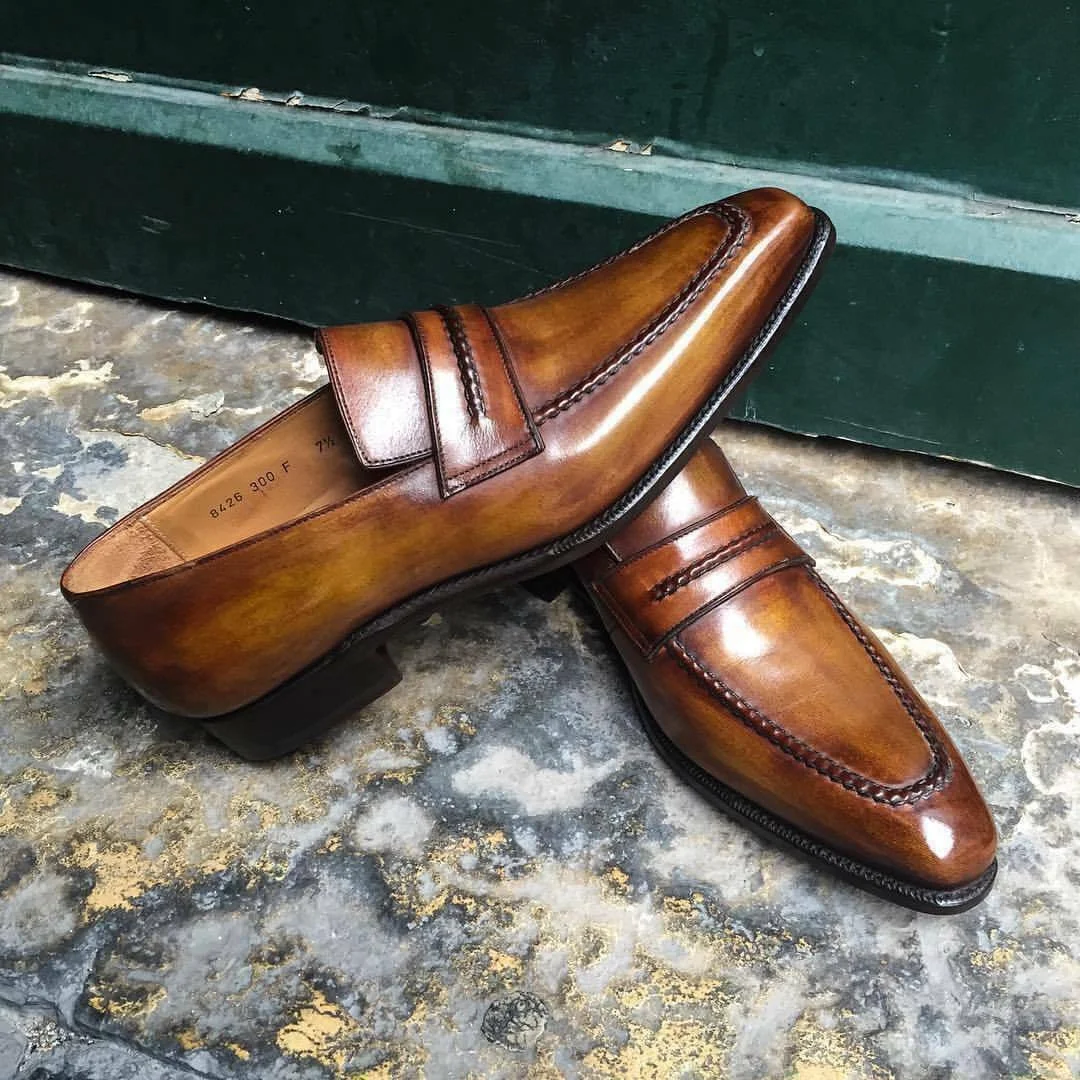
Before a handmade shoe ever reaches a foot, it passes through dozens of small decisions: which part of the hide to cut, how tightly to pull the upper over the last, how many stitches to the inch. Handmade shoes for men are the sum of those decisions, made by someone who can feel when something is slightly off. I've spent time around workshops and well-worn pairs, and the shoes that earned a permanent place in my rotation all passed the same few tests. This guide covers how to read a maker's claims, what you are really paying for, and how to look after your pair.
Reading the Label Honestly
Terms like handmade, handcrafted, and hand-finished are used loosely, so it pays to ask questions. In a genuinely handmade shoe, a craftsman cuts the leather, shapes the upper over a wooden last, and attaches the sole by hand or with minimal machine help. A shoe that is only polished or trimmed by hand at the end is a different product. A proud maker will explain each stage without hesitation.
What You Are Really Paying For
Time and Skill
A single pair can take many hours of skilled labour, from pattern cutting to final burnishing. That time is the main reason the price sits above factory work.
Materials
Makers often choose full-grain calf, shell cordovan, or vegetable-tanned hides, which cost more but age far better than coated or corrected leather.
Fit and Repair
Handmade work can be adjusted for a high instep, a wide forefoot, or feet of different sizes. Hand-welted construction also lets a cobbler replace the sole many times.
Types of Handmade Service
Bespoke: Built Around Your Feet
A last is carved to your exact measurements, usually with several fittings. It takes months and costs the most.
Made-to-Order: The Practical Middle
You choose from existing patterns, with options for leather, colour, and width. It delivers much of the benefit at a gentler price.
Small-Batch Ready-to-Wear: The Entry Point
Independent workshops produce limited runs by hand, giving a taste of craft without long waits.
Styles Worth Commissioning
A dark brown Derby is the most versatile first pair, working with denim, chinos, and tailoring. A black cap-toe Oxford covers formal events. Hand-sewn loafers suit warm weather and relaxed offices, and a sturdy welted boot handles wet winters. Choose the style you will wear most, not the one that photographs best.
Ordering With Confidence
Handmade work often means waiting and sometimes ordering remotely. Take accurate foot measurements in the afternoon, and trace both feet on paper if the maker asks. Read the return and remake policy before paying. When buying handmade shoes for men online, look for makers who offer fitting guidance, share clear photos of their process, and answer questions openly. Vague claims, stock images, and unusually low prices are warning signs. Expect lead times of several weeks to a few months.
Handmade Footwear Trends Right Now
Craft moves slowly, but these directions are visible among buyers:
- Slow fashion: Fewer pairs, chosen carefully and meant to last.
- Small-batch makers: Independent workshops gaining ground on mass labels.
- Natural patina: Burnished, uneven finishes preferred over flat factory colour.
- Eco-conscious tanning: Traceable and vegetable-tanned leather drawing attention.
- Personalisation: Custom widths, monograms, and colour choices becoming common.
- Soft-structured styles: Hand-sewn loafers and relaxed Derbies replacing stiff dress shoes.
Caring for Handmade Shoes
Rest each pair for a full day between wears so moisture can dry. Use cedar shoe trees after every wear to hold the shape and absorb sweat. Brush off dust, condition the leather every few weeks, and polish when the colour fades. Dry wet pairs naturally, away from heaters, since direct heat cracks leather. When soles thin, visit a skilled cobbler early and ask for a proper resole rather than a quick glued repair.
Final Thoughts
Handmade shoes for men are less about status and more about patience: a maker's time, a fit shaped around you, and a pair built to be repaired rather than replaced. Choose a maker you trust, start with one versatile pair, and let it age with you. The extra cost spreads across many years of comfort.
Frequently Asked Questions
Are handmade shoes worth the money?
Often, when the price reflects skilled labour, quality leather, and repairable construction rather than branding.
How long do handmade shoes last?
With regular care and resoling, a good pair can last a decade or more.
How do I know a shoe is truly handmade?
Ask which stages are done by hand, check stitching and edge finishing, and look for makers who explain their process openly.
How long does a handmade order take?
Made-to-order pairs often take several weeks, while bespoke work can take several months.