Sign up with Google
 Sign in with Zoho


A window does not always need to open to be useful. In some parts of a home, the main reason for having a window is to bring in daylight, give you a view, or make a room feel less enclosed. In those situations, a fixed design can be a simple and practical option.
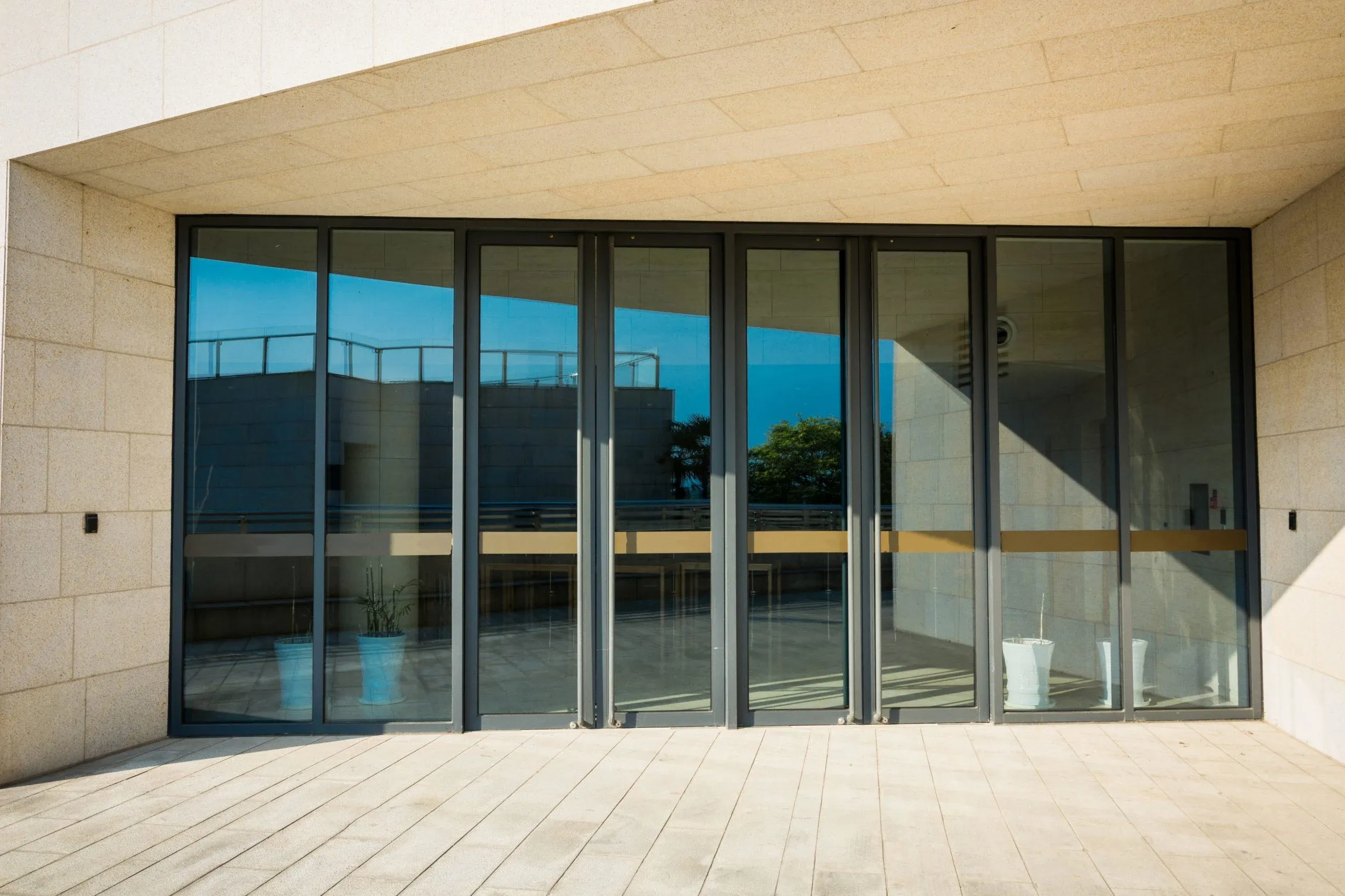
A Fixed Glass Window stays in place rather than sliding, swinging, or opening. That makes it particularly useful in areas where ventilation is not the main priority. It can also work alongside opening windows, allowing homeowners to create a larger glazed area without adding more moving sections.
We see fixed windows used in many different ways. Here are five areas where they can make sense, along with a few things worth considering before choosing one.
1. Living Rooms With a Garden or Outdoor View
If your living room looks out onto a garden, courtyard, pool area, or another attractive part of the property, a fixed window can make that view a feature of the room.
There is something quite different about looking through a large uninterrupted pane of glass compared with looking through several smaller sections. The view feels more open, and the room can receive plenty of natural light during the day.
A fixed panel can also be paired with an opening window or sliding door nearby. You get ventilation where you need it, while the fixed section takes care of the view and additional daylight.
For homes with a good outlook, this can be a straightforward way to make better use of it.
2. Staircases and Hallways That Feel Dark
Hallways and staircases are easy to overlook when planning windows. They often sit in the middle of a home and may not have much access to natural light.
A fixed window can change that.
Since these areas do not usually need constant ventilation, there may be little reason to install an opening window. A well-positioned fixed panel can bring daylight into the space without taking up additional room or introducing a complicated opening mechanism.
On a staircase, for example, a window can also give you a glimpse of the outdoors as you move between floors. It turns an otherwise functional part of the house into something that feels brighter and more connected to the outside.
3. Kitchens Where Space Is Already Tight
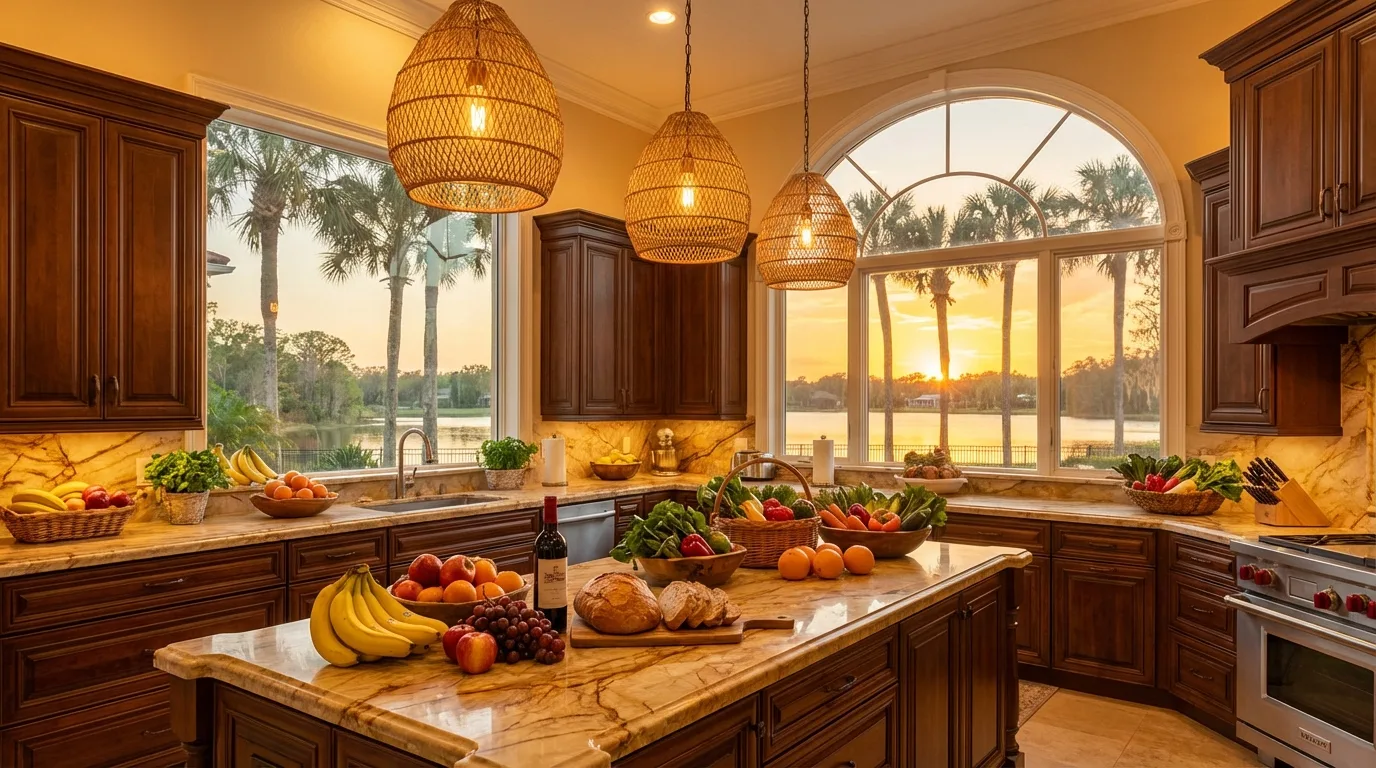
Kitchens can be tricky places for windows. Benchtops, splashbacks, cupboards, sinks, and appliances all compete for wall space.
An opening window is not always convenient in this situation. Depending on its position, it may interfere with cabinetry or simply not have enough clearance to operate comfortably.
A fixed glass window can be a useful alternative.
It can be positioned above a dining nook, along a feature wall, or in another part of the kitchen where the main goal is to bring in daylight. If the kitchen needs ventilation, an opening window can be installed elsewhere.
This approach allows each window to serve a particular purpose instead of expecting one window to do everything.
4. Bedrooms That Face a Pleasant Outlook
Bedrooms are another place where a fixed window can work well, especially when the room overlooks a private garden or another appealing view.
A larger pane of glass can make the room feel more open and bring morning or afternoon light into the space. There is also less visual interruption when there are no opening sections breaking up the glass.
Of course, privacy still matters. A window facing a neighbouring property may need blinds, curtains, privacy glass, or another suitable treatment. The orientation of the room should also be considered before deciding on the size and position of the window.
For a bedroom with a private outlook, though, fixed glazing can be a particularly effective design feature.
5. Home Offices and Study Areas
A home office can quickly start to feel enclosed if it is surrounded by solid walls. A window can make the difference, particularly when you spend several hours a day working in the room.
A fixed window positioned near a desk can bring in natural light and provide a view without requiring space for an opening section. That can be useful in smaller studies where every centimetre counts.
It also gives you more freedom when arranging furniture. A desk, bookshelf, or storage unit can be positioned close to the window without having to worry about an opening panel getting in the way.
For people working from home, a little more daylight and a view outside can make the room feel considerably more pleasant.
Fixed Windows Don't Have to Stand Alone
One of the common misconceptions about fixed windows is that choosing one means giving up ventilation. That's not necessarily the case.
A home can combine fixed and opening windows within the same installation. For example, a wide fixed section could sit beside a smaller opening section. The fixed part provides the view and daylight, while the opening section allows fresh air into the room.
This combination can be particularly useful for larger window areas. Instead of making the entire installation open, you can decide which sections actually need to move.
That can result in a cleaner design and a setup that better reflects how the room is used.
Think About Glass and Window Placement
Choosing the window style is only part of the decision. Where the window goes and what type of glazing is used can have just as much impact.
Think about the direction the window faces, how much direct sunlight it receives, what is visible from inside, and whether privacy could become an issue. A large window facing the afternoon sun, for example, may need different considerations from one facing a shaded garden.
The surrounding walls and furniture matter too. A window that looks great on a plan may not work as well once a kitchen bench or large piece of furniture is installed.
Taking these details into account before installation can save a lot of frustration later.
Are Fixed Windows Easier to Maintain?
There are fewer moving parts in a fixed window because there is no opening mechanism, handle, hinge, or sliding track to operate.
That does not make maintenance unnecessary, but it can make the system relatively straightforward to look after. Regular cleaning of the glass and frames will help keep the window looking its best, while occasional checks can identify any issues with seals or surrounding materials.
Large panes may require a little more effort to clean, particularly when they are installed in hard-to-reach areas. This is another reason to think about access and placement before choosing a very large window.
Making the Choice Based on the Room
There is no rule saying every window in a home needs to be the same. Different rooms have different requirements.
A kitchen may need ventilation. A staircase may simply need more daylight. A living room might be all about the view, while a home office may benefit from natural light without losing valuable floor space.
That is why the best window choice starts with the room itself.
Ask what you actually want the window to do. If the answer is mainly “bring in light and give us a view,” a fixed option may be worth considering. If airflow is important, an opening design or a combination of fixed and opening sections may make more sense.
Conclusion
A Fixed Glass Window can be a surprisingly useful addition to a home. It can brighten a dark staircase, open up a living room, add daylight to a kitchen, frame a bedroom view, or make a home office feel less enclosed.
The key is choosing the right location and understanding what you need the window to achieve. Fixed glazing is not intended to replace every opening window. Instead, it can work alongside other window styles to create a more practical and balanced home.
At International Windows, we believe window selection should be based on the way a home is actually lived in. By looking at the room, available space, natural light, views, privacy, and ventilation requirements, we can help homeowners find an option that makes sense for their property rather than simply choosing a standard solution.