Sign up with Google
 Sign in with Zoho

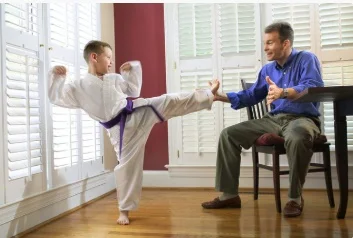
Physical fitness and mental concentration are important parts of a balanced lifestyle. Regular exercise can support cardiovascular health, coordination, strength, and mobility, while activities that require attention and practice can help develop concentration and self-discipline. Taekwondo combines physical movement with structured learning, making it an option for people interested in developing both physical skills and mental focus.
For beginners exploring Taekwondo for Fitness and Focus, understanding how training works can help set realistic expectations. Taekwondo is a Korean martial art known for its dynamic kicking techniques, hand strikes, defensive movements, forms, and structured progression. Classes commonly include warm-ups, technique practice, movement drills, and conditioning exercises. The exact format depends on the instructor, school, and students' experience levels.
What Is Taekwondo?
Taekwondo is a martial art that combines physical techniques with principles such as respect, perseverance, self-control, and discipline. Its training may include punches, kicks, blocks, stances, forms, partner exercises, and controlled sparring.
The word is commonly explained through three Korean elements: tae, referring to foot or kicking techniques; kwon, referring to fist or hand techniques; and do, meaning a way or path. Together, these ideas reflect both the physical practice and the broader learning process associated with the martial art.
Taekwondo is practiced for different reasons. Some students focus on fitness, others enjoy learning traditional techniques, and some pursue competition or personal development. Beginners do not need previous martial arts experience to start many introductory programs.
How Taekwondo Supports Physical Fitness
Cardiovascular Endurance
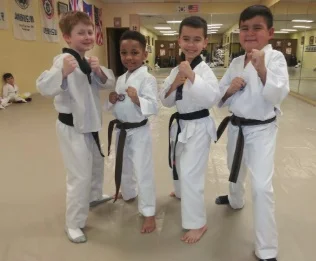
Taekwondo classes often involve repeated movements, footwork, combinations, and short periods of higher-intensity activity. These exercises can raise the heart rate and contribute to cardiovascular conditioning.
The intensity varies according to the class structure. Beginners may start with shorter drills and rest periods, while experienced students may complete longer combinations and more demanding conditioning exercises.
Strength and Muscle Endurance
Kicks, stances, controlled strikes, and bodyweight exercises require muscles throughout the body to work together. Leg and hip muscles contribute to kicking and balance, while the core helps stabilize the body during movement.
Push-ups, squats, planks, and other conditioning exercises may also be included. These exercises can help develop muscular endurance when performed with appropriate technique and progression.
Balance and Coordination
Taekwondo requires students to control their body position while moving between stances, changing direction, and performing kicks. Practicing these skills may improve balance, coordination, and awareness of body movement.
For example, a front kick requires the student to stabilize the standing leg, raise the kicking leg, control the movement, and return to a balanced position. Repeating the technique with proper guidance encourages controlled movement rather than simply relying on speed.
Flexibility and Mobility
Many classes include dynamic warm-ups, controlled leg movements, and stretching. These activities can support mobility and gradually improve the range of motion needed for martial arts techniques.
Flexibility develops at different rates for different people. Beginners should avoid forcing their legs into high kicks or painful positions. Controlled movement and gradual progression are safer than attempting advanced flexibility exercises too early.
How Taekwondo Can Develop Focus
Physical training is only one part of the learning process. Taekwondo also asks students to pay attention, remember instructions, and respond to changing situations.
Listening and Following Instructions
Students must understand demonstrations, follow directions, and apply corrections. This process encourages them to pay attention to details such as foot placement, body posture, timing, and movement sequence.
Listening carefully is particularly important when learning unfamiliar techniques. A small adjustment to posture or balance can affect both performance and safety.
Remembering Movement Sequences
Forms, combinations, and structured drills require students to remember a series of movements in the correct order. Practicing these sequences can provide a way to exercise attention and recall during physical activity.
Students may learn a sequence one part at a time before connecting the movements into a longer routine. This approach makes complex material easier to manage.
Practicing Patience
New techniques rarely become consistent after a single attempt. Students may need to repeat movements many times, receive corrections, and practice at a slower speed before increasing intensity.
This process can encourage patience and persistence. Instead of expecting immediate results, students learn to recognize small improvements and continue working toward a larger goal.
Managing Attention Under Pressure
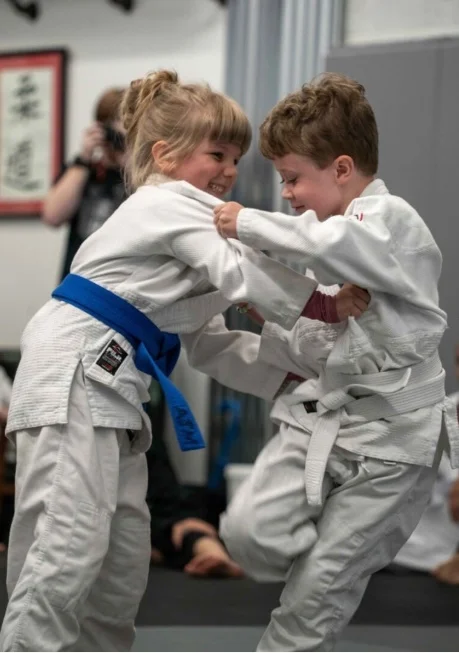
Partner drills and controlled sparring require students to observe movement, maintain distance, and respond appropriately. These activities can challenge attention because students must think about their own actions while remaining aware of another person's position.
Such training should be introduced progressively and supervised carefully. Beginners should first develop basic control before attempting fast or complex partner exercises.
The Connection Between Fitness and Mental Concentration
Physical activity and mental engagement often occur together in Taekwondo. Students may need to maintain balance while remembering a combination, regulate breathing during conditioning, or listen to feedback while practicing a difficult technique.
These tasks encourage them to divide attention between movement, instructions, and their surroundings. With regular practice, students can become more familiar with the techniques and spend less effort thinking through each basic step.
However, Taekwondo should not be viewed as a guaranteed treatment for attention difficulties or other health conditions. Its benefits vary according to the individual, training environment, consistency, and personal goals. It is best understood as one possible component of an active and structured lifestyle.
Comparing Taekwondo With Other Fitness Activities
Different forms of exercise provide different experiences. The most suitable choice depends on individual preferences, physical needs, and long-term goals.
These activities are not mutually exclusive. Some people combine martial arts classes with walking, strength training, or mobility exercises to develop a broader fitness routine.
Actionable Tips for Beginners
Start With a Realistic Schedule
Choose a training schedule that fits your current fitness level and daily commitments. Two classes per week may be a manageable starting point for some beginners, while others may prefer one class until they become comfortable with the movements.
Consistency matters more than beginning with an overly demanding routine. Allow time for rest and recovery between challenging sessions.
Learn the Fundamentals Before Increasing Speed
Focus on correct stance, balance, controlled movement, and basic technique before attempting fast or high kicks. Ask the instructor for feedback if a movement feels awkward or causes discomfort.
Good technique helps students learn efficiently and reduces avoidable strain.
Warm Up Before Training
Follow the instructor's warm-up, which may include light aerobic movement, joint mobility, and dynamic exercises. Warm muscles and gradually increased activity prepare the body for more demanding drills.
Avoid beginning intense kicking or stretching without preparation.
Practice Concentration in Short Intervals
When learning a new technique, focus on one or two details at a time. For example, concentrate on maintaining balance during a kick before adding speed or combining it with another movement.
Short, focused practice sessions can make it easier to identify errors and remember corrections.
Set Measurable Goals
Create goals that can be reviewed regularly. Examples include attending classes consistently, improving balance, learning a basic combination, or performing a movement with better control.
Goals should reflect personal progress rather than comparisons with more experienced students.
Support Training With Recovery
Drink water, eat balanced meals, and allow sufficient sleep. Rest days may be useful after demanding sessions, especially when muscles are sore or fatigue affects movement quality.
Persistent pain, dizziness, or unusual symptoms should not be ignored. Stop exercising and seek appropriate medical advice when necessary.
Keep a Training Journal
After class, record the techniques practiced, feedback received, and one area to improve. Reviewing these notes can help students identify patterns and prepare questions for the next session.
A journal also makes progress easier to recognize when improvements occur gradually.
Choosing a Taekwondo School
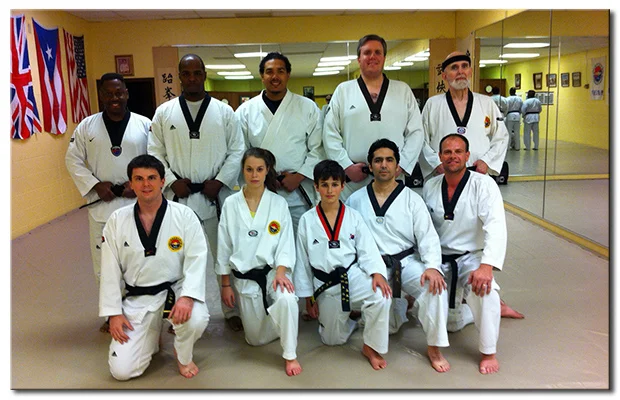
The quality of instruction and the training environment can influence the learning experience. Before enrolling, students should evaluate the school's teaching approach and safety practices.
Instructor Experience and Communication
Ask about the instructor's martial arts background, teaching experience, and approach to beginner instruction. Clear demonstrations and constructive feedback are important for students who are learning unfamiliar movements.
Class Structure
A well-organized class may include a warm-up, basic technique instruction, individual practice, partner drills where appropriate, and a cool-down. Ask how new students are introduced to the curriculum.
Safety Standards
Find out how the school manages contact, uses protective equipment, supervises partner practice, and responds to injuries. Students should not feel pressured to participate in activities beyond their current ability.
Age and Experience Groups
Some schools separate students by age or experience, while others combine groups for certain activities. Ask how instructors adapt lessons to different learning needs and physical abilities.
Training Expectations
Understand the schedule, fees, equipment requirements, attendance expectations, and progression system before making a commitment. If possible, observe a class or ask whether an introductory session is available.
People Also Ask
Is Taekwondo good for physical fitness?
Taekwondo can support cardiovascular endurance, coordination, balance, flexibility, and muscular endurance. The results depend on training frequency, class intensity, individual ability, and consistency.
Can Taekwondo help improve focus?
Taekwondo requires students to listen to instructions, remember movement sequences, follow timing, and respond to feedback. These activities provide opportunities to practice concentration, although individual results vary.
How many times a week should a beginner practice Taekwondo?
Many beginners can start with one or two classes per week and adjust as their fitness and schedule allow. Students should prioritize consistent attendance, sound technique, and adequate recovery.
Is Taekwondo suitable for adults who are not very fit?
Many introductory classes accommodate adults with limited fitness experience. Beginners should communicate their needs to the instructor and progress gradually rather than attempting advanced movements immediately.
Does Taekwondo involve more than kicking?
Yes. Taekwondo may include hand techniques, blocks, stances, forms, footwork, conditioning, defensive movements, and controlled partner exercises. The emphasis varies by school and curriculum.
Frequently Asked Questions
How long does it take to see fitness improvements from Taekwondo?
Some people notice changes in stamina, coordination, or movement confidence after several weeks of consistent activity. The timeline varies according to starting fitness, training intensity, recovery, and attendance.
Do beginners need special equipment?
Requirements depend on the school. Beginners may initially need comfortable exercise clothing, while a uniform and protective equipment may be required as training progresses. Confirm the school's rules before purchasing equipment.
Is Taekwondo a good workout for the whole body?
Taekwondo involves movement from the legs, hips, core, arms, and shoulders. It can provide a varied workout, although the amount of strength and cardiovascular training depends on the class format.
Can Taekwondo be combined with other exercises?
Yes. Walking, strength training, swimming, and mobility work can complement martial arts practice. Plan intensity and recovery so that combined activities do not lead to excessive fatigue.
What should students do if they struggle to learn a technique?
Break the technique into smaller steps, practice slowly, and ask the instructor for specific feedback. Repetition with proper form is generally more useful than rushing through a movement before understanding it.
Conclusion
Taekwondo combines physical movement with structured skill development, offering opportunities to improve fitness, coordination, balance, and concentration. Its emphasis on repetition, listening, patience, and gradual progression can also encourage useful training habits. Benefits depend on consistent practice, appropriate instruction, and realistic expectations, so beginners should choose a schedule and learning environment that suit their needs.
For those exploring traditional martial arts instruction, Grandmaster Park’s Taekwondo is one example to consider when researching local training options. People interested in Taekwondo for Fitness and Focus can begin by identifying their goals, observing a class, asking about safety, and committing to steady, manageable progress. Indianapolis Taekwondo can also be referenced as a local resource for readers exploring martial arts education.
#Taekwondo for Fitness and Focus, #Taekwondo training, #Taekwondo fitness benefits, #mental focus, #martial arts for beginners, #physical fitness, #concentration exercises, #martial arts training, #balance and coordination
Indianapolis Taekwondo
1744 E. 86th Street 1744 E. 86th Street
317-571-1400