
 Sign up with Google
 Sign in with Zoho

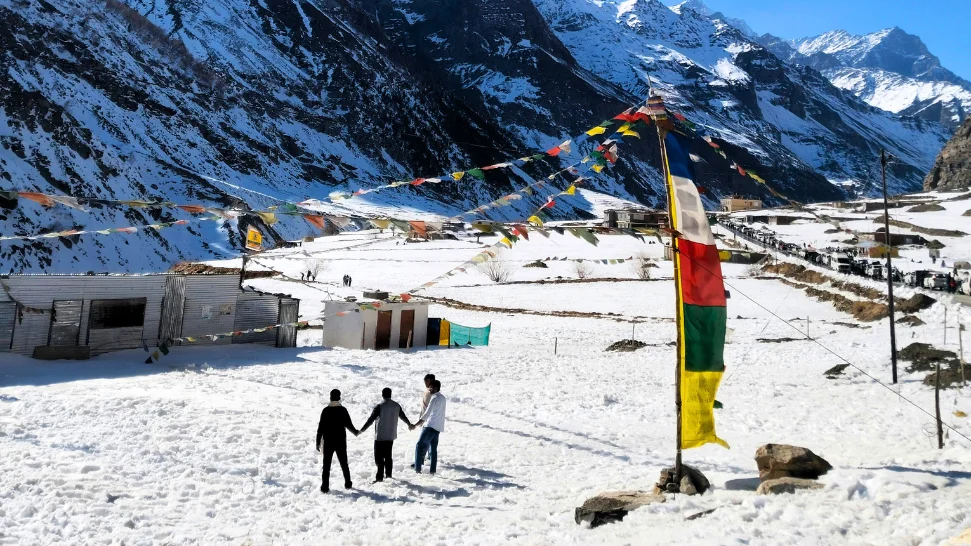
Manali in peak season can feel like one long queue with a mountain view. If that is not what you want from the hills, Himachal still has quieter options, from unexplored river valleys to hidden villages, most within a long day's drive of Chandigarh or Shimla.
This guide covers nine offbeat places in Himachal Pradesh: orchard villages, river valleys, and one heritage village that works when everything high is under snow. For each, you get what it is actually like, when to go, and the catch.
One warning first. Offbeat here means narrower roads, patchy mobile network and, in winter, roads that close. Plan for that and these places are worth the effort.
Which place, which month
Pick by the month you can travel, not by the photo. Most of these places are at their worst in July and August, when landslides close roads across the state.
Kullu and Mandi
1. Tirthan Valley
Tirthan is what people mean when they say they want Kullu without Manali. The river runs clear and loud, guesthouses sit almost on its banks, and the Great Himalayan National Park, a UNESCO World Heritage Site, starts further up the valley. Gushaini is the usual base.
Days are simple: walk the river path, eat trout, hike toward the park's eco-zone with a local guide. Fishing needs a licence from the fisheries department, so ask your host to arrange it. Don't come for cafes, and don't count on mobile network.
The drive is the real cost. Banjar is roughly six to seven hours from Chandigarh, and the last stretch is narrow.
2. Jibhi
Jibhi is a short drive from Banjar, so Tirthan and Jibhi fit into one trip. It is smaller and more of a village: cedar forest, a waterfall within walking distance, and Chehni Kothi, a centuries-old stone-and-timber tower that makes a good day out.
Jibhi has had a few years of Instagram attention, so weekends are noticeably busier than weekdays. Go midweek if quiet is the point. Wooden cottages and homestays are the norm; book ahead for October-November and spring.
3. Shoja and Jalori Pass
Shoja is a small settlement a few kilometres before Jalori Pass, at roughly 2,600 metres. It is the quietest base in this belt and gets proper snow in winter. From here you can drive up to the pass and walk to Serolsar Lake through oak and deodar forest.
The catch is winter. Jalori can close after heavy snow, so ask your host about the road the day before you leave. Plan a buffer day either way.
4. Barot Valley
Barot sits on the Uhl river in Mandi district, and it is far quieter than the Manali road. People come for trout, birdwatching and easy forest walks. Rajgundha, a village further up the valley, is the usual start for short treks.
You reach it through Joginder Nagar, where the narrow-gauge Kangra Valley railway ends, and then a slow mountain road. Two or three nights is enough. It is a place to slow down, not a base for sightseeing.
Kinnaur
5. Baspa Valley: Sangla, Rakcham and Chitkul
The Baspa valley runs up to Chitkul, the last inhabited village on the old route towards Tibet. Sangla, the first stop, has Kamru Fort and wide views of snow peaks. Rakcham, a short way on, is quieter still.
Chitkul has wooden houses, a small temple and fields of potatoes and peas. At over 3,400 metres it stays cold even in June, so carry proper layers. The road is often blocked by snow from about December to March.
The approach is the hard part. The Kinnaur highway crosses landslide-prone slopes, so avoid July and August. Withdraw cash before you start up the valley, because ATMs up there are not reliable.
6. Kalpa
Kalpa faces the Kinner Kailash range, and the reason to come is to watch the peaks change colour at sunrise and sunset. The village is terraced apple country, with Hindu and Buddhist temples side by side.
It is also the easier Kinnaur base if you are short on days. Reckong Peo, the district headquarters, is just below, so food, fuel and cash are simpler to sort than further up the valley. Come in autumn for the harvest and clear skies.
Shimla and Kangra
7. Pabbar Valley
The Pabbar river valley runs east of Shimla towards Rohru and Hatkoti, roughly three hours out. Hatkoti has the Hateshwari Mata temple, a cluster of old stone shrines dating to around the 8th century. Beyond it the valley is apple orchards, trout streams and the base for treks to Chanshal Pass, which is usually open only in summer.
Late summer into October is harvest, when the orchards are busiest and at their best. Facilities are basic and homestays are few, so book ahead and keep expectations modest. This is one of the least visited places on this list.
8. Mashobra and Fagu
If you only have a long weekend from Delhi or Chandigarh, start here. Mashobra is roughly 12 km from Shimla: deodar forest and apple orchards, with a far calmer feel than the Mall Road. Fagu sits higher and further out, and often holds snow longer.
Snowfall in Himachal is uneven from year to year, so treat snow here as a bonus, not a promise. Trip Planners India's guide to snowfall places in Himachal Pradesh shows where it is most reliable. Avoid driving into Shimla on winter weekends, when traffic backs up for hours.
9. Pragpur and Garli
Pragpur and neighbouring Garli, in Kangra district, were notified as India's first heritage village zone in 1997. Expect old havelis, stone-paved lanes, and a village pond rather than viewpoints.
The low altitude makes this the winter-proof option on the list: mild days while the high passes are shut. Summers are hot, so skip May and June. Pair it with Dharamshala or Palampur if you want a longer trip.
Planning notes
Check the road, not just the forecast. Landslides and snow close Himachal roads more often than rain alone. Call your host the day before and ask about the road. Recent monsoons have damaged roads across the state, and repairs can take weeks.
Download offline maps and carry cash. The network drops out in all of these valleys, and ATMs and card machines are rare. Tell someone your route before you leave.
Ask about heating. Homestays can be quite cold from December to February. Ask whether rooms have heaters and hot water before you book.
Do fewer places, for longer. Each spot here deserves two or three nights. A trip that stitches together Tirthan, Barot, and Kinnaur is mostly driving. A realistic Himachal itinerary picks one region and stays put.
Leave little behind. Carry your rubbish out, follow the fishing and eco-zone rules near the national park, and keep the noise down. Small villages absorb crowds badly.
[Add a lesson from your own trips here: a road you misjudged, a booking you would change.]
FAQs
1. Which offbeat places in Himachal Pradesh are best in winter?
Shoja, Fagu, and Mashobra if you want snow, and Pragpur and Garli if you would rather have mild weather. Kinnaur is beautiful in winter, but its roads often close, so go only if you have flexible dates.
2. Which offbeat place is closest to Delhi?
Mashobra and Fagu, near Shimla. Delhi to Shimla by road usually takes seven to eight hours, and Mashobra is a short drive further.
3. Can I visit these places in the monsoon?
You can, but July and August carry the highest risk of landslides and road closures, especially in Kinnaur and the Kullu valleys. If you must travel then, keep your dates flexible and check road status every morning.
Also Read: Improving Mobility in Himachal Pradesh with Vimanshu’s Efficient and Safe Escalator Systems











.webp)