Sign up with Google
 Sign in with Zoho
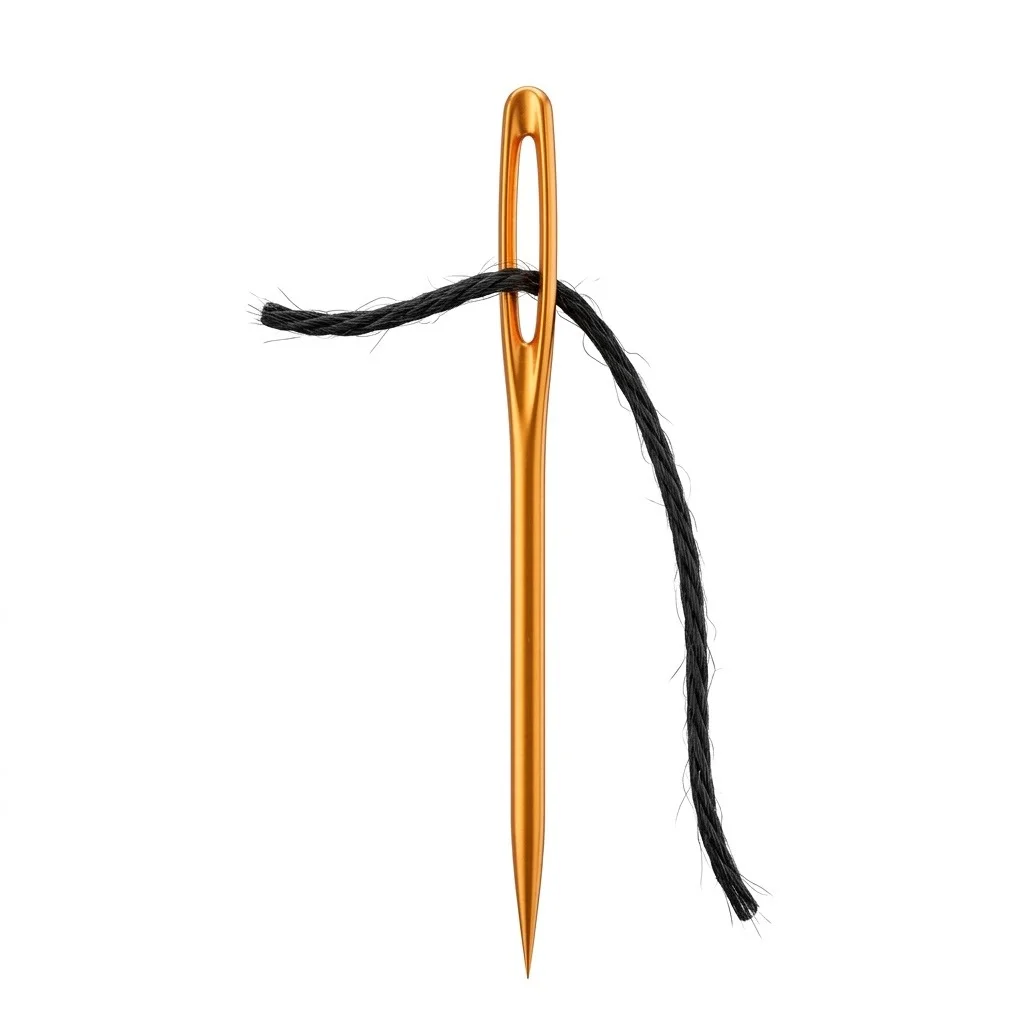
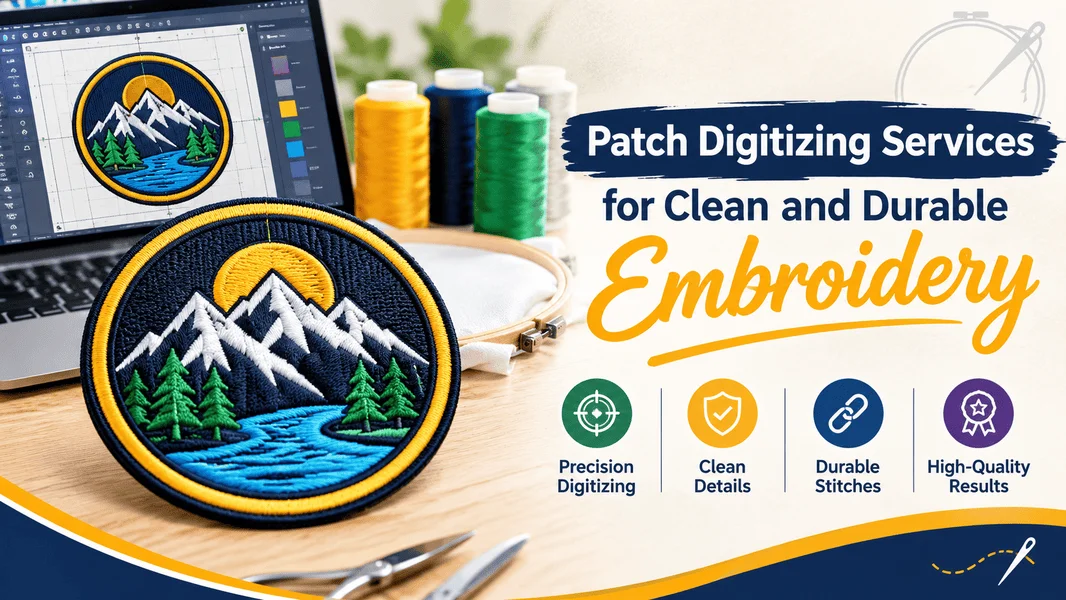
A quality embroidered patch starts with a well-prepared embroidery file. At iDigitize, we use premium patch digitizing services to prepare artwork with proper stitch planning, borders, density, and sequencing. Our goal is to help you turn logos, artwork, badges, and other designs into files that are ready for embroidery production.
The purpose of patch digitizing services is to convert artwork into a machine-readable embroidery file while accounting for the special needs of a patch. Unlike ordinary artwork preparation, patch digitizing requires attention to the border, edge compensation, underlay, stitch direction, and stitch sequence. These details can affect how the finished patch holds its shape and displays its artwork.
What Are Patch Digitizing Services?
Patch digitizing services involve creating an embroidery file specifically for producing an embroidered patch. We take your artwork and plan how the embroidery machine should build each part of the design using different stitch types, densities, directions, and sequences.
A patch often has a defined outer edge that must remain clean after embroidery and finishing. For that reason, we pay close attention to the border and how stitches interact with the patch material. Our patch digitizing process also considers edge compensation and underlay to help create a more stable embroidered result.
At iDigitize, we manually digitize patch artwork and quality-check the resulting files before delivery. We support common embroidery formats such as DST, PES, EMB, EXP, JEF, VP3, HUS.
Why Does Patch Digitizing Need Special Stitch Planning?
A patch is different from embroidery placed directly onto a garment. The finished design normally has its own shape, border, backing, and application method. That means the embroidery file needs to be planned around the complete patch rather than only the artwork itself.
With professional patch digitizing services, we consider several important elements:
- Stitch density for different design areas
- Stitch direction for visual consistency
- Underlay to support the embroidery
- Edge compensation to account for stitch movement
- Stitch sequencing to organize the embroidery process
- Border construction for a clean finished edge
- Design size in relation to the amount of detail
These factors are especially important when a patch contains lettering, narrow lines, small shapes, or irregular borders.
How We Prepare Artwork for Patch Embroidery
Our process starts with your artwork and the production information you provide. We recommend giving us the target patch dimensions, fabric information, placement details, thread colors, and required embroidery format. These details help us prepare the file according to your production requirements.
1. We Review the Artwork
First, we examine the artwork to understand its shapes, text, colors, borders, and level of detail. We also consider the intended patch size because a design with many small elements may need careful stitch planning.
2. We Plan the Stitch Structure
Next, we determine how the embroidery should be constructed. Stitch direction, density, underlay, and sequence all play a role in creating a machine-ready file.
3. We Build the Patch Border
The border is one of the most important parts of a patch. We plan the border according to the patch shape and artwork. iDigitize recommends borders around 2–3 mm wide, while detailed or irregular shapes may benefit from a satin border. Round and square patches can use merrow borders where appropriate.
4. We Quality-Check the File
After digitizing, the design is checked before delivery. Our patch service page states that each design is double-checked for production readiness, and the files are supplied in the machine format required.
What Makes a Patch Design Easier to Embroider?
Good artwork preparation can make the digitizing process more effective. Before sending us your design, we recommend checking the size of text, spacing between elements, and overall patch dimensions.
For example, iDigitize recommends keeping patch borders around 2–3 mm wide and avoiding text smaller than approximately 4–5 mm because very small lettering can become difficult to read after stitching. Design elements should also have enough space between them so stitches do not merge.
We also recommend choosing the patch size according to the design. If a design contains many fine details, making the patch too small can cause those details to disappear in the stitching. Enlarging the patch or simplifying small elements may provide more practical embroidery results.
Choosing the Right Patch Construction
Different patch styles can require different approaches. We provide digitizing for several patch types, including:
- Embroidered patches
- Chenille patches
- 3D puff patches
- Applique patches
- Merrowed border patches
- Bullion and metallic thread patches
- Woven patches
We also support different backing options, including sew-on, iron-on, and hook-and-loop styles. The appropriate backing depends on how and where the finished patch will be used.
For example, a uniform patch may use sew-on backing, while a tactical-style patch may use hook-and-loop backing. Promotional applications may use heat-seal options. The backing should be considered before production rather than treated as an afterthought.
Which Embroidery Formats Do We Provide?
Your digitized patch file needs to work with the embroidery machine you plan to use. We provide several major machine formats, including:
- DST
- PES
- EMB
- EXP
- JEF
- VP3
- HUS
If you are unsure which format your machine requires, you can provide your machine information when submitting your order. We can use that information to prepare the appropriate file format.
Common Patch Digitizing Mistakes to Avoid
Poor results can sometimes come from artwork or production decisions rather than the embroidery machine itself. When preparing a patch, we recommend avoiding these common issues:
Using extremely small text: Small lettering can lose readability after stitching.
Making borders too narrow: A border that is too thin may not provide the desired edge coverage.
Crowding design elements: Closely placed details can merge when converted into stitches.
Ignoring patch size: A highly detailed design may require more physical space to remain clear.
Providing incomplete production details: Missing dimensions, fabric information, colors, or machine format can make file preparation less precise.
By addressing these points before production, you give us clearer information for creating your embroidery file.
When Should You Use Professional Patch Digitizing?
Professional patch digitizing services can be useful when your artwork contains detailed shapes, lettering, multiple stitch areas, or a custom border. They are also helpful when you need a machine-ready file rather than a standard image file.
At iDigitize, we manually digitize patch designs and tailor stitch planning to the artwork and requested specifications. Our patch service supports different patch styles and machine formats, while our quality-check process helps ensure the file is prepared for production.
Our premium patch digitizing services can also be relevant when you need a patch design prepared for a specific size, backing, shape, or embroidery application. Providing complete production information at the beginning helps us understand the requirements of your project.
Conclusion
Choosing the right embroidery file is an important part of producing a clean and durable patch. At iDigitize, we prepare patch artwork with attention to borders, stitch density, underlay, sequencing, edge compensation, and machine compatibility. Our premium patch digitizing services are designed to help you turn your artwork into a practical embroidery file for production.
If you are ready to prepare a logo, badge, artwork, or custom patch design for embroidery, send us your artwork and production details. We can then prepare the appropriate machine-ready file based on your requirements.
Frequently Asked Questions
What are patch digitizing services?
Patch digitizing services convert artwork into embroidery files designed specifically for making patches. We plan stitches, density, direction, underlay, sequencing, borders, and edge compensation according to the design and patch requirements.
What file formats do you provide for patches?
We provide major embroidery formats including DST, PES, EMB, EXP, JEF, VP3, HUS. We can prepare the format required by your embroidery machine when you provide the relevant machine information.
Can you digitize detailed designs for small patches?
Yes. We can digitize complex designs, but very small text and extremely fine lines can become difficult to reproduce clearly in embroidery. We recommend matching the patch size to the amount of detail in the artwork.
How long does patch digitizing take?
Our patch digitizing page lists standard delivery at 4–12 hours, with rush service available in approximately 1–4 hours. Actual requirements can depend on the design and selected service.
Can you create 3D puff patch files?
Yes. We provide 3D puff patch digitizing and adjust stitch pathing and density to suit the requirements of the patch design.