Sign up with Google
 Sign in with Zoho
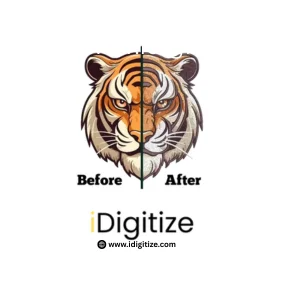
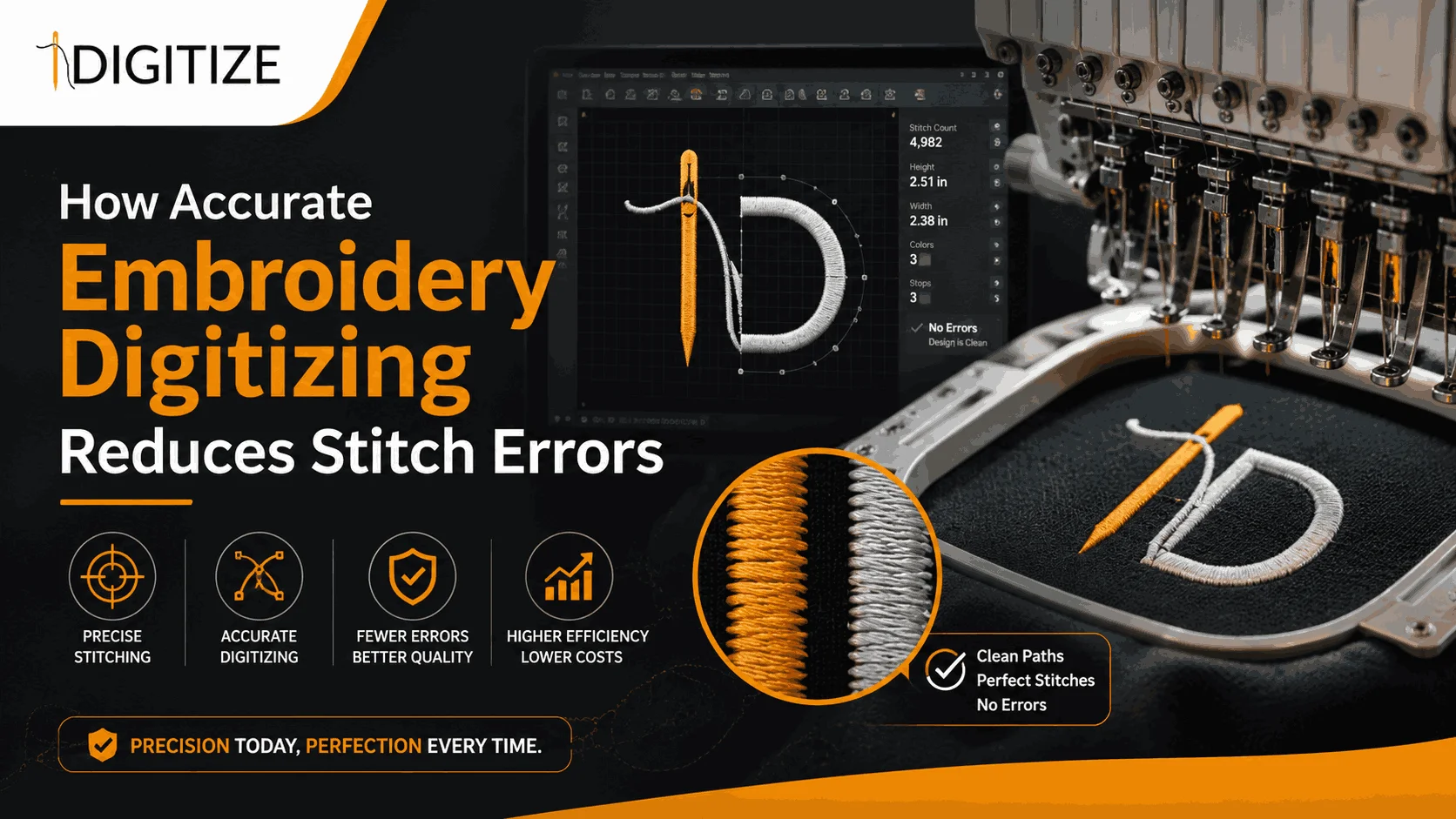
Embroidery quality depends on more than a good machine and premium thread. The digitized embroidery file plays a major role in how smoothly the design runs and how clean the final result looks. accurate embroidery digitizing gives the machine clear instructions for stitch type, direction, density, underlay, trims, and color changes. When these details are planned correctly, stitch errors and thread breaks are reduced during production.
A poorly digitized file can create many problems, including skipped stitches, broken thread, uneven outlines, needle breaks, puckering, and wasted garments. These issues slow down production and affect the quality of the finished embroidery. For apparel brands, uniform suppliers, promotional product companies, and embroidery shops, accuracy in digitizing is essential for reliable results.
What Is Embroidery Digitizing?
Embroidery digitizing is the process of converting artwork, logos, or custom designs into a machine-readable embroidery file. This file guides the embroidery machine on where to place stitches and how the design should sew on fabric.
Professional digitizing is not just a file conversion. It requires knowledge of fabric behavior, thread tension, stitch types, machine movement, and design structure. A skilled digitizer reviews the artwork and prepares it in a way that helps the machine sew smoothly with fewer errors.
Why Stitch Errors Happen in Embroidery
Stitch errors usually happen when the machine receives poor instructions from the embroidery file or when the file is not suitable for the fabric. Even a high-quality machine can produce poor results if the digitized file has incorrect settings.
Common causes of stitch errors include excessive stitch density, wrong stitch direction, poor underlay, unnecessary trims, bad sequencing, and lack of pull compensation. These problems can cause the thread to snap, fabric to shift, outlines to misalign, or small details to lose clarity.
Accurate embroidery digitizing helps prevent these issues before production begins.
How Accurate Digitizing Reduces Thread Breaks
Thread breaks are one of the most frustrating problems in embroidery production. They stop the machine, waste time, and may leave visible flaws in the design. In many cases, thread breaks are linked to poor digitizing.
When a design has too many stitches in one area, the needle must pass through dense thread layers repeatedly. This creates friction and tension, which can cause the thread to break. Accurate digitizing controls stitch density so the thread flows more smoothly through the fabric.
A professional digitizer also plans stitch angles carefully. When stitch direction is poorly arranged, thread tension can become uneven. Proper stitch direction reduces stress on the thread and helps the design sew more cleanly.
The Role of Stitch Density
Stitch density refers to how close the stitches are placed together. If density is too high, the design may feel stiff, bulky, and difficult to sew. If density is too low, the fabric may show through, and the design may look incomplete.
Accurate embroidery digitizing balances density according to the fabric, thread type, and design size. For example, a logo on a polo shirt may need different density than the same logo on a jacket or cap. This adjustment helps prevent thread breaks, skipped stitches, and fabric damage.
Balanced density also improves the appearance of the design. The embroidery looks smoother, cleaner, and more professional.
Proper Underlay Prevents Fabric Movement
Underlay stitches are the foundation stitches placed before the main design stitches. They help stabilize the fabric, support the top stitches, and reduce shifting during embroidery.
Without proper underlay, fabric can move while the machine is sewing. This may cause outlines to become uneven, shapes to distort, and details to appear messy. Poor underlay can also increase thread tension, which may lead to thread breaks.
Accurate digitizing uses the right type of underlay for each design area. Light fabrics, thick fabrics, stretchy materials, and textured surfaces all require different underlay choices. When underlay is planned correctly, the design stays more stable throughout the stitching process.
Better Stitch Pathing Means Smoother Production
Stitch pathing is the order in which the embroidery machine sews the design. Good pathing helps the machine move efficiently from one area to another. Poor pathing can create unnecessary jumps, trims, thread changes, and tension points.
Accurate embroidery digitizing creates a logical stitch sequence. This reduces machine stops and lowers the chance of thread breaks. It also helps keep the fabric stable because the design is built in a controlled order.
For large orders, better pathing can make production faster and more consistent. Fewer stops mean less downtime, fewer repairs, and fewer rejected pieces.
Pull Compensation Helps Maintain Design Shape
During embroidery, stitches naturally pull the fabric inward. This can make shapes shrink, outlines shift, or letters appear thinner than expected. Pull compensation is the adjustment made during digitizing to account for this movement.
If pull compensation is ignored, the final embroidery may not match the original artwork. Text may become hard to read, borders may not line up, and shapes may look uneven.
Accurate digitizing applies proper pull compensation based on fabric type and stitch direction. This helps the design keep its intended shape after stitching.
Fewer Needle Breaks and Machine Stops
Thread breaks are not the only issue caused by poor digitizing. Needle breaks can also happen when the file has heavy density, tight corners, or repeated stitches in one small area. These problems put extra pressure on the needle and machine.
Accurate embroidery digitizing reduces this risk by spreading stitches correctly and avoiding unnecessary buildup. It helps the machine sew at a smoother pace with fewer interruptions.
This is especially important for embroidery businesses handling bulk orders. Every machine stop can affect delivery time, labor cost, and customer satisfaction.
Improved Results on Different Fabric Types
Each fabric reacts differently during embroidery. Cotton, polyester, fleece, denim, leather, towels, and caps all need different digitizing settings. A file that works well on one fabric may create errors on another.
Accurate digitizing considers the fabric before the file is created. Stretch fabrics may need lighter density and careful stabilization. Towels may need stronger underlay so the design does not sink into the texture. Caps may need a specific sewing sequence to reduce shifting on the curved surface.
This fabric-focused approach helps reduce stitch errors and thread breaks while improving the final appearance.
Why Professional Digitizing Services Matter
Professional embroidery digitizing services bring technical skill and production experience to the process. An experienced digitizer knows how to prepare artwork for real embroidery conditions, not just for digital preview.
They can adjust small details, simplify complex artwork, choose proper stitch types, and create a file that runs efficiently on embroidery machines. This reduces the chance of costly production issues.
For businesses, professional digitizing can save time, reduce waste, and improve order quality. A well-prepared file helps deliver consistent embroidery across uniforms, hats, patches, bags, jackets, and promotional items.
Final Thoughts
Accurate embroidery digitizing is one of the most effective ways to reduce stitch errors and thread breaks. It controls stitch density, underlay, pathing, pull compensation, and fabric response. When these elements are handled correctly, the embroidery machine runs more smoothly and produces cleaner results.
Poor digitizing can lead to broken thread, skipped stitches, distorted designs, damaged garments, and production delays. Accurate digitizing helps avoid these problems before they happen.
For any business that wants reliable embroidery quality, investing in professional digitizing is a smart decision. A clean, well-planned embroidery file leads to better production, fewer errors, and a finished design that looks polished and durable.