Sign up with Google
 Sign in with Zoho

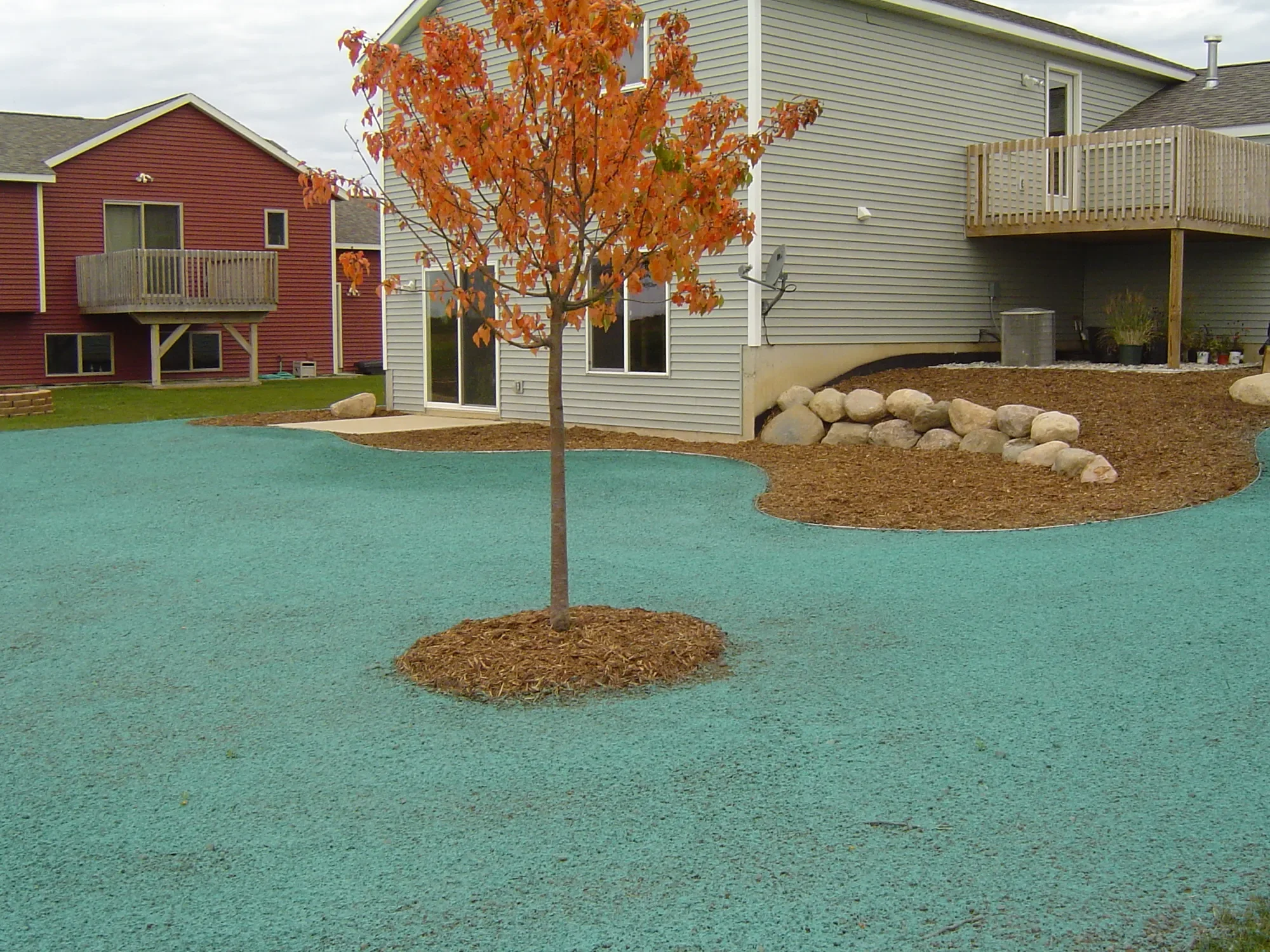
Commercial properties need more than attractive landscaping to create a strong first impression. Healthy, evenly established turf can improve curb appeal, reduce soil erosion, and make large outdoor areas more functional. That is why commercial hydroseeding services have become a practical choice for developers, property managers, municipalities, and business owners. Hydroseeding combines seed, water, mulch, fertilizer, and soil-supporting additives into a slurry that is sprayed over prepared ground. When properly planned and maintained, the process can establish grass efficiently across large areas while offering flexibility for different soil and site conditions.
What Is Commercial Hydroseeding?
Commercial hydroseeding is a professional turf establishment method designed for larger properties and demanding landscapes. Instead of placing individual rolls of sod or spreading dry seed by hand, contractors apply a carefully mixed slurry across the prepared soil surface. The mixture typically contains grass seed, water, fiber mulch, fertilizer, and other amendments selected according to the project. This approach allows contractors to cover expansive areas relatively quickly while creating consistent seed distribution across the site.
The method is particularly useful for commercial developments, roadways, parks, sports fields, apartment communities, industrial properties, and newly constructed landscapes. Proper application helps protect seed from wind and moisture loss while the mulch layer creates a favorable environment for germination. However, successful results depend on more than spraying the mixture. Soil preparation, seed selection, irrigation, weather conditions, drainage, and post-installation maintenance all have a significant impact on the final turf.
How the Hydroseeding Process Works
The first stage of professional hydroseeding is site assessment and preparation. Contractors evaluate soil conditions, sunlight exposure, drainage, slopes, existing vegetation, and the intended use of the property. Compacted or unsuitable soil may need grading, aeration, amendments, or other preparation before seed application. Removing and debris also gives new grass less competition during its early development. Good preparation is one of the most important factors affecting germination and long-term turf performance.
After preparation, the contractor selects an appropriate seed blend for the property's climate, soil characteristics, traffic levels, and maintenance expectations. The selected seed is then combined with water, mulch, fertilizer, and other suitable materials inside a hydroseeding tank. The slurry is mechanically mixed to create an even consistency before being pumped through specialized spraying equipment. Operators then distribute the mixture over the target area, paying particular attention to slopes, edges, drainage zones, and areas that require additional coverage.
Once the slurry has been applied, the establishment period begins. The fiber mulch helps retain moisture around the seed while providing some protection from environmental conditions. The new turf still requires careful watering, because newly germinated grass has a shallow root system and can dry out quickly. As the seedlings mature, irrigation frequency can gradually change. Professional contractors may also provide recommendations for mowing, fertilization, management, and other maintenance practices to help the lawn become dense and resilient.
Why Businesses Choose Commercial Hydroseeding Services
One of the biggest advantages of commercial hydroseeding is its suitability for covering large areas efficiently. Applying seed through specialized equipment can be faster and more practical than manually distributing seed across extensive properties. It also makes it easier to achieve relatively uniform coverage when the site has challenging contours or difficult-to-access areas. For developers working on tight construction schedules, efficient turf establishment can help move a project closer to completion.
Hydroseeding can also be useful for erosion control. Bare soil on construction sites, embankments, drainage areas, and disturbed land can be vulnerable to rainfall and wind. Vegetation provides natural protection once roots become established, while the mulch component can offer temporary surface coverage during the early growth period. Businesses should remember that hydroseeding is not a substitute for engineered erosion-control systems where those systems are required. Site-specific conditions should always be evaluated by qualified professionals.
Another important benefit is flexibility. Contractors can customize seed mixtures for different site requirements rather than relying on a single turf variety. A commercial property with heavy foot traffic may require different grass characteristics than a landscaped office campus or roadside slope. Experienced professionals can consider regional growing conditions and recommend an appropriate approach. This tailored strategy can contribute to healthier turf and potentially reduce future maintenance challenges.
Commercial Hydroseeding Costs: What Affects Pricing?
The cost of commercial hydroseeding varies significantly from one project to another, so there is no universal price that applies to every property. Total project costs can depend on the size of the area, terrain, soil preparation requirements, seed mixture, mulch type, fertilizer, accessibility, labor, irrigation requirements, and site conditions. A flat, prepared construction lot will generally present different challenges from a steep property requiring extensive grading and erosion-control measures.
Project timing can also influence costs. Weather, seasonal growing conditions, seed availability, and site readiness may affect scheduling and the overall installation strategy. Additional services such as grading, soil amendments, irrigation installation, erosion control, or follow-up applications may increase the initial investment. Rather than comparing contractors based solely on the lowest estimate, commercial property owners should request detailed proposals explaining what is included in the price.
A professional estimate should clearly identify preparation work, materials, application, expected maintenance requirements, and any additional services. It is also useful to ask about the contractor's experience with projects similar in size and scope. Reviewing previous work, service processes, and customer feedback can provide valuable insight into professionalism and reliability. These steps help property owners make decisions based on expected value rather than simply selecting the cheapest bid.
Understanding the ROI of Hydroseeding
Return on investment for commercial hydroseeding should be considered beyond the initial installation price. A healthy lawn can improve the visual appearance of commercial properties, strengthen the presentation of newly developed sites, and contribute to a more attractive environment for employees, customers, tenants, and visitors. For properties where appearance influences leasing, sales, or customer perception, well-established landscaping can support broader business objectives.
Hydroseeding may also provide value by helping establish vegetation across areas where traditional seeding methods are less efficient. A successful turf installation can reduce exposed soil and potentially limit future corrective work associated with poor establishment. When the correct seed mixture is selected and maintenance is handled properly, the resulting turf can become a durable landscape asset. However, ROI depends heavily on installation quality and ongoing care, so expectations should be based on the specific property rather than generic promises.
Property owners should evaluate ROI over the entire life of the landscape. Consider installation expenses, irrigation, mowing, fertilization, management, repairs, and potential reseeding. Comparing these costs against the property's aesthetic and functional benefits provides a more realistic assessment. Professional planning can also help avoid expensive mistakes, such as selecting unsuitable grass varieties or attempting to establish turf without addressing underlying soil and drainage problems.
Commercial vs. Residential Hydroseeding
Although the basic hydroseeding concept is similar for residential and commercial properties, project requirements can be very different. Commercial work often involves substantially larger areas, stricter deadlines, higher traffic expectations, complex site layouts, and coordination with construction or property-management schedules. Contractors may also need to work around parking areas, buildings, utilities, sidewalks, drainage systems, and other infrastructure.
Homeowners searching for residential hydroseeding near me are usually focused on improving lawns, repairing bare areas, establishing turf around a new home, or renovating an existing landscape. Commercial clients, on the other hand, may need an entire property established at once. Understanding this distinction is important when selecting a contractor. A company experienced with residential lawns may not necessarily have the equipment, workforce, or project-management experience required for a major commercial development.
Regardless of property type, choosing an experienced professional remains important. Ask about previous projects, seed selection, soil preparation, watering recommendations, expected establishment times, and maintenance requirements. Contractors should be willing to explain their process clearly instead of making unrealistic guarantees. Transparent communication and documented project expectations are valuable indicators of a professional service provider.
How to Choose the Right Hydroseeding Contractor
Choosing the right contractor can make a significant difference in the success of a commercial turf project. Start by looking for a company with experience handling properties similar to yours in size, terrain, and intended use. Ask for examples of completed projects and determine whether the contractor understands local growing conditions. A knowledgeable provider should be able to discuss soil preparation, seed selection, application techniques, irrigation, and long-term turf care.
It is also important to verify the contractor's business credentials and evaluate customer reviews from reputable sources. When appropriate, ask whether the company carries relevant insurance and follows applicable local requirements. A detailed written proposal should explain the scope of work, materials, preparation, pricing structure, and expected responsibilities after installation. Clear documentation reduces misunderstandings and makes it easier to compare competing proposals fairly.
Finally, remember that hydroseeding is an investment in the property's future appearance and usability. The best results come from combining professional application with proper soil preparation and consistent maintenance. Whether you are developing a commercial property, restoring a disturbed landscape, or improving a large outdoor area, commercial hydroseeding services can provide an efficient approach to establishing healthy turf when the project is properly designed and managed. By evaluating quality, cost, experience, and long-term value together, property owners can make a more informed landscaping decision.