Sign up with Google
 Sign in with Zoho

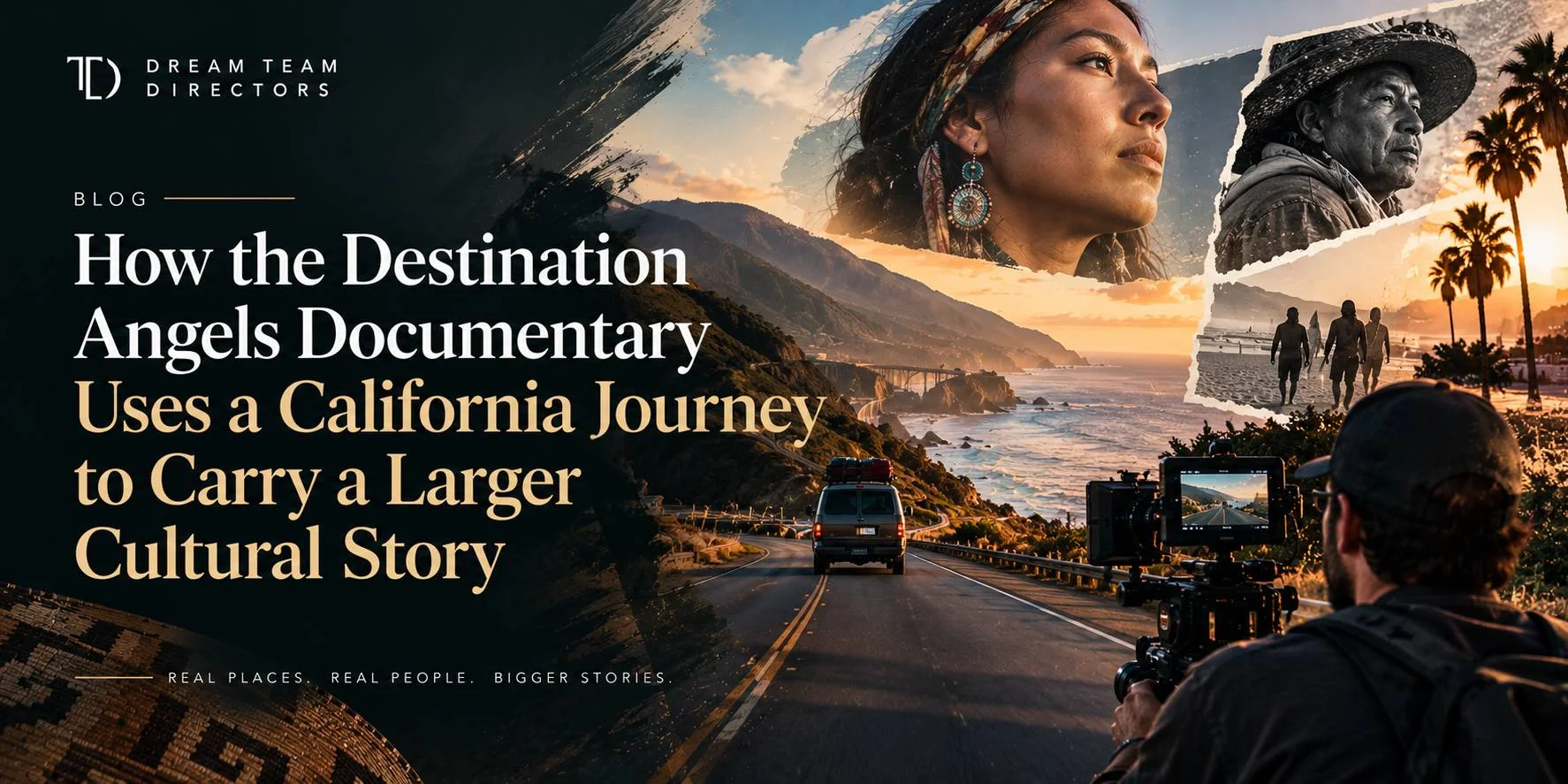
What happens when a musician approaches a writer’s work through travel and composition rather than a conventional biography?
The Destination Angels Documentary follows Chris Mansfield, known as FENCES, through California on a journey connected to Jack Kerouac. Literature supplies the starting point, but the film places a contemporary artist in motion. Mansfield follows clues in Kerouac’s poems and writings while creating music along the route. The result gives audiences a specific way into a broader cultural question: how does an artist respond to work inherited from another generation?
The documentary brings that question into focus through place, creative activity, and narration. Its approach offers a foundation for discussing literary influence without reducing the subject to an author’s career summary.
A California Documentary Route With A Narrative Purpose
The Beverly Hills Film Festival synopsis identifies Venice Beach, Big Sur, San Francisco, and Napa Valley among the journey’s locations. These places establish a route through California, giving the film a structure that extends beyond a collection of literary references.
For the Destination Angels Documentary, travel creates an organizing principle. Mansfield encounters the source material while pursuing a creative task, so the journey carries a question forward: what will he make from what he finds? That distinction gives the road narrative its purpose.
A location can provide context without explaining an entire cultural history. The film’s premise allows the route to connect separate encounters while Mansfield’s musical work supplies continuity. Audiences can follow the creative process even if they enter with limited knowledge of the Beat Generation.
The destination, in narrative terms, concerns an artistic response as much as arrival at a place.
Kerouac’s Writings Connect Literary Heritage With New Music
The festival synopsis describes Mansfield following clues in Kerouac poems and writings that audiences had not seen before. That material gives the project a particular source of interest, but access alone does not explain its storytelling value.
The Destination Angels Documentary gives the writings a function within the journey. They guide Mansfield’s search while he creates music. Literature therefore supplies both subject and stimulus, connecting the historical material to work taking shape in the present.
Dream Team Directors describes its wider practice through cinematic storytelling, an approach that aligns with this emphasis on character, place, and creative action.
The distinction between interpretation and biography deserves attention. Mansfield’s response cannot represent every reading of Kerouac, nor does the premise claim that authority. Instead, the film follows a named artist through a defined encounter. That boundary supports a focused cultural story and avoids asking a short documentary to account for an entire literary movement.
Documentary Collaboration Brings Distinct Creative Roles Together
The Beverly Hills Film Festival credits Daniel Lir and Jim Sampas as directors, Dru DeCaro and Chris Mansfield as writers, and DeCaro as producer. Norman Reedus provides narration. These credits distinguish the film’s directing partnership from the broader professional partnership between Lir and Bayou Bennett.
Within the Destination Angels Documentary, the combination of travel, writing, and music gives the collaborators a shared narrative problem: how to connect different forms of expression without losing the central journey.
The project’s credited elements support that structure:
- Mansfield supplies the contemporary artistic perspective through his travel and music creation.
- Kerouac’s writings provide material for discovery and interpretation, while Reedus contributes a separate narrative voice.
Dream Team Directors identifies collaboration with DeCaro and the Jack Kerouac Estate as part of the production’s background.
Those relationships give the project context. The stronger editorial emphasis, however, remains the relationship between the material and Mansfield’s response, rather than a list of recognizable participants.
Festival Recognition Places The Cultural Story Before Audiences
The DaVinci International Film Festival presented Destination Angels: A Jack Kerouac Centennial for its US debut and identified the film as an Honorary Leo Award recipient. The Beverly Hills Film Festival included the documentary in its official selection.
That exhibition history establishes festival recognition without requiring claims about commercial reach or audience impact. It also places the film within a setting where viewers encounter documentary work through programming and discussion.
For a project connecting music with literary heritage, that context offers a relevant route to audiences beyond a single artistic field. A viewer may approach through an interest in FENCES, Kerouac, California, or documentary filmmaking. The journey supplies a common point of entry, while each interest opens a different line of inquiry.
Conclusion: A Focused Approach To Cultural Documentary Storytelling
The Destination Angels Documentary uses a California journey to connect literary material with an artist’s creative response. Its premise gives travel a purpose, assigns the writings an active role, and keeps music connected to the unfolding search.
For cultural documentary development, the project supports a useful editorial principle: define whose experience carries the story and what that person seeks to create. A focused perspective can give audiences access to a larger subject without claiming to explain every part of it.