Sign up with Google
 Sign in with Zoho

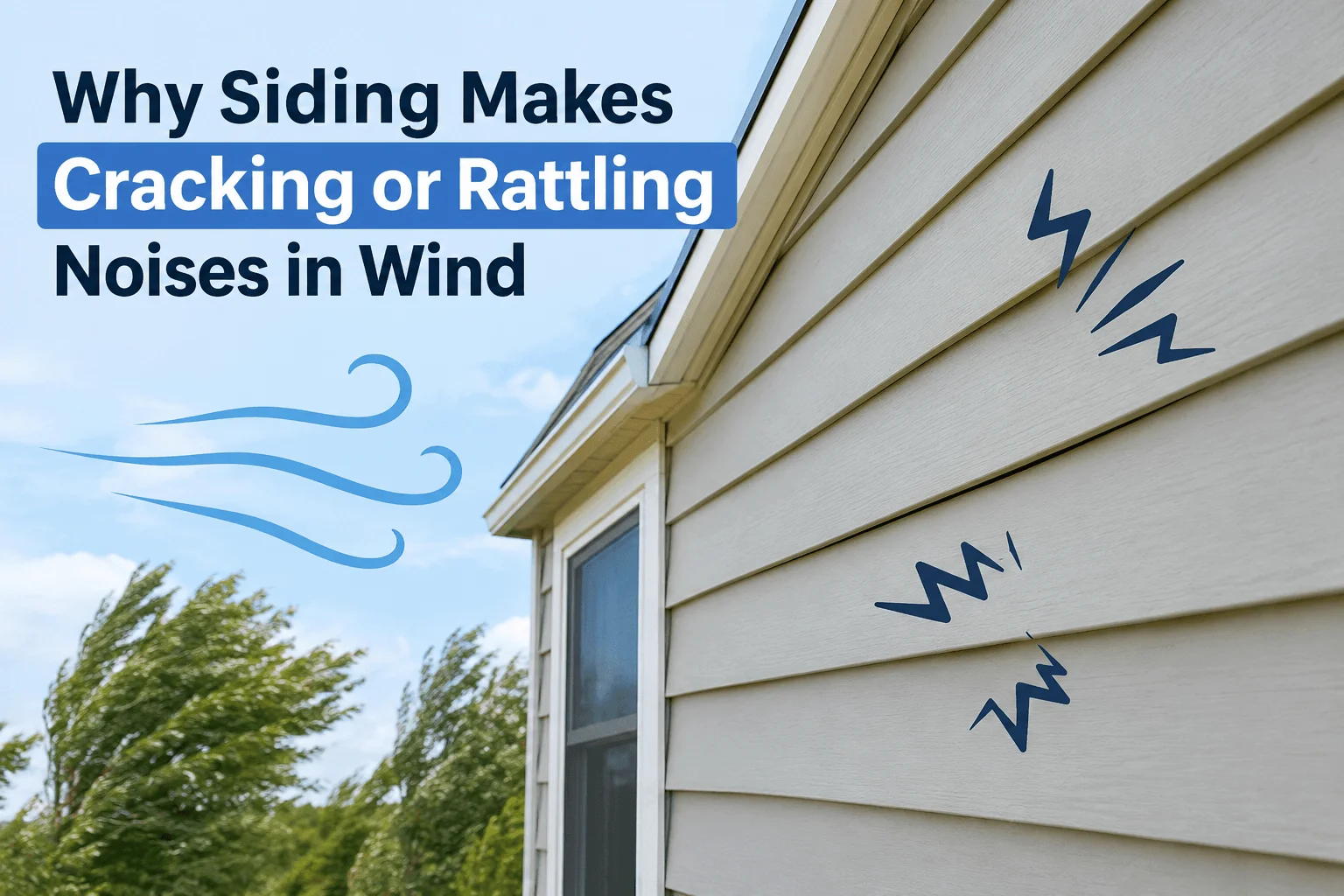
Have you ever heard your home's siding making cracking, popping, or rattling noises during a windy day? You might notice a strange sound coming from an exterior wall, especially when strong gusts hit your house. While occasional noises can occur as siding materials expand and contract with temperature changes, repeated rattling or loud cracking sounds may indicate loose panels, installation issues, damaged fasteners, or other exterior problems that need attention. Understanding the cause can help you protect your home, avoid unnecessary repair costs, and determine when to contact siding repair and installation experts.
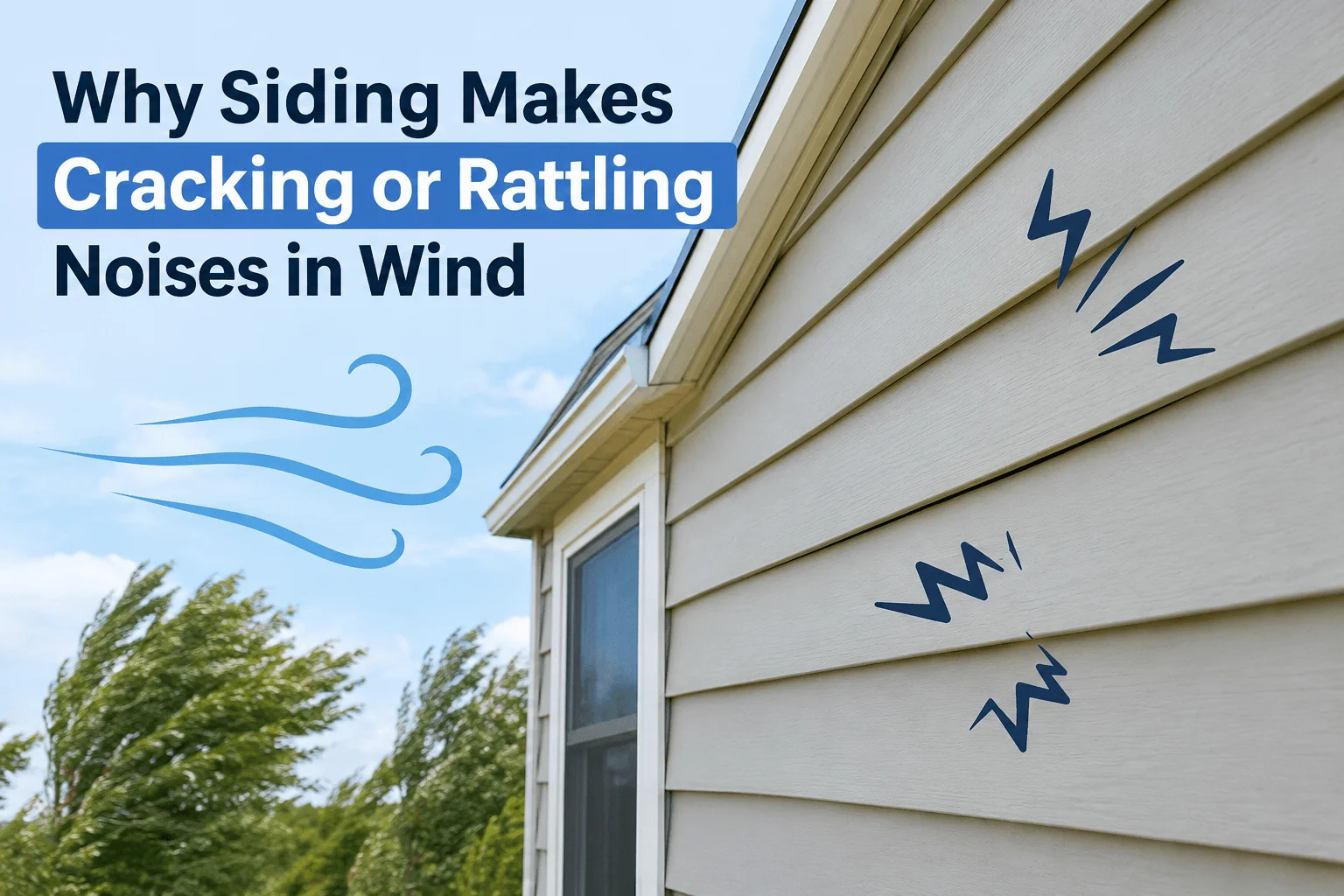
Why Does Siding Make Noise During Windy Weather?
Siding materials are exposed to changing temperatures, rain, sunlight, and wind throughout the year. During strong winds, pressure against your home's exterior can cause improperly secured siding panels to move. This movement may create rattling, clicking, popping, or cracking sounds. Vinyl siding, in particular, needs room to expand and contract as temperatures change. If panels are installed too tightly, they may buckle or make popping noises. If they are too loose, they may vibrate when wind passes over the wall. Other siding materials can also produce noises when fasteners loosen, joints move, or damaged sections shift. The sound itself does not always mean serious damage has occurred, but repeated or increasingly loud noises deserve a closer look.
Loose Siding Panels May Be the Main Cause
Loose panels are one of the most common reasons homeowners hear rattling during windy weather. When siding is not securely fastened, wind can move the panels back and forth against the wall. You may hear the noise around corners, near rooflines, beneath windows, or along the sides of your house that receive the strongest gusts. Sometimes, a panel may look normal from the ground even though its edges are moving. Ignoring loose siding can increase the risk of further damage during storms. Strong winds may pull panels farther away from the wall or cause them to detach. If you notice visible movement, separated edges, or repeated rattling from the same location, consider having the area evaluated by a qualified siding professional.
How Improper Installation Can Create Cracking and Popping Sounds
Siding installation requires correct fastening, alignment, spacing, and attention to the manufacturer's instructions. When these details are overlooked, panels may not move naturally as temperatures change. For example, vinyl siding fastened too tightly may be unable to expand and contract properly. This can create stress, distortion, or popping sounds. Incorrectly positioned panels or unsuitable fasteners can also contribute to movement during windy conditions. If the noise began shortly after a siding installation or replacement project, installation problems may be worth investigating. A qualified contractor can check the affected areas and determine whether adjustments or repairs are necessary.
Temperature Changes Can Make Siding Crack or Pop
Not every cracking sound indicates loose siding. Materials naturally respond to changes in temperature. During hot weather, many siding materials expand, while cooler conditions cause them to contract. This movement can produce occasional popping or clicking sounds, particularly when temperatures change quickly. However, temperature-related movement should not automatically be blamed for every noise. If you hear loud cracking, notice visible damage, or experience persistent rattling whenever the wind blows, the siding may have another issue. The material type, installation method, age, and condition of the exterior all influence how the siding responds to changing weather.
Could Wind Noise Mean Water Damage Behind Siding?
Sometimes, cracking and rattling noises occur alongside signs of moisture problems. Damaged flashing, failed seals, gaps, or improperly installed siding can allow water to reach areas behind the exterior covering. Over time, moisture may contribute to deterioration of the underlying materials and affect the stability of certain siding sections. Homeowners should look for additional warning signs such as dark stains, bubbling, swelling, peeling paint, soft areas, or persistent dampness. Water damage behind siding may not be visible from the outside, so a clean-looking exterior does not always rule out a problem. If you suspect moisture intrusion, identifying the source is important before repairing or replacing the visible siding.
Which Siding Materials Are Most Likely to Make Noise?
Different materials respond differently to wind, temperature, and moisture. Vinyl siding may produce popping or rattling when panels move because of expansion, contraction, or loose fastening. Engineered wood siding can develop problems when installation details are incorrect or moisture affects vulnerable areas. Fiber cement siding is generally rigid, but damaged boards, loose fasteners, or installation defects may still cause problems. Wood siding may creak or move as moisture levels and temperatures change. Metal siding can vibrate or rattle when panels or fasteners are loose. Choosing the best siding for houses involves more than appearance. Homeowners should consider climate, maintenance requirements, installation quality, durability, and the condition of the existing exterior.
What Homeowners Should Check When the Wind Blows
If your siding makes unusual noises, start with a safe visual inspection from the ground. Look for loose or uneven panels, visible gaps, cracks, missing sections, bent edges, and damaged trim. Pay particular attention to corners, windows, doors, rooflines, and areas that receive strong winds. Notice whether the sound comes from one specific wall or several parts of the house. You can also record when the noise occurs and whether it becomes worse during particular weather conditions. Avoid climbing ladders, pulling on siding panels, or inspecting high exterior areas during windy or stormy weather. If the problem is difficult to locate, a professional assessment may help identify the cause.
Can You Fix Rattling Siding Yourself?
Minor maintenance may be manageable for experienced homeowners, but siding repairs should be approached carefully. Siding panels are installed using specific fastening methods, and forcing them into place or adding screws without understanding the installation system can cause further damage. Covering a gap without identifying its cause may also leave moisture problems unresolved. If panels are loose, cracked, warped, or pulling away from the wall, professional repair may be the safer option. A contractor can determine whether the affected section needs refastening, replacement, flashing repairs, or a more extensive evaluation. The right solution depends on the siding material and the condition of the underlying wall.
When Should You Contact Siding Repair and Installation Experts?
Contact a qualified siding contractor if the rattling happens frequently, the cracking sounds are becoming louder, panels visibly move during windy conditions, or you notice gaps, cracks, moisture stains, or missing sections. Professional help is especially important after severe wind, hail, or storm exposure. A contractor can assess the siding, inspect vulnerable joints, and identify whether the issue is related to installation, fasteners, material movement, or water intrusion. Addressing the cause rather than simply covering the symptoms can help reduce the chance of recurring problems.
Home Siding Design Ideas That Combine Appearance and Protection
If your siding is aging or requires extensive repairs, it may be a good time to explore home siding design ideas that improve both curb appeal and long-term performance. Options include modern horizontal siding, vertical board-and-batten designs, mixed-material exteriors, contrasting trim, and coordinated siding colors. Vinyl, fiber cement, engineered wood, and other materials each offer different benefits and maintenance requirements. The best choice depends on your home's architectural style, local climate, budget, and maintenance preferences. Before selecting a new design, make sure any existing moisture damage or structural concerns are addressed so the new exterior can be installed on a suitable surface.
Get Help With Your Siding Problem
Cracking or rattling siding should not be ignored when the noise keeps returning or comes with visible signs of damage. Whether you need help with loose panels, siding repair, new siding installation, storm-related damage, or concerns about water damage behind siding, understanding the cause is the first step toward protecting your home.Need help with your siding? Call Home Expert Siding today.Call Now: 1-844-578-3077 or 1-844-505-4484Speak with Home Expert Siding about your siding concerns and the next steps for your home. Don't wait for a small exterior problem to become a bigger headache. Get the information you need to make a confident decision about your home's siding.