Sign up with Google
 Sign in with Zoho
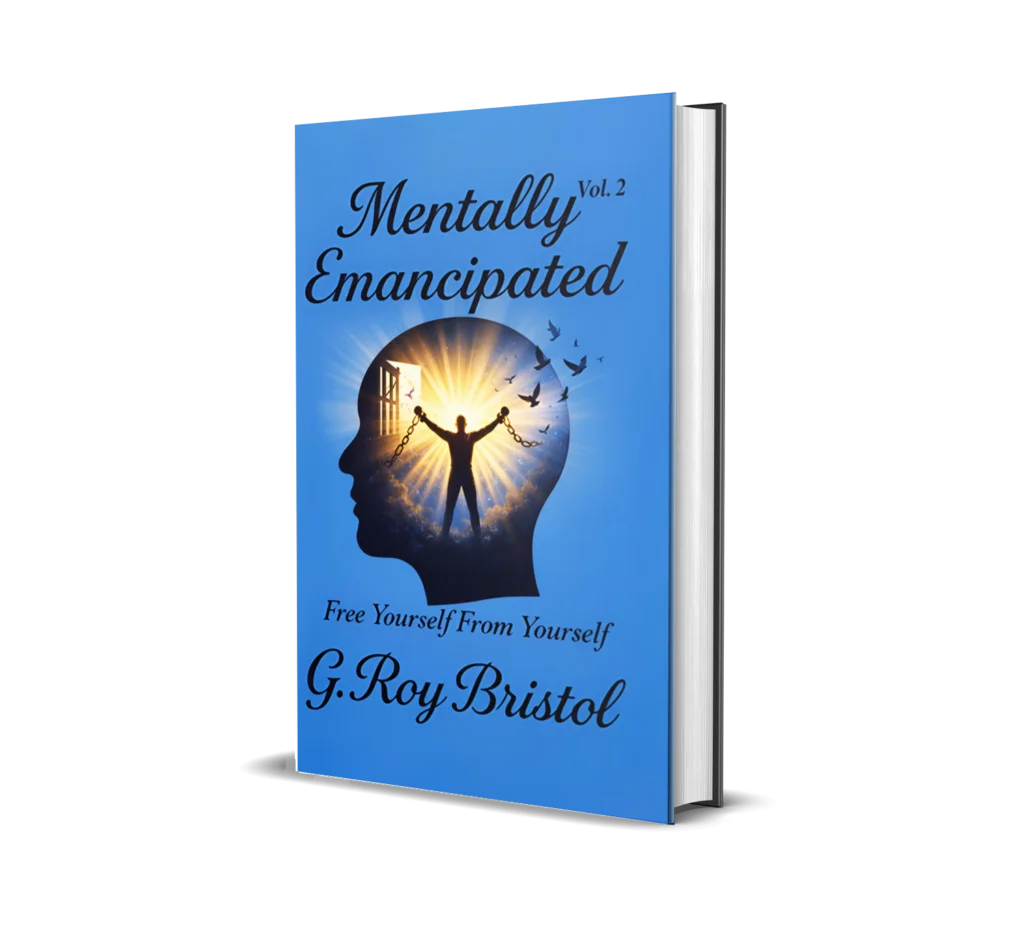

Have you ever felt trapped by your own thoughts? Does an invisible force shape your decisions, beliefs, and daily actions without your conscious awareness?
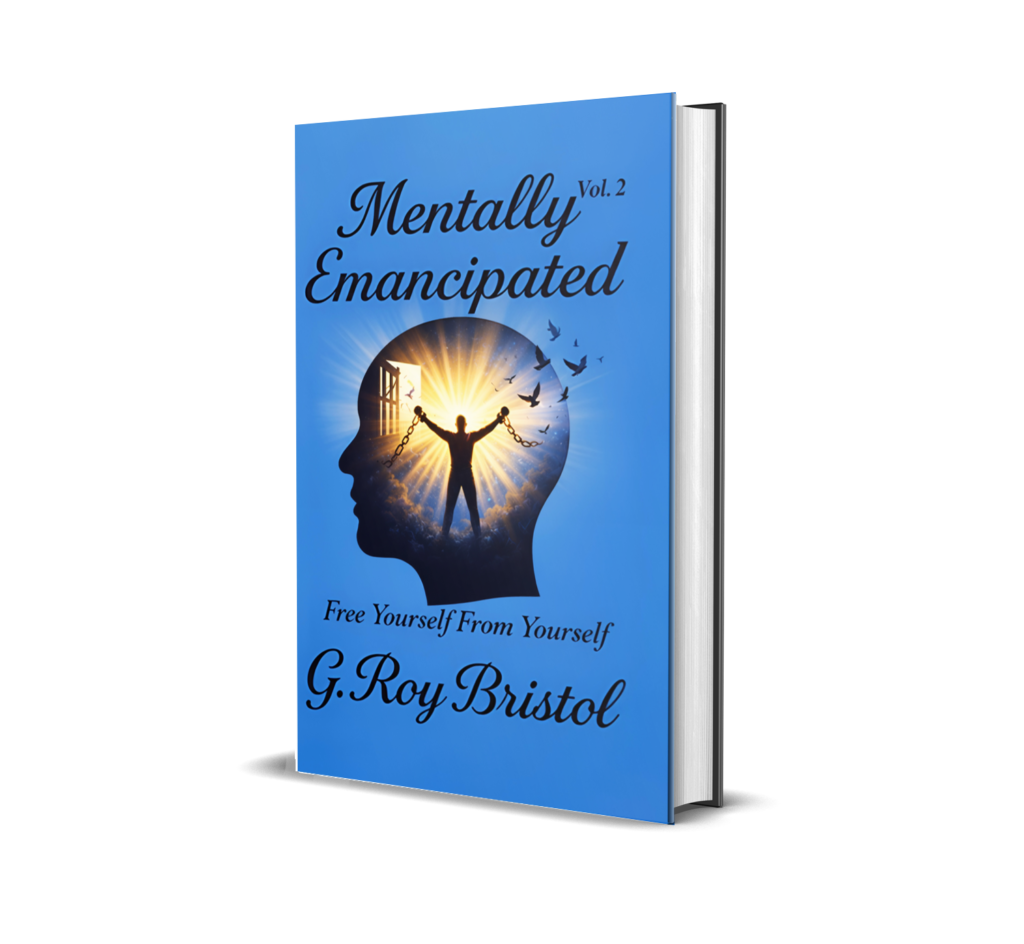
G. Roy Bristol's thought-provoking work "Mentally Incarcerated: The Insanity of Humanity" tackles one of the most uncomfortable truths about modern existence: we might not be as free as we think.
The Prison Without Walls
Drawing from twenty years of psychotherapy practice, Bristol introduces readers to a concept that challenges everything we believe about personal freedom. Mental incarceration isn't dramatic or obvious. It doesn't announce itself through external chains or locked doors. Instead, it operates quietly through inherited beliefs, unexamined assumptions, and socially constructed boundaries that feel so natural we mistake them for truth.
Think about the last major decision you made. Was it truly yours? Or did invisible influences, such as family expectations, cultural norms, and fear of judgment, play a more significant role than you realized?
When Choice Doesn't Equal Freedom
One of Bristol's most striking observations centers on the illusion of choice. Modern society offers endless options: where to work, what to believe, how to live. We scroll through countless possibilities daily and call it freedom. But Bristol poses a difficult question: what if we're simply choosing from a pre-approved menu we never created?
Consider Sarah, a composite of experiences many readers might recognize. She pursued a prestigious career because "success" demanded it, bought a home because that's what adults do, and filled her schedule with activities that looked impressive on paper. Yet beneath the surface of achievement lay persistent anxiety and a nagging sense that something fundamental was missing.
Bristol doesn't judge this pattern. He examines it. His work reveals how deeply we internalize external expectations until they become indistinguishable from personal desires.
The Cost of Comfort
What keeps us mentally confined? Bristol identifies several powerful forces: fear of isolation, need for belonging, and the overwhelming comfort of certainty. These aren't character flaws; they're human survival mechanisms. But when left unchecked, they transform into invisible guards of our own mental prisons.
The book explores how questioning foundational beliefs threatens psychological stability. It's easier to remain comfortable than to face the unsettling reality that many convictions we hold dear might be borrowed, not chosen. This discomfort explains why true self-examination remains rare, even among educated and aware individuals.
Beyond Awareness Alone
Here's where Bristol's approach differs from typical self-help narratives. He doesn't offer comfortable reassurance or easy solutions. Awareness, he argues, isn't enough. Recognizing a mental prison doesn't automatically dismantle it.
Many readers discover they've been using intellectual understanding as armor a way to feel enlightened without actually changing behavior. Bristol challenges this pattern directly. Freedom requires active participation, ongoing discipline, and the courage to exist without the protection of rigid identity.
Why This Book Matters Now
In an age of information overload and constant stimulation, Bristol's work cuts through the noise. He examines how busyness serves as a distraction, how social media validates surface-level engagement, and how performative disagreement masks shared underlying assumptions.
The book doesn't promise liberation or promote a particular ideology. Instead, it invites readers to examine the architecture of their own thinking. This approach can feel destabilizing. Bristol considers that discomfort is diagnostic rather than problematic.
Who Should Read This
"Mentally Incarcerated" speaks to anyone who's sensed something missing beneath life's surface achievements. It resonates with professionals feeling successful yet unfulfilled, individuals questioning inherited beliefs, and those brave enough to sit with uncomfortable truths.
This isn't light reading. Bristol assumes readers possess the capacity for responsibility and reflection. He doesn't seek to rescue or reassure. His goal is clarity; what readers do with that clarity remains their personal decision.
The Challenge Ahead
Bristol's central thesis proves both unsettling and liberating: freedom begins where certainty ends. This means embracing ambiguity, accepting responsibility, and practicing awareness in the presence of fear and social pressure.
The doors of mental prisons remain open, Bristol suggests. What keeps individuals inside isn't force but familiarity and the fear of what stepping out might require.
Taking the First Step
For readers willing to examine rather than defend their beliefs, "Mentally Incarcerated" serves as a powerful mirror. Not all mirrors are flattering, but some prove necessary for genuine growth.
The book challenges us to distinguish between functioning and freedom, between knowledge and wisdom, between reacting unconsciously and choosing consciously. These distinctions matter more than ever in a world that mistakes busyness for purpose and information for understanding.
Are you ready to question the invisible boundaries shaping your life? Bristol's work won't provide easy answers, but it might help you start asking the right questions.
Have you ever felt confined by invisible expectations or inherited beliefs? Share your thoughts in the comments below.










.webp)