Sign up with Google
 Sign in with Zoho

Why a Site Visit Can Make or Break Your Decision
Photos and brochures are made to look perfect. A site visit shows the truth. Yet many buyers go to a site, listen to a presentation, take a quick walk and return home with more confusion than clarity.
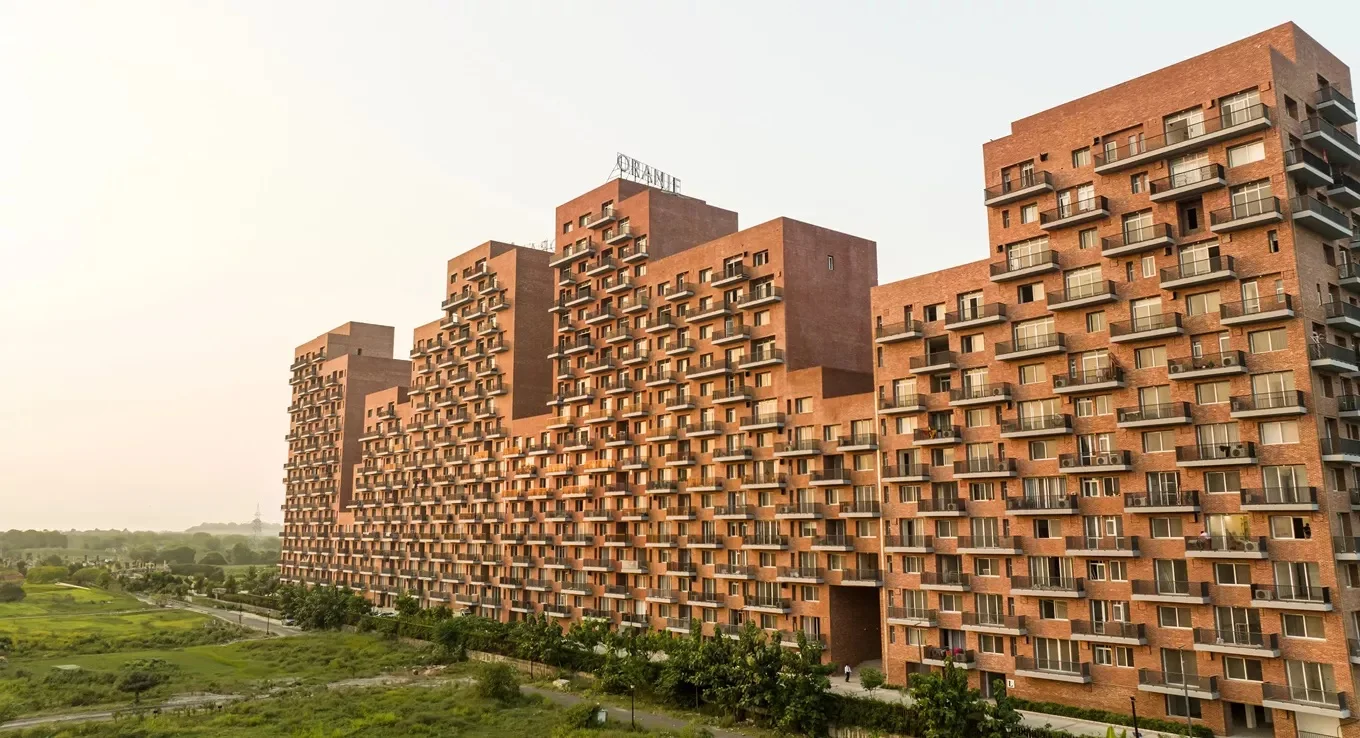
The fix is to go prepared. This blog gives you a step-by-step checklist you can carry in your phone. It works for any large residential project, and we will use Oranje Castle Apartments Lucknow in Gomti Nagar Extension as a running example, since it is a project many buyers are currently researching.
Before You Leave Home
A good visit starts with a little homework. Do these things first:
- Write down your budget range and your maximum comfortable EMI.
- Decide how many bedrooms your family really needs.
- List your must-haves, such as a study room, a balcony or a parking space.
- Note the places you travel to most: office, school, hospital and relatives’ homes.
Also read the basic project details in advance. For this project, the developer shares that Suvaj / Infraventures Pvt. Ltd. is building 416 units across 16 towers of 17 floors on 7.2 acres, with 3 BHK, 4 BHK and 5 BHK options. Knowing this saves time and helps you ask better questions.
Checkpoint 1: The Approach Road and Surroundings
Start your visit from the main road, not from the sales office. See how easy it is to reach the gate. Notice the traffic, the noise and the condition of nearby roads.
Gomti Nagar Extension is connected to Shaheed Path, and landmarks such as Ekana Cricket Stadium and Gomti Nagar Club are in the region. Schools, hospitals and the airport are also mentioned among the connectivity points. Instead of trusting these names, test them. Drive to a school and a hospital and note the time taken.
Checkpoint 2: The Entrance and Common Areas
First impressions matter, but look past the decoration. Ask yourself:
- Is the entrance wide enough for two cars to pass?
- Is there a separate path for people who walk?
- Where do visitors park?
- Are the common areas planned in a way that will stay useful, not just look good?
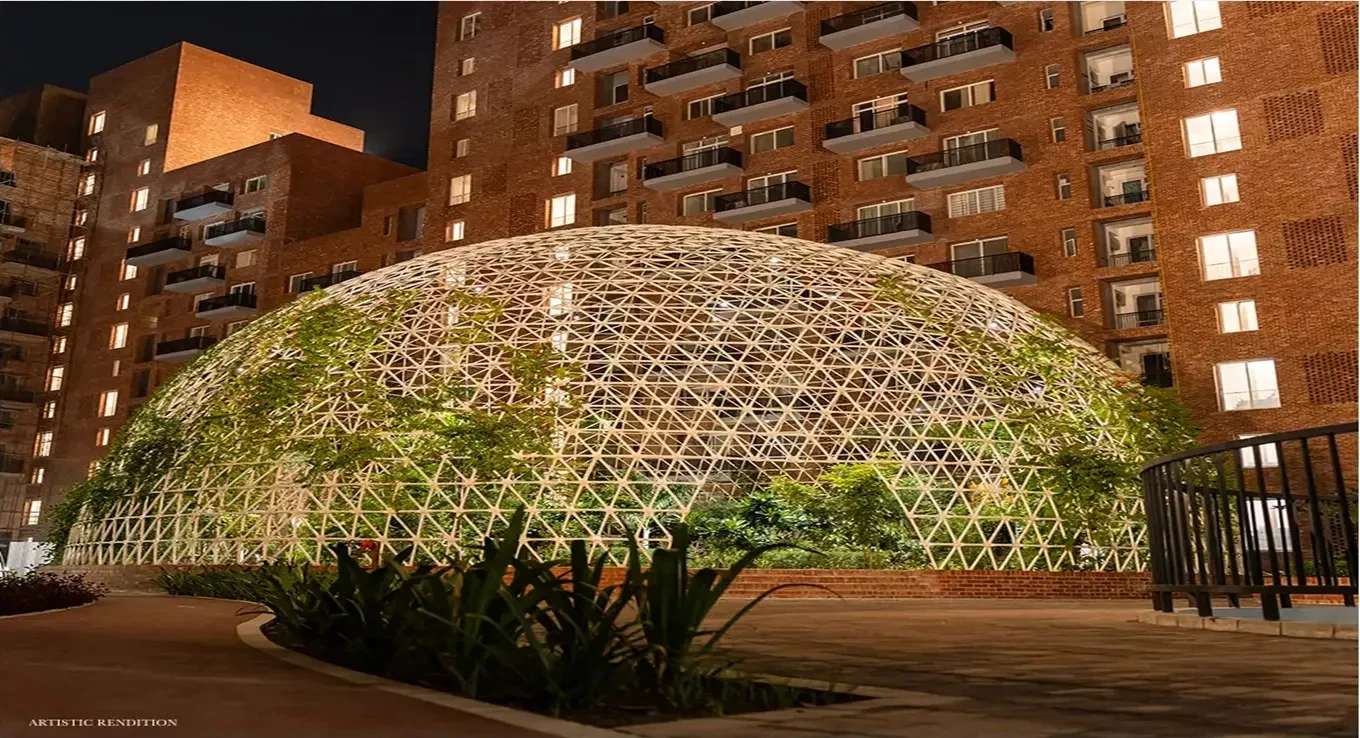
The project follows a European castle lifestyle theme, so also notice how that theme is carried out in the gate, lobby and landscaping. A theme should add to your life, not just to the photos.
Checkpoint 3: The Tower and Lift Area
This is the part buyers forget. A tower with good lifts and a clean lobby makes daily life smoother.
With 416 homes in 16 towers, the average comes to 26 homes per tower. That is a simple calculation, and it is useful because fewer homes per tower can reduce waiting time at lifts. But please count the lifts yourself and ask how many apartments share each floor. Also ask whether there is a separate service lift and where the fire exits are.
Checkpoint 4: The Apartment Itself
If a sample flat is available, spend most of your time here. Check these things:
- Layout: Does the plan make sense for your furniture and routine?
- Light and air: Open windows and check the cross-ventilation.
- Room sizes: Stand in each bedroom and imagine a bed and wardrobe.
- Kitchen: Is there space for appliances and storage?
- Balcony: Is it usable, or just a narrow strip?
- Ceiling height and finishing: Look at corners, door frames and fittings.
Ask for the carpet area, not only the super area. When you enquire about a flat in Oranje Castle or any other project, the carpet area tells you the real living space.
Keep in mind that a sample flat may be furnished beautifully. Ask what comes with the apartment and what is only for display.
Checkpoint 5: Open Space and Amenities
The land is 7.2 acres, or about 29,100 sq. m. Ask to see the site plan and find where the parks, walking tracks and play areas are placed. Check whether they are close to every tower or only to a few.
Also ask which amenities will be ready at the time of possession. It is common for some facilities to come later, so get the answer in writing.
Checkpoint 6: The Money Side
Never leave the site without understanding the full cost. Ask for a written sheet that includes:
- Base price
- Parking charges
- Club membership
- Maintenance deposit and monthly maintenance
- Taxes
- Stamp duty and registration
Ask how the payment plan is linked to construction stages. If you plan to take a loan, talk to your bank early to learn what they require for project approval.
We have not quoted prices or dates here because they change often. Please get current numbers directly from the developer.
Checkpoint 7: The Paperwork
Before paying a token amount, complete this list:
- Confirm the registration on the UP RERA website.
- Ask for the sanctioned plan and title documents.
- Let a property lawyer read the builder-buyer agreement.
- Check the clauses on delay, cancellation and refund.
- Keep copies of every document and receipt.
This takes a few days, but it protects a very large investment.
Checkpoint 8: Talk to People
If you can, speak to people living in other projects by the same developer. Ask about maintenance, quality and how the developer responds to problems. Real experiences are worth more than any brochure.
After the Visit: Make Your Notes
Sit down the same day and write what you liked and what worried you. Rate the project on location, layout, price, open space and paperwork. Do this for at least three projects. A simple comparison sheet often makes the best choice obvious.
Final Thoughts
A site visit is not a formality. It is your chance to see what you are really buying. Go prepared, ask clear questions, take notes and never rush.
Frequently Asked Questions
1. How many times should I visit a project before buying?
At least twice, ideally at different times of the day, such as a weekday morning and a weekend evening.
2. What should I carry to a site visit?
Carry a notebook or phone notes, your budget, a list of questions and a measuring tape if you want to check room sizes.
3. Which connectivity points should I test in Gomti Nagar Extension?
Test the route to Shaheed Path, Ekana Cricket Stadium, Gomti Nagar Club, schools, hospitals and the airport at your usual travel times.
4. What is the difference between carpet area and super area?
Carpet area is the usable space inside the walls. Super area includes your share of common areas such as lobbies and stairs.
5. Which documents are most important to verify?
The RERA registration, sanctioned plan, land title, builder-buyer agreement and a written cost sheet.