Sign up with Google
 Sign in with Zoho

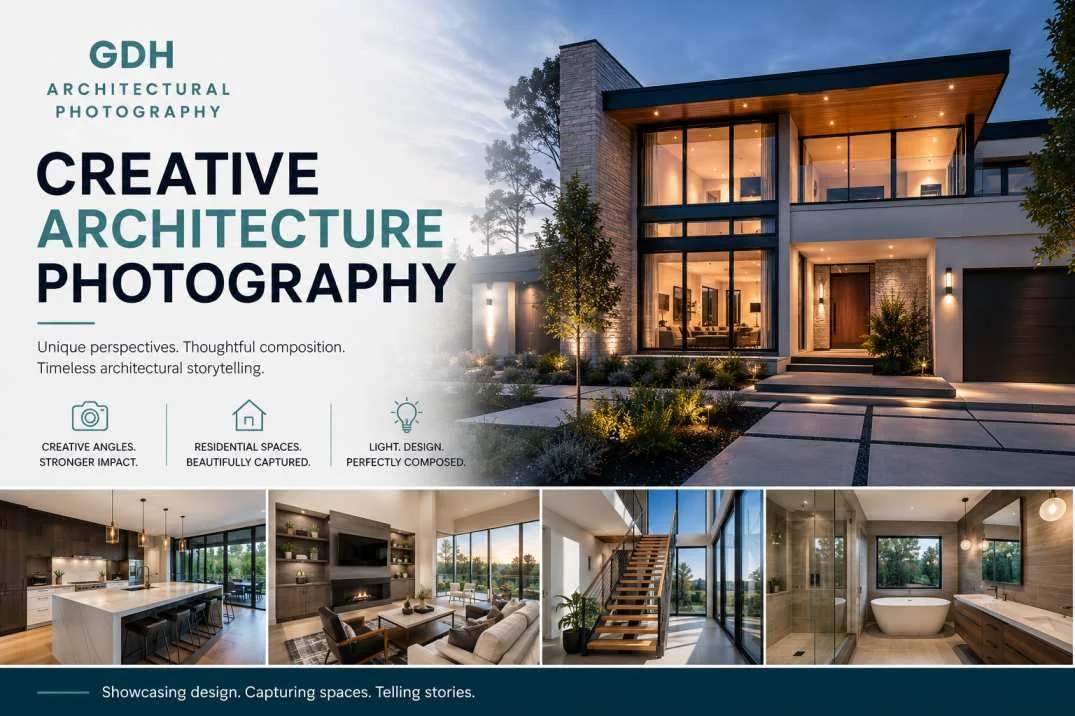
Creative Architecture Photography: Turning Buildings Into Visual Art
A building can be beautifully designed, expertly constructed, and packed with incredible details. Yet if it's photographed poorly, most people will never appreciate what makes it special.
That's where creative architecture photography comes in.
Here’s the thing: architecture photography isn't just about documenting a structure. It's about revealing personality, mood, and design intent. A great photograph can make someone stop scrolling, study a project, and genuinely connect with the space.
I've worked with architects, designers, and property owners who spent years perfecting a project, only to realize they needed equally impressive photography to showcase their work. The reality is simple. Great design deserves great images.
Whether you're an architect building a portfolio, a homeowner showcasing a custom residence, or a designer looking to stand out online, creative architectural photography can completely change how your projects are perceived.
What Is Creative Architecture Photography?
At its core, creative architecture photography combines technical precision with artistic vision.
Traditional architectural photography focuses on accurately documenting buildings and spaces. Creative architectural photography goes a step further by finding unique ways to tell a visual story.
Instead of simply showing a building, the photographer captures how it interacts with light, shadow, landscape, and the people who experience it.
The goal is to create images that feel memorable rather than merely informative.
Think about the difference between reading a blueprint and walking through a finished home. Both provide information, but one creates an emotional response.
Creative photography aims for that emotional connection.
Why Creativity Matters in Architectural Photography
Many buildings look impressive in person.
Not all of them look impressive in photographs.
The camera doesn't automatically see what the human eye sees.
A professional photographer must make deliberate decisions about composition, perspective, timing, and lighting.
Sometimes the most effective image isn't the obvious one.
A reflection in a glass facade.
A dramatic shadow crossing a concrete wall.
A staircase framed through an open doorway.
These small creative choices often become the images people remember most.
I've seen portfolio images generate more client interest than entire project descriptions. That's the power of visual storytelling.
How Light Shapes Architectural Photography
If architecture provides the structure, light provides the emotion.
One of the biggest differences between average photography and exceptional photography is understanding how light transforms a space.
Natural light changes constantly throughout the day.
Morning light creates softness.
Midday light produces strong contrast.
Evening light often adds warmth and depth.
Many photographers spend hours waiting for the perfect lighting conditions because timing can completely alter the final image.
Sometimes patience is the most valuable piece of equipment on a shoot.
Creative Architecture Photography for Interior Spaces
Interior photography presents a unique set of challenges.
Bright windows, dark corners, reflective surfaces, and mixed lighting can quickly turn a beautiful room into a technical nightmare.
That's why expertise in architecture photography interior work is so important.
Professional photographers use advanced techniques to balance exposure while preserving the natural character of the space.
The best interior images feel effortless, even though they often require significant planning and precision behind the scenes.
Interior Details Worth Highlighting
Creative interior photography often focuses on:
- Material textures
- Custom cabinetry
- Lighting fixtures
- Staircase design
- Built-in architectural elements
- Furniture arrangement
- Natural light flow
These details may seem small individually, but together they tell the story of a space.
Residential Architectural Photography Requires a Different Approach
Photographing homes is different from photographing commercial buildings.
People experience residential spaces emotionally.
A home isn't just a structure. It's where people gather, relax, and create memories.
That's why residential architectural photography often emphasizes warmth, comfort, and livability while still showcasing design excellence.
For example, a photograph of a living room shouldn't simply display furniture placement.
It should communicate how the space feels during a quiet evening or a family gathering.
Those subtle emotional cues help viewers connect with the design.
Finding Unique Perspectives
One of the biggest mistakes photographers make is shooting every project from eye level.
Interesting architecture deserves interesting perspectives.
Creative photographers constantly search for angles that reveal something unexpected.
Sometimes that means:
- Shooting from above
- Using foreground elements
- Capturing reflections
- Framing through windows or doorways
- Emphasizing symmetry
- Highlighting geometric patterns
The objective isn't to be flashy.
The objective is to reveal something viewers might otherwise overlook.
Why Local Knowledge Matters
Photography isn't only about cameras.
It's also about understanding locations.
An experienced university place photographer knows how local weather, landscape, and lighting conditions influence a project.
Certain buildings photograph better at specific times of day.
Seasonal changes can dramatically affect exterior images.
Local knowledge helps photographers anticipate these variables and plan accordingly.
Those small advantages often result in stronger final images.
How Creative Photography Benefits Architects and Designers
Architects and designers invest significant time and effort into every project.
Professional photography helps ensure that investment continues working long after construction is complete.
High-quality images can help:
- Strengthen portfolios
- Improve website engagement
- Support marketing campaigns
- Increase social media visibility
- Attract ideal clients
- Document completed projects
The truth is, many potential clients will see your photography before they ever speak with you.
Those images often shape their first impression.
GDH Architects and the Value of Visual Storytelling
At GDH Architects, visual presentation plays an important role in communicating design excellence.
Every project contains details that deserve attention—from carefully selected materials to thoughtful spatial planning.
Creative photography helps preserve those details while showcasing the architect's original vision.
The result isn't simply a collection of photographs.
It's a visual story that reflects the creativity, craftsmanship, and purpose behind the project.
Final Thoughts
Great architecture is about more than walls, roofs, and floor plans. It's about creating experiences, solving problems, and shaping how people interact with their surroundings.
That's exactly why creative architecture photography matters.
When done well, it transforms buildings into compelling visual stories that inspire, engage, and leave lasting impressions. Whether you're showcasing a luxury residence, documenting an interior design project, or building a professional portfolio, investing in creative architectural photography ensures your work receives the attention it deserves.